Why a Nearby Signal Can Displace a Television Broadcast
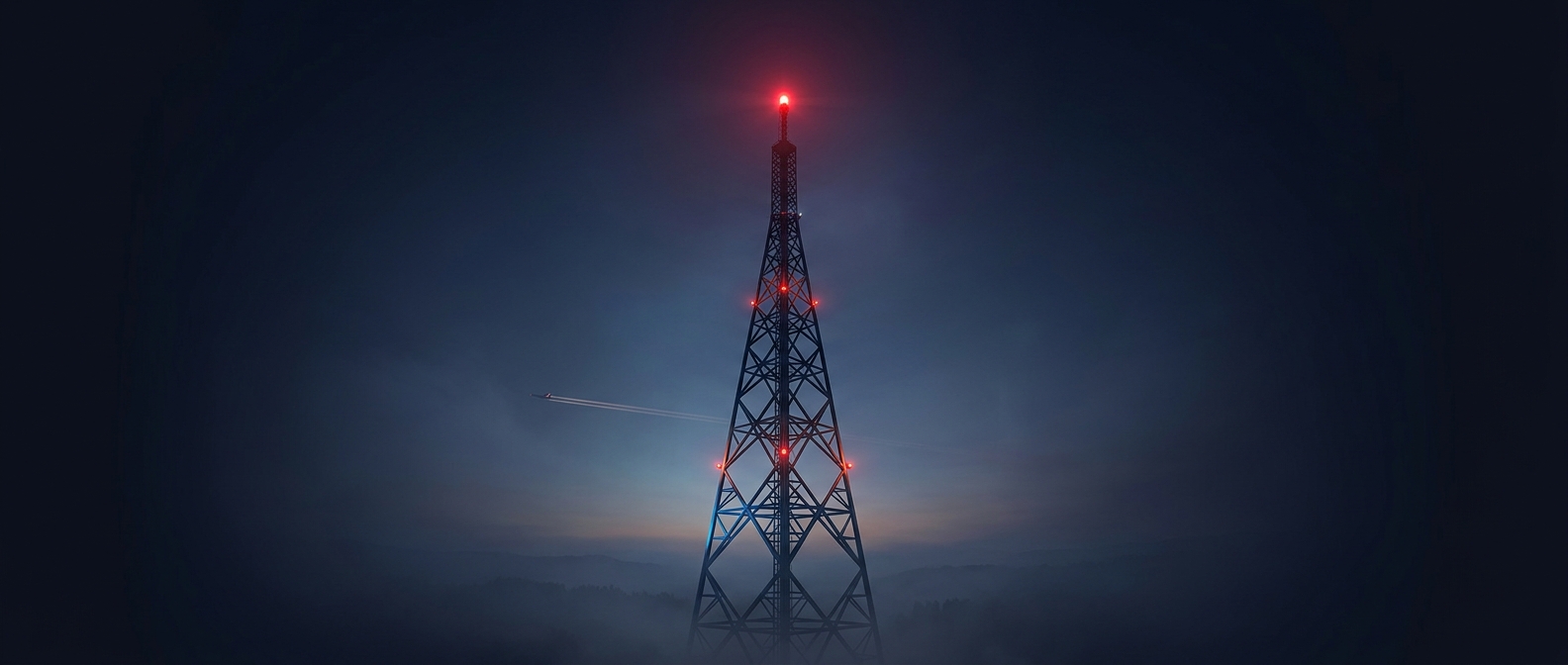
A television receiver does not identify a station by checking who owns the program. It tunes to a channel and tries to decode the radio signal arriving on that frequency. If an unauthorized transmission reaches the receiver more strongly than the licensed station, it can interfere with reception; in some circumstances, the receiver may display the rogue content instead. The effect depends on the broadcast system and the relative strength and quality of the signals. With digital television, interference may instead make the picture break up or disappear.
The Transmitter Is Only One Part of the Problem
Broadcast signals travel through shared airspace, so a transmitter’s impact depends on where it is, how its signal propagates, and which receivers it reaches. A disruption near a particular location may affect only some viewers, while a transmission that reaches more receivers can create a broader interruption. Replacing a station’s programming is therefore not simply a matter of choosing a channel: the unauthorized signal must reach receivers in a way that defeats the legitimate broadcast.
Why Authorities Treat It as More Than a Prank
Licensed frequencies are coordinated so broadcasters can serve audiences without continually overpowering one another. Unauthorized transmissions can disrupt that arrangement and interfere with communications beyond the intended target. Federal penalties reflect the fact that radio spectrum is regulated infrastructure, not an open platform for broadcasting. A brief interruption can be memorable on screen, but its real consequence is that viewers lose access to the station’s intended signal—and, potentially, to information being carried at that moment.