How ashes become a keepsake diamond
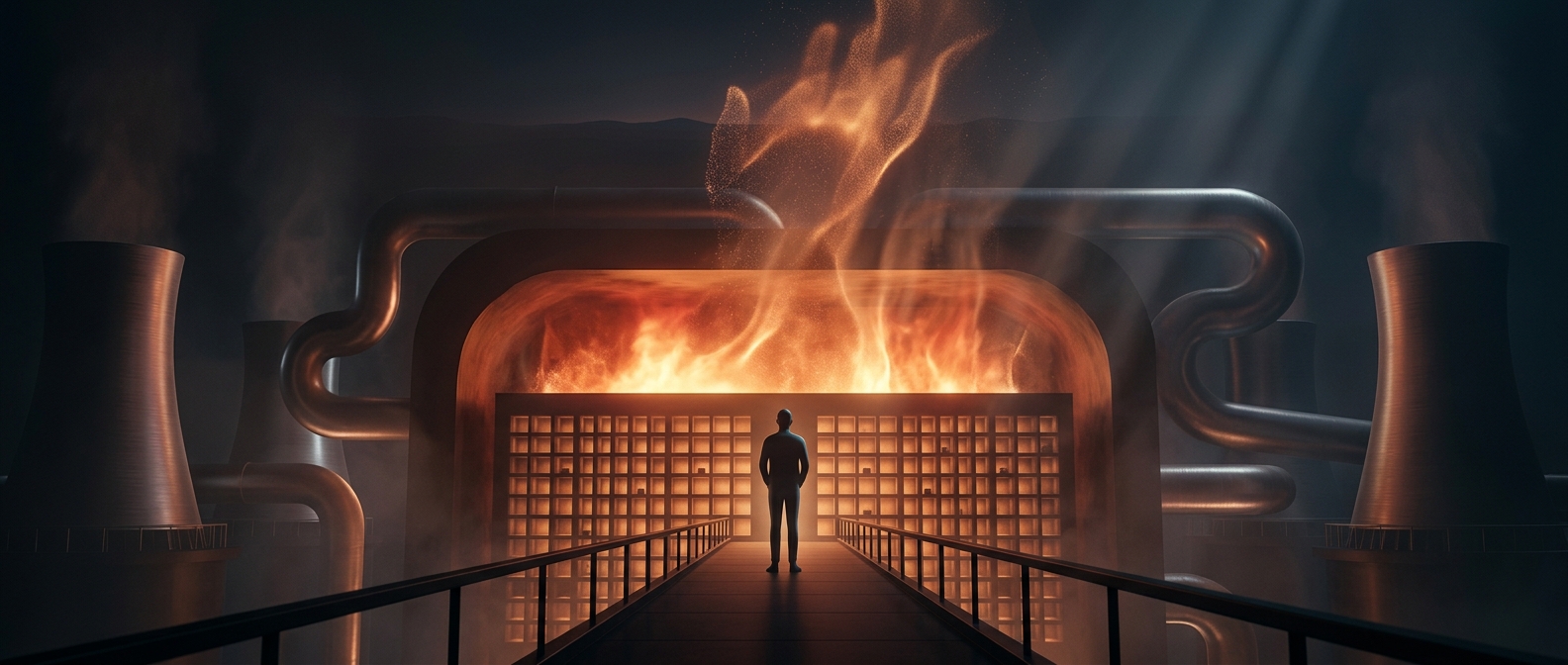
A memorial diamond begins with a practical challenge: cremation leaves very little carbon in the ashes. Much of the body’s carbon is released as gas during cremation; the remaining powder is largely mineral material. To make a diamond, a lab must separate usable carbon from the submitted remains and purify it. The carbon—not the ashes as a whole—is the raw material that can become the stone.
The purified carbon is turned into graphite, a form of carbon, then placed in a growth process designed to reproduce the conditions that form diamond. In a high-pressure, high-temperature method, pressure and heat help carbon atoms arrange into diamond’s tightly bonded crystal structure. The growing crystal can then be cut and polished like other gemstones. The process takes weeks or months, depending on the service and the stone.
A personal service with an unusual value proposition
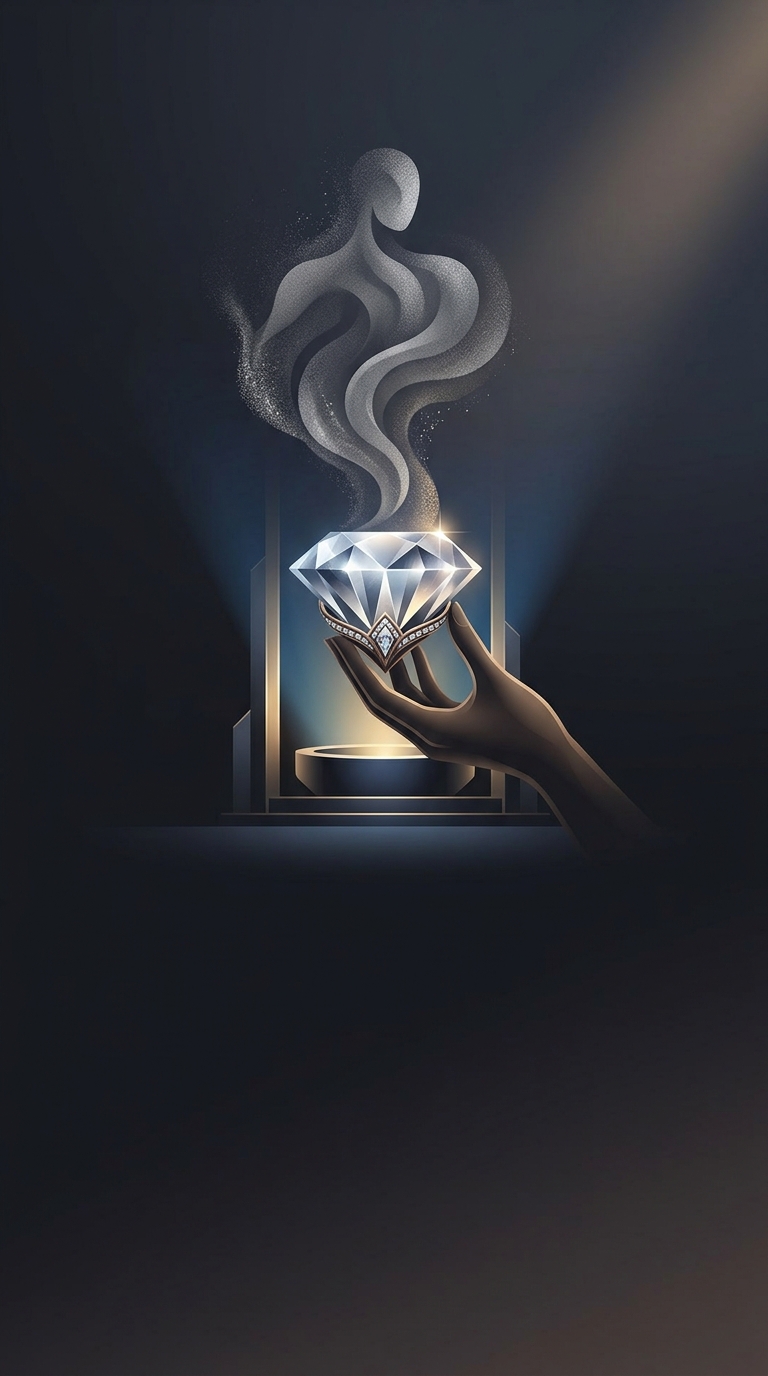
The product is not simply a gemstone. It is a way to convert a small, portable portion of a person’s remains into something a customer can keep close or pass down. That makes memorial diamonds a specialized business within the funeral industry: the sale combines laboratory work and jewelry with the emotional promise of a lasting, wearable memento.
That promise also shapes the economics. Customers are paying for a bespoke process, not just for the finished stone’s size or appearance. The service requires handling and tracking a family’s submitted material, growing a crystal, and finishing it as jewelry—steps that make it different from buying a conventional diamond. Its distinctive value lies in the claimed connection between the stone and a particular person’s remains.
The result is a keepsake that can travel where an urn cannot: on a hand, around a neck, or in a family’s jewelry box. It turns cremation’s least visible residue into a durable object with a specific story attached.