How a DNA sequence changes address
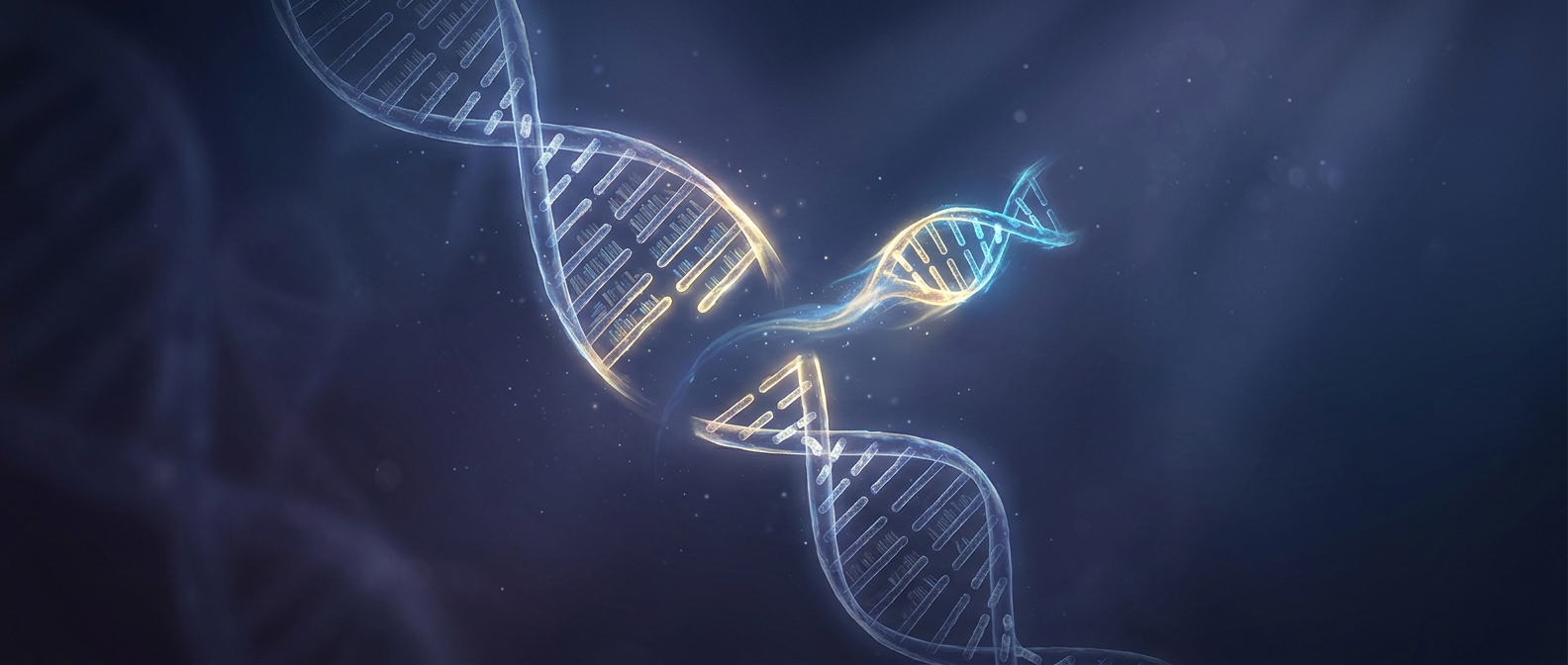
A transposon is a stretch of DNA that can move to a different site in the genome. It does not travel on its own: the cell’s molecular machinery, sometimes guided by proteins encoded by the transposon itself, carries out the copying or relocation.
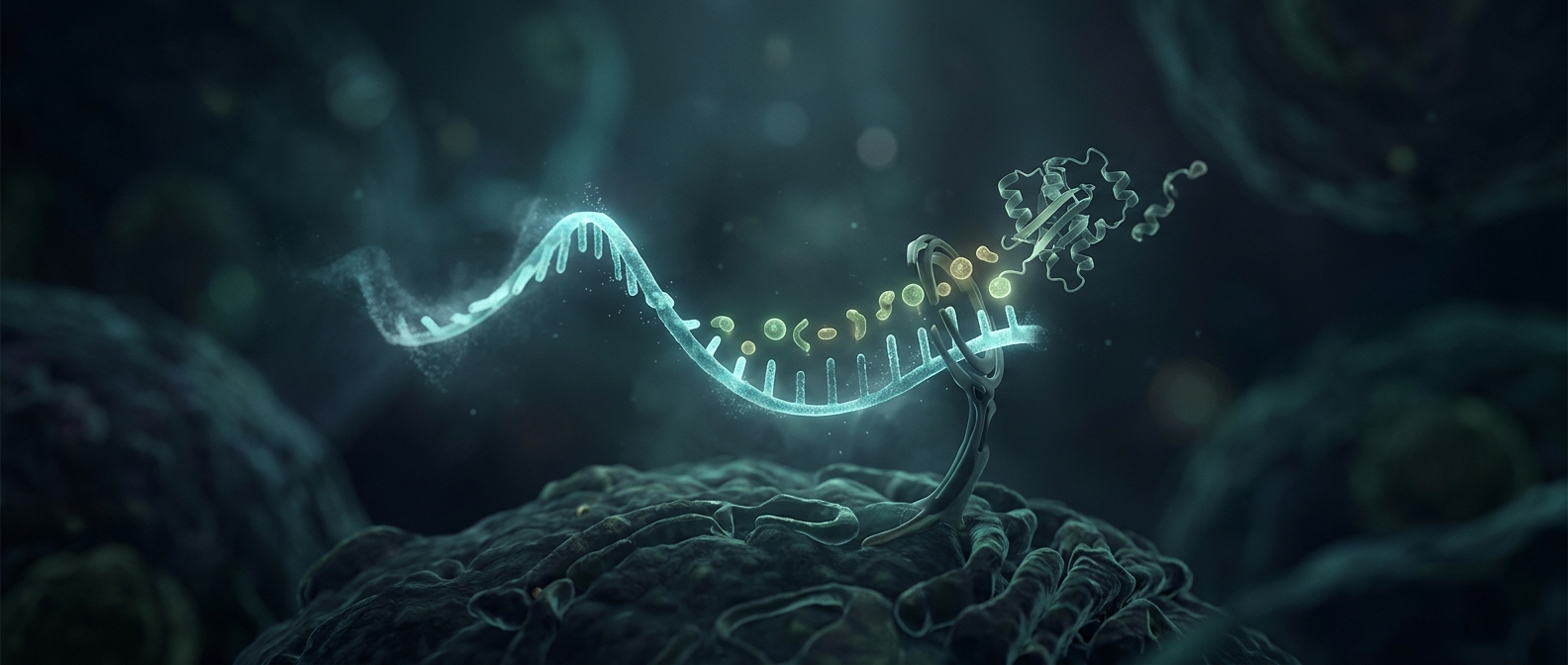
Some transposons work like copy and paste. The cell makes an RNA copy of the sequence, then converts it back into DNA and inserts it elsewhere. The original stays put, so the genome gains another copy. Other transposons can move more like cut and paste, leaving one site and inserting at another.
What changes when one lands
An insertion can interrupt a gene’s sequence, much as adding a stray word can disrupt a sentence. It can also land near a gene and alter how strongly that gene is switched on or off. The outcome depends on the insertion site and the cell’s ability to repair or regulate the affected DNA; many insertions have little noticeable effect.
Cells also have defenses that keep transposons quiet, including chemical marks on DNA that make some stretches harder to read. Those controls limit activity, but they do not make every copy immobile. Over long periods, old insertions can accumulate and become part of the inherited genome, even when they no longer move.
That leaves the genome less like a permanently fixed line than a text whose pieces can sometimes be copied, relocated, or silenced. A change in address may be harmless—or it may alter the instructions a nearby cell uses.