The Soucouyant’s Most Vulnerable Moment
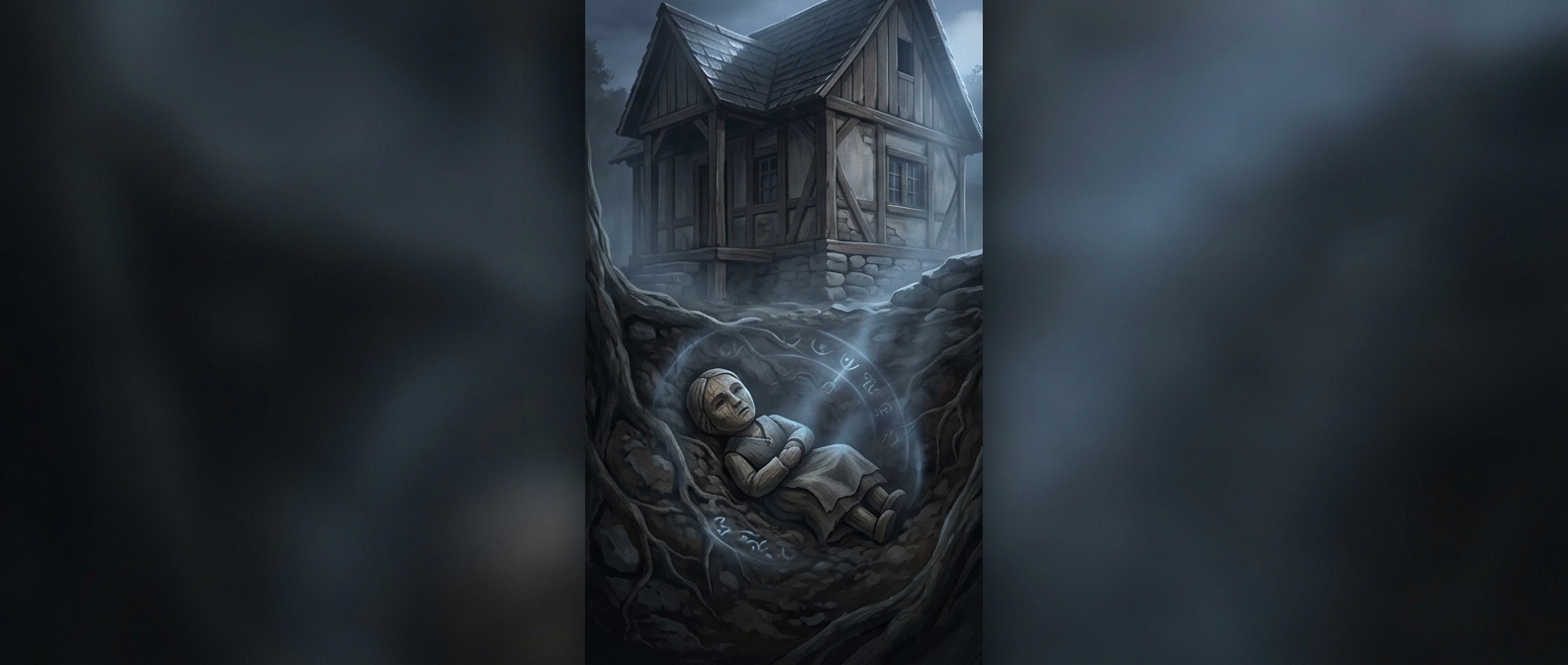
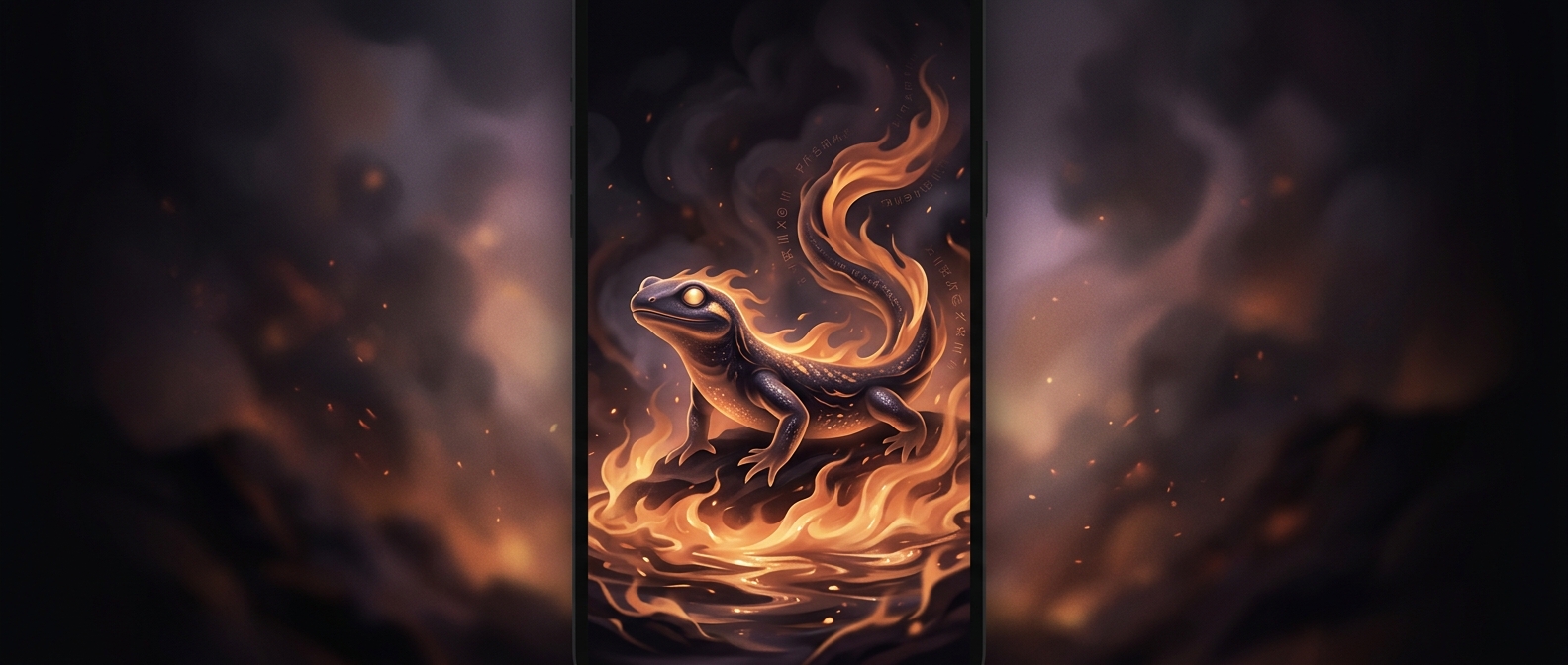
In Caribbean folklore, the soucouyant is often imagined as a woman who removes her skin at night and travels as a ball of fire. The discarded skin is more than a startling image: it gives the story a point of weakness. If someone finds and salts the empty hide, the creature may be unable to put it back on before dawn. Details vary from telling to telling, but the danger turns on the same reversal: a frightening figure can be caught while absent from her own body.
That vivid sequence makes the tale easy to remember and retell. A strange light in the night sky becomes evidence, within the story, of a hidden visitor; the skin offers a practical-sounding way to confront it. The supernatural threat is given rules, and those rules let ordinary people imagine taking action against it.
Fear, Warning, and Shared Story
Soucouyant stories belong to a wider Caribbean tradition shaped by African diasporic folklore and local storytelling. They are not one fixed account with a single authoritative version. In some tellings, the soucouyant is feared as a nocturnal predator; in others, the emphasis falls on the eerie spectacle and the cleverness of the people who know how to stop her.
Such tales can carry warnings about night, secrecy, and vulnerability without reducing to a simple lesson. Their power comes from holding fear and fascination together: the fire is beautiful to imagine, but it signals danger. And because the story gives listeners a recognizable object—the abandoned skin—to search for, the warning becomes something a community can picture, discuss, and pass on.