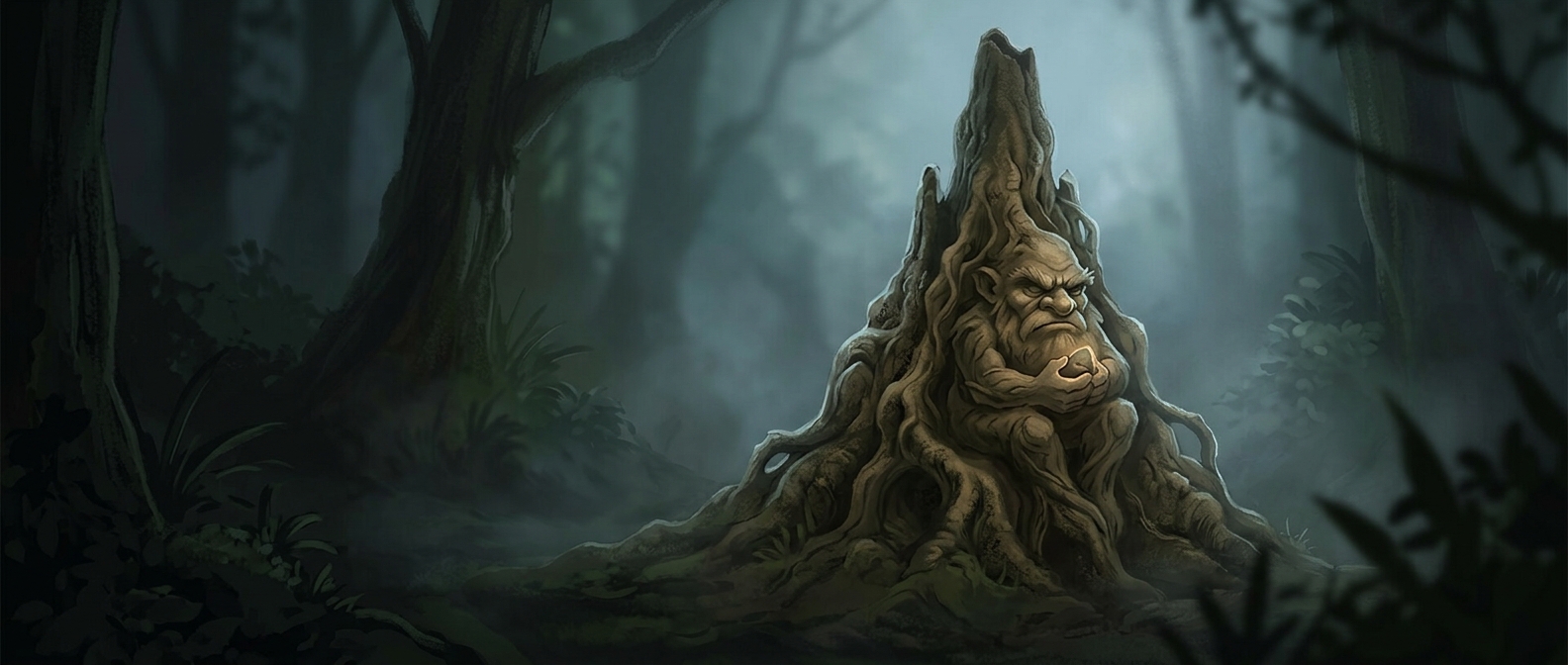
What the “old man of the mound” represents
The name nuno sa punso roughly means “old man of the mound.” In Philippine folklore, the nuno is a small, elderly spirit believed to dwell in a little mound of earth, often described as an anthill or termite mound. Stories say that disturbing its home—by stepping on it, digging it up, or otherwise damaging it—can bring illness or misfortune as a curse.
The figure is not just a tiny character in a scary tale. It gives a human presence to an ordinary patch of ground, turning careless damage into an offense against a neighbor who cannot be seen.
A warning built into everyday manners
In some communities, people traditionally say “Tabi-tabi po”—roughly, “Excuse me, please”—when passing a place where a nuno might live. The phrase treats the mound as occupied: rather than blundering through, a person acknowledges the possibility of another presence and asks leave.
That custom makes the story practical. A mound is easy to miss, especially for a child at play or someone walking through grass. A supernatural consequence makes the warning memorable, while the respectful gesture offers a simple way to avoid needless disturbance. Beliefs and practices vary, but the nuno remains a vivid reminder that even a small rise in the ground can be treated as someone else’s home.