How another person’s movement gets under your skin
You do not need to decide to copy someone for their movement to influence yours. Seeing an action can subtly activate the systems your brain uses to plan and carry out actions. If a person ahead of you speeds up, slows down, or shifts toward one side of a hallway, that visual cue can nudge your own timing and direction before you notice making an adjustment.
This is not a perfect replay of the other person’s behavior. The influence is usually small: a change in pace, posture, or gesture that blends into your own movement. Your attention, the setting, and what you are trying to do all matter. A crowded corridor may call for quick adjustments simply to avoid a collision; in a quieter encounter, the same tiny changes can feel more like matching.
Why matching can make interaction smoother
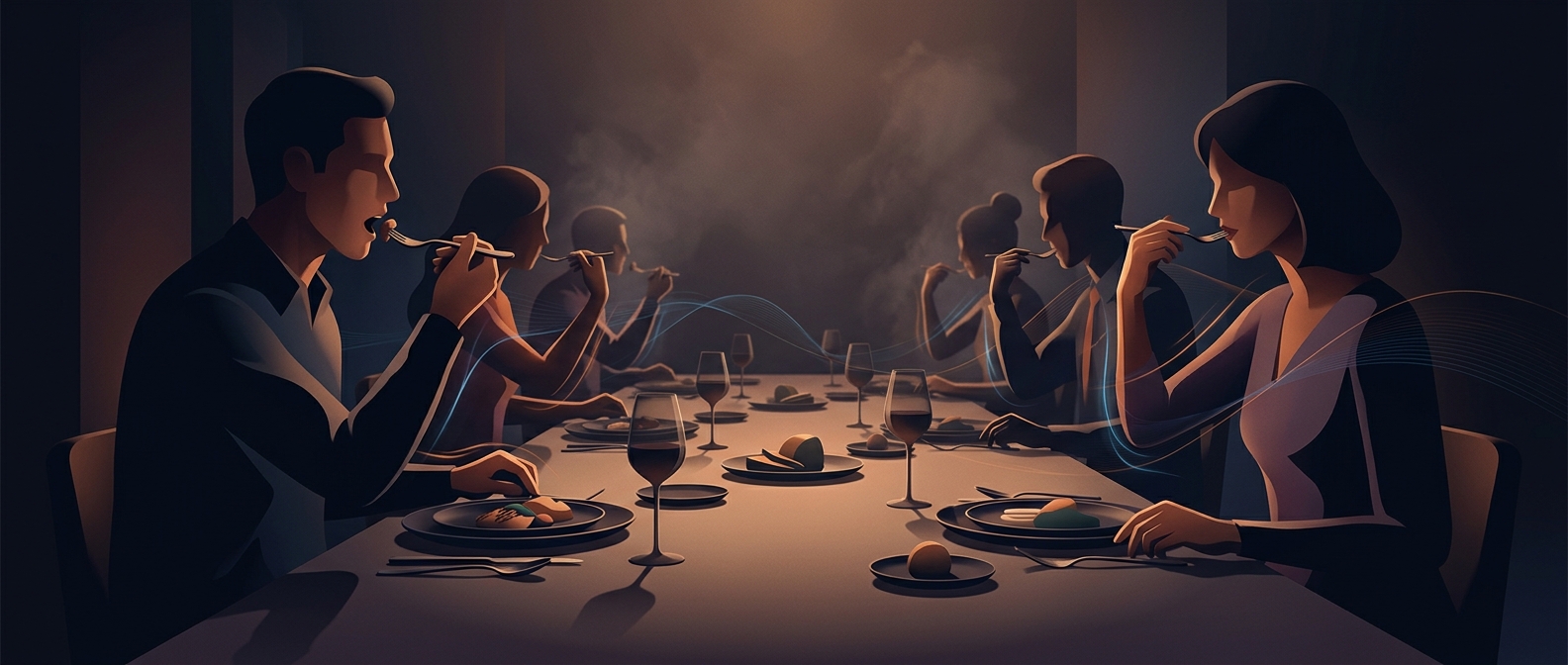
People often coordinate without negotiating each step. Walking at a similar pace makes it easier to stay side by side. Matching a conversational partner’s posture or rhythm can also help an exchange feel fluent, because each person’s behavior becomes easier to anticipate. This kind of subtle imitation can support affiliation and cooperation, though it does not prove that two people agree or even consciously like each other.
The process is flexible rather than automatic in every encounter. You are less likely to follow a movement that would interfere with your goal, and you may not mirror someone you are deliberately avoiding. The point is not that strangers become puppets of one another, but that other people’s actions are among the cues your brain uses to guide your own.
A hallway turns into a quiet feedback loop
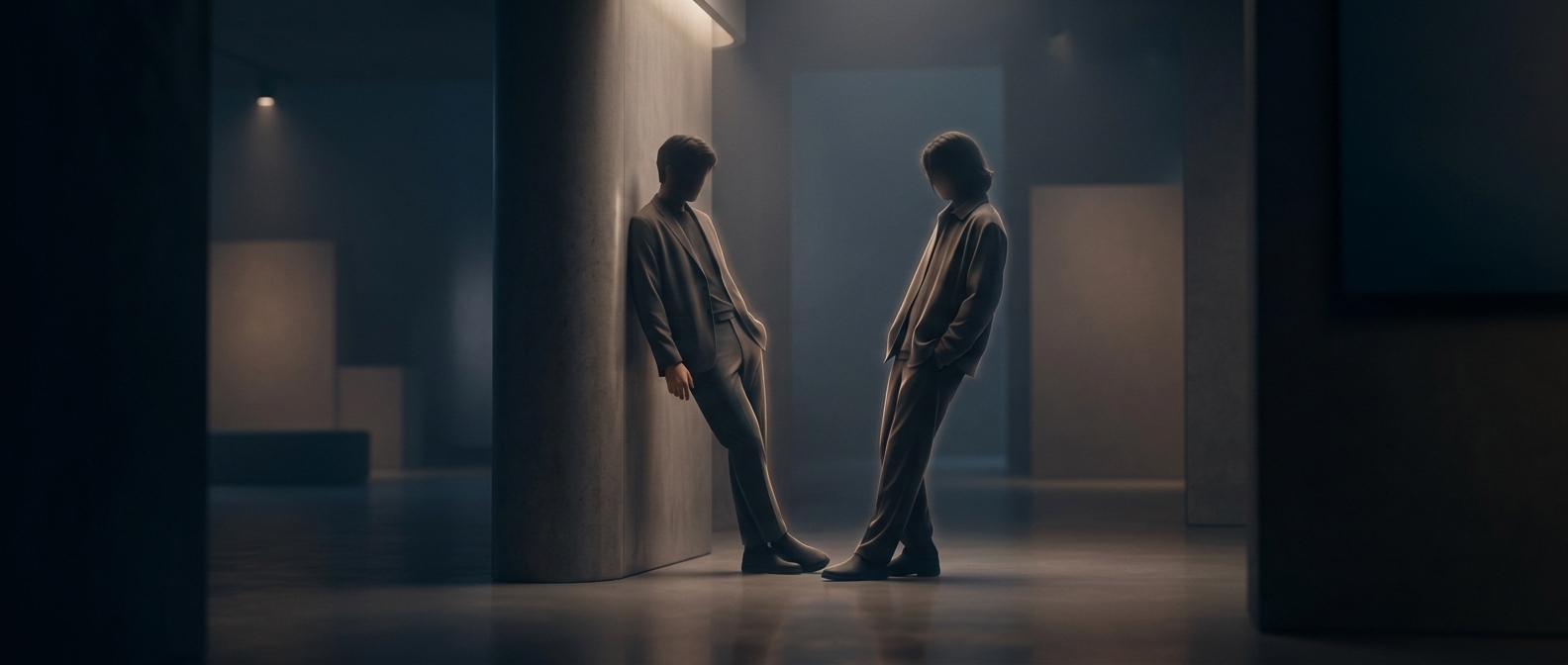
When one stranger changes pace, the other may adjust; that adjustment then becomes a new cue for the first person. Neither has to plan the exchange. For a few steps, each person is responding to a moving partner as well as to the path ahead—an everyday coordination loop that can look like a dance precisely because no one called the steps.