Why a tip can look like forgotten money
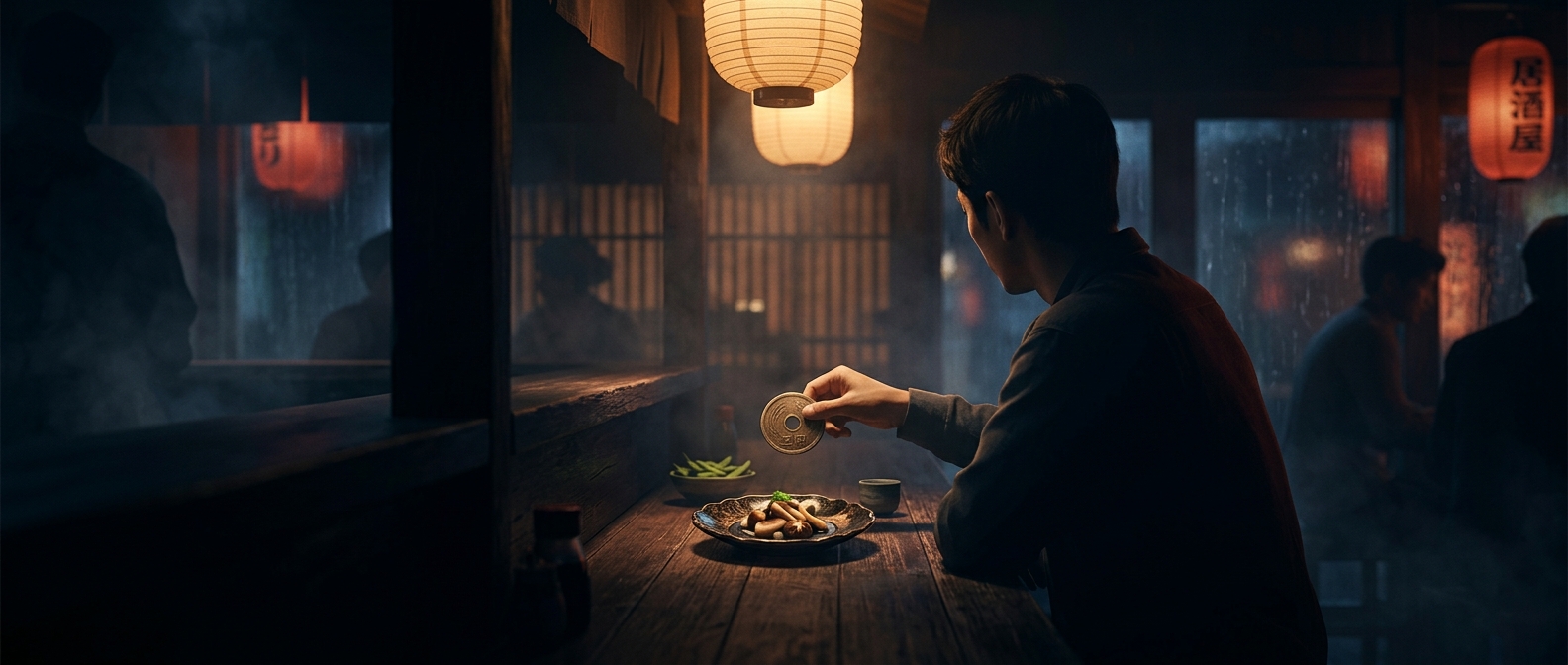
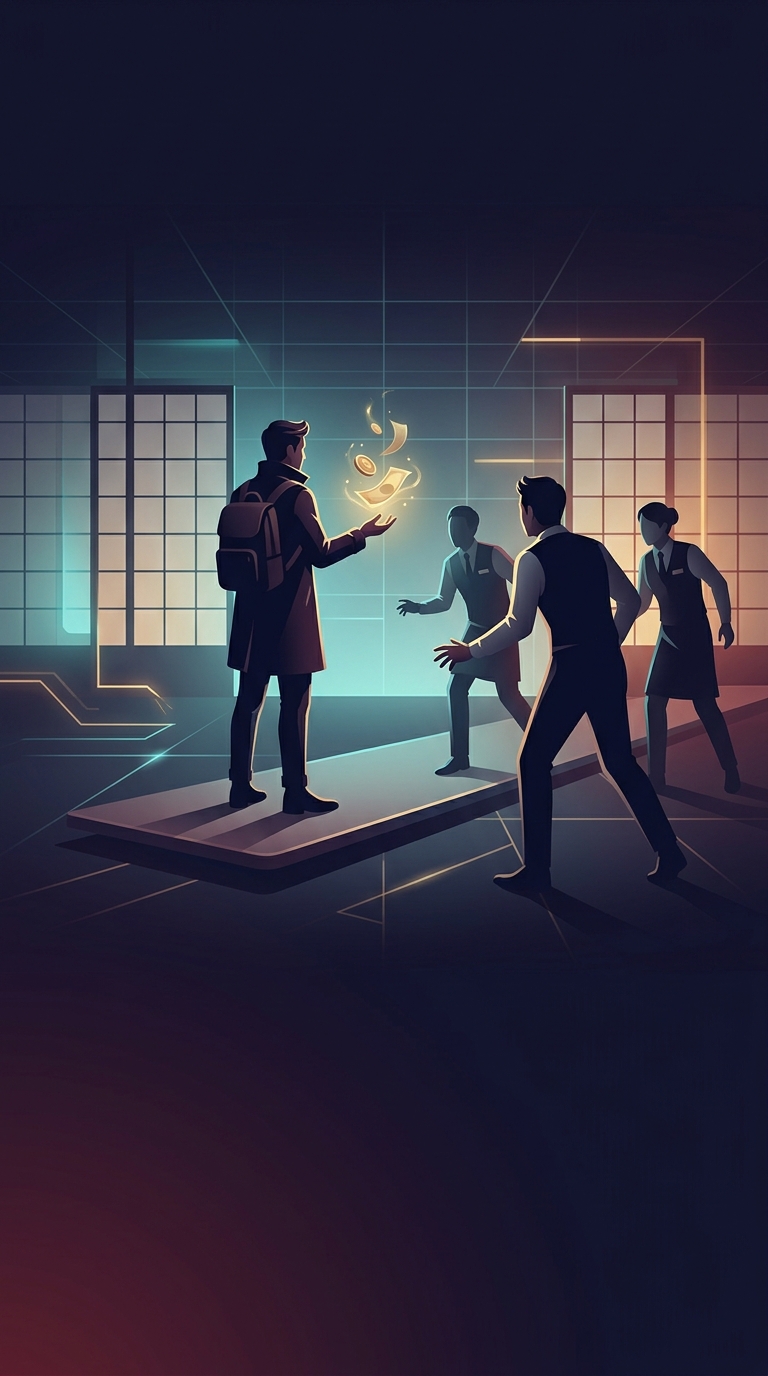
In many Japanese restaurants, the amount on the bill is the amount you are expected to pay. A separate gratuity is not ordinarily part of the routine, so cash left on the table may look less like a reward and more like money a diner accidentally forgot. Staff may call after you or follow you to return it.
That reaction reflects the restaurant’s payment routine as much as its attitude toward service. In many places, diners pay at a register, often near the entrance, rather than leaving cash on the table. When payment is handled that way, money left behind has no obvious purpose—and returning it is the safest assumption.
What to do instead
Pay the stated bill and leave without adding cash. If a restaurant has a service charge, it will generally appear as part of the bill; it is not an invitation to add another payment. Practices vary by venue, so follow any clear instructions from the restaurant. But at an ordinary restaurant, a sincere thank-you is a better way to show appreciation than a tip.
The practical lesson is simple: don’t assume a familiar payment custom travels with you. In Japan, extra cash on the table can turn a smooth departure into a small, well-intentioned retrieval mission.