How Burning Food Produces Water
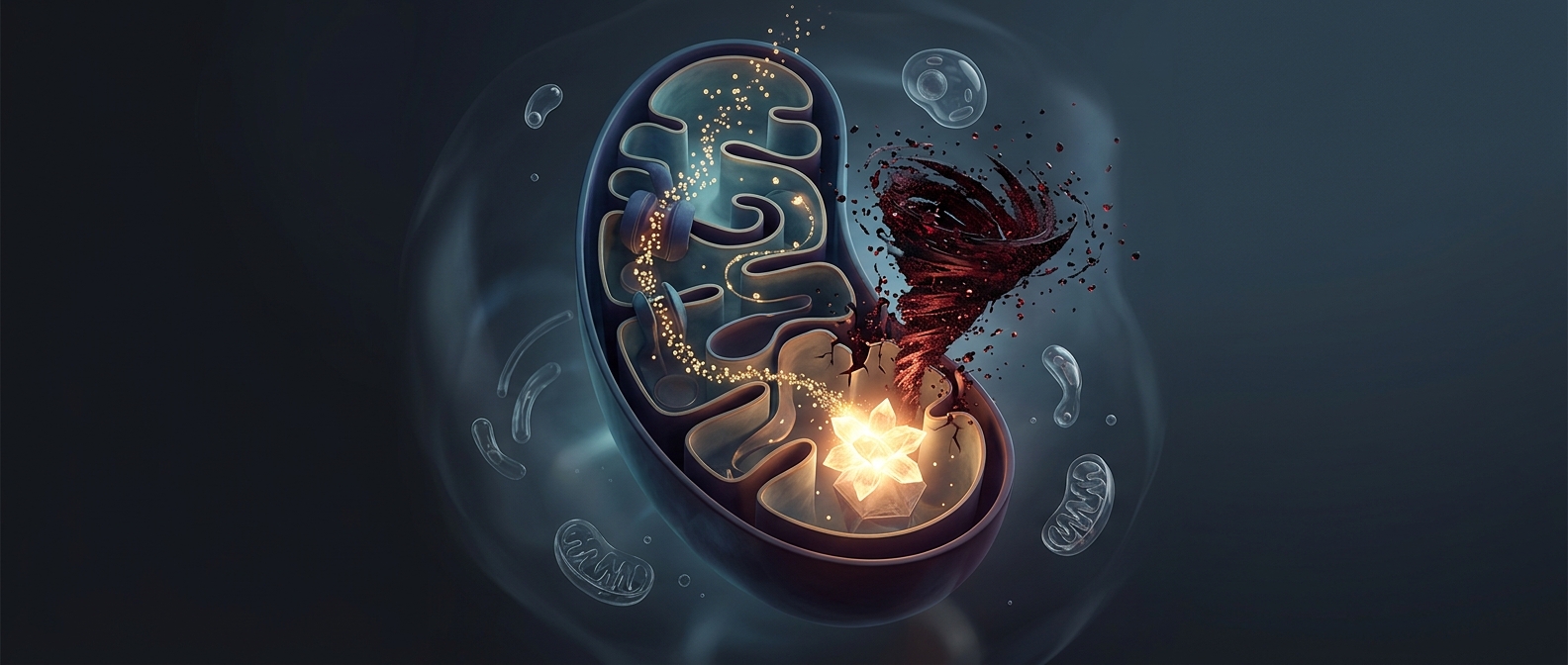
When cells extract energy from carbohydrates and fats, they gradually break those molecules apart. Their hydrogen atoms release electrons during this process. Near the end of the energy-making chain, oxygen accepts the electrons and joins with hydrogen ions—charged hydrogen atoms—to form water. This is called metabolic water: water made inside the body by chemical reactions, rather than taken in as a drink.
The process happens continuously because cells need energy even when you are sitting still. A resting body is still maintaining tissues, moving substances across cell membranes, and powering organs, so its fuel-burning reactions continue—and so does water production.
A Contribution, Not a Substitute for Drinking
Metabolic water adds to the body’s available fluid, but it does not make drinking unnecessary. The amount produced depends partly on which fuels the body is using and how much energy it is spending. Meanwhile, water is continually lost through urine, sweat, breathing, and other bodily processes. Fluid balance depends on the relationship between those ongoing gains and losses.
That makes the idea more than a chemical curiosity: water is not only something the body receives from outside. It is also one of the products of converting food into usable energy, even during an ordinary quiet hour.