An armored silhouette invites an assumption
In the original Metroid, Samus spends nearly the entire adventure sealed inside a bulky suit. The armor hides the usual visual cues players might use to identify a character, while the game offers little reason to question the assumption that its powerful space-faring hero is a man. Players learn Samus through movement and action: exploring a hostile planet, finding upgrades, and fighting through its defenses.
That makes the ending more than a character introduction. It changes how the player interprets the figure they have controlled all along.
The reveal makes the player part of the surprise
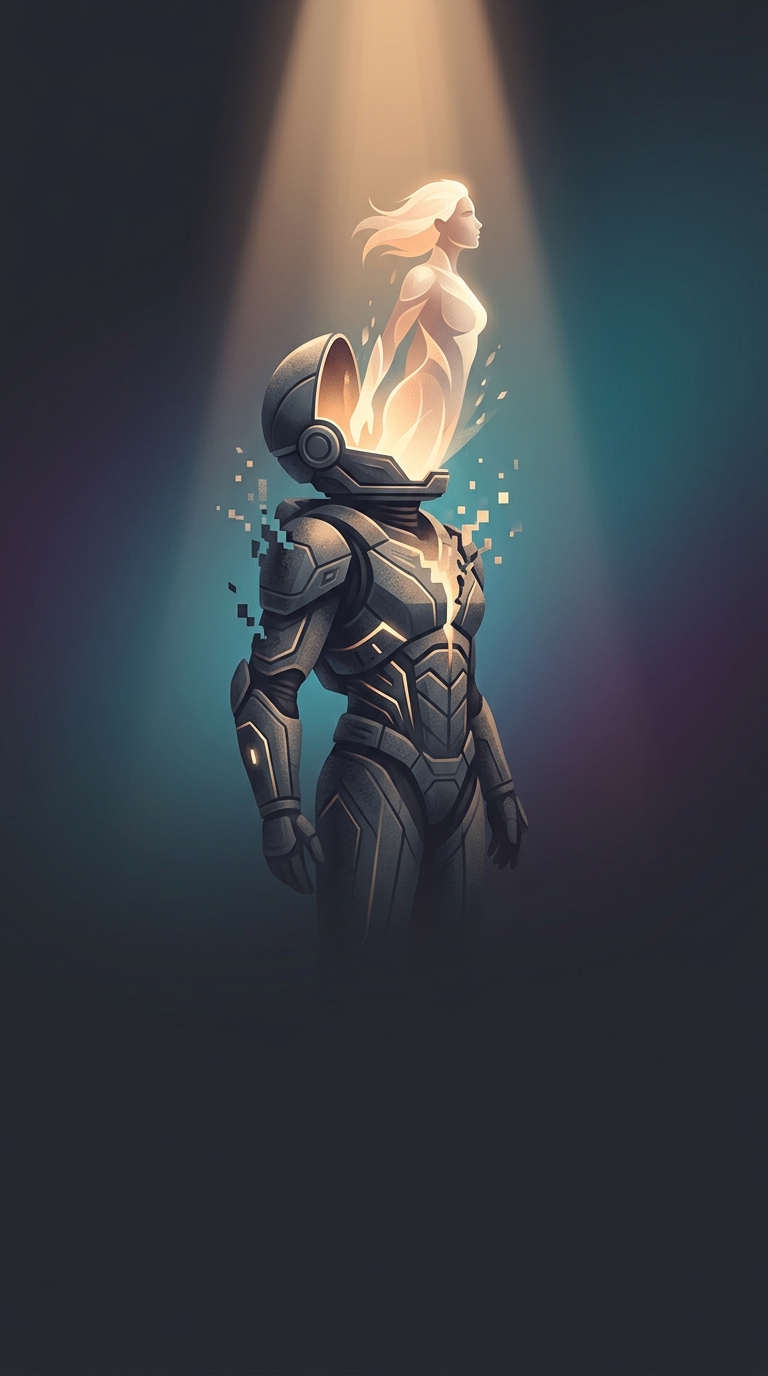
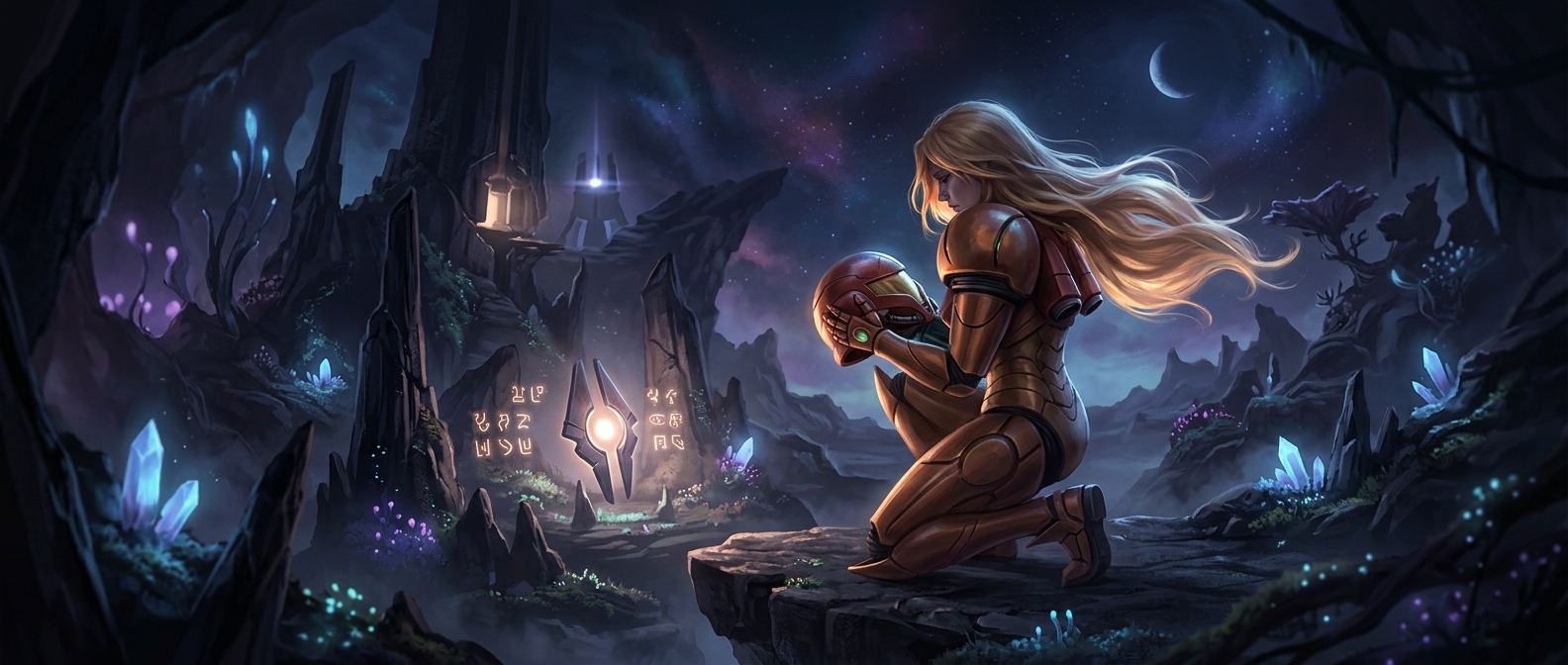
When Samus removes the helmet, the story does not add a new character; it reveals something the player did not know about the one already on screen. The gap between what players assumed and what the game had actually shown is the point. Samus’s skill and role were never presented as dependent on being male—the assumption came from expectations about who typically filled the hero’s place.
The reveal also depended on the game’s restrained presentation. With limited visual detail and no lengthy exposition, the ending could deliver the information in a single, legible image: the armored protagonist was a woman.
A twist that changes the memory of the adventure
Because the discovery arrives after the player has already completed the journey, it encourages a retrospective question: why did so many players picture a man beneath the suit? The surprise challenged a familiar convention without changing Samus’s accomplishments or asking her to prove she belonged in the role. The armor had concealed her identity—but it had also let players experience her as the hero before they knew how to categorize her.