A cliff made isolation physical
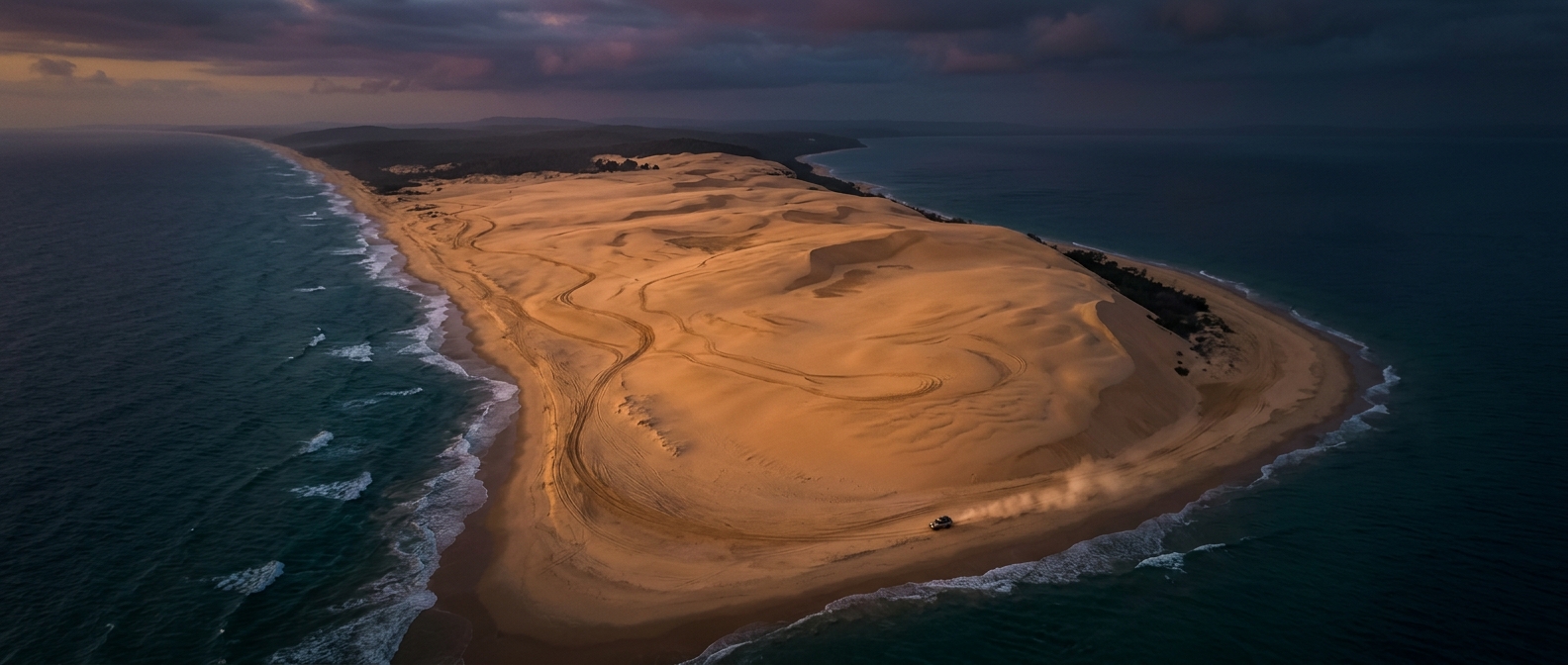
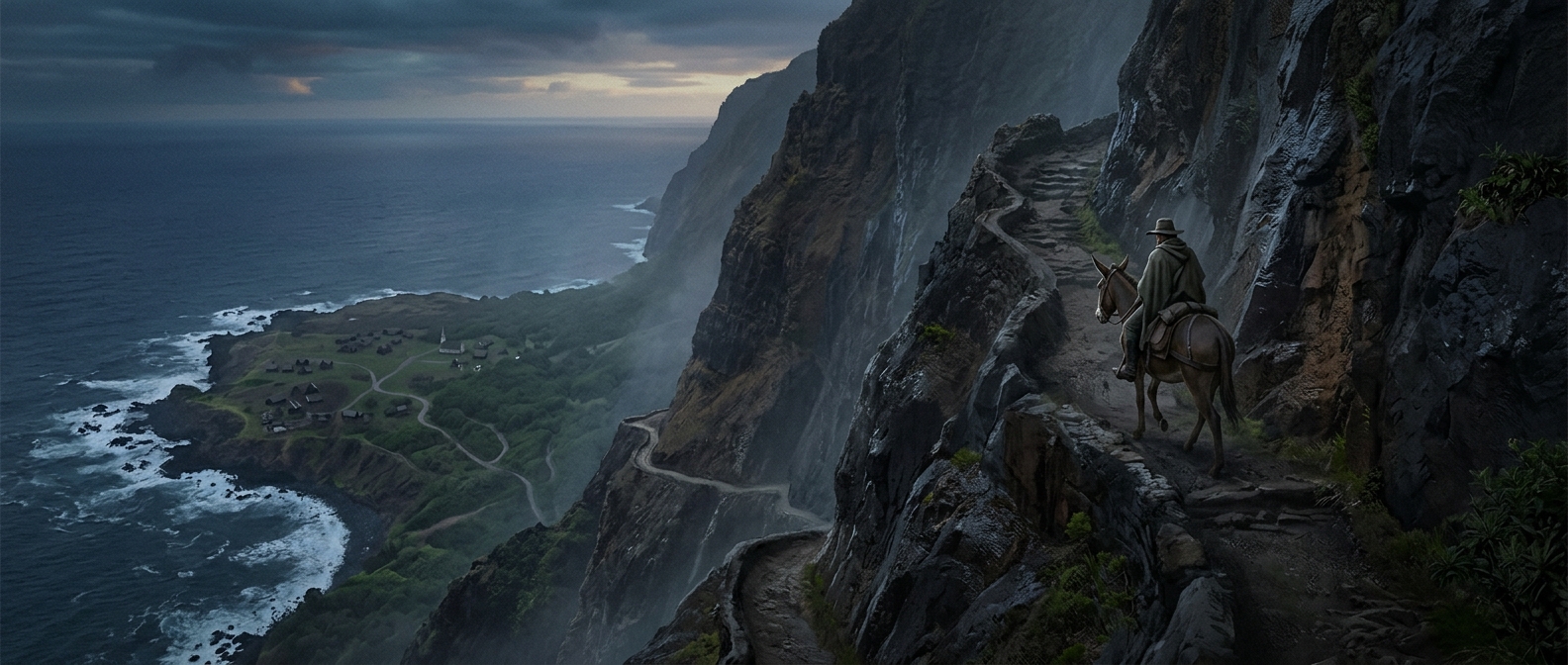
Kalaupapa occupies a low peninsula on Molokai’s north shore, cut off from the island’s uplands by towering sea cliffs. The landscape made the settlement difficult to reach long before anyone set out to visit it: there is no ordinary road down the face of the pali, the Hawaiian word for cliff. A narrow trail zigzags toward the coast, turning a short distance on a map into a steep, demanding journey.
When the government established Kalaupapa as a settlement for people with Hansen’s disease in 1866, that geography became part of its system of forced separation. People were sent there to live apart from the wider population, often leaving families behind. The cliffs were not merely dramatic scenery; they helped make the peninsula an isolated place to which people could be confined.
The trail still shapes the visit
Mules can negotiate the trail’s sharp turns and uneven footing, carrying riders and supplies down to the peninsula. That practical role matters in a place where the terrain limits ordinary access. The descent also makes the separation tangible: visitors travel from the island’s high ground to a small community enclosed by ocean and cliffs.
Kalaupapa’s isolation can look like a natural feature, but its human meaning was imposed. The same landscape that now defines a memorable journey once helped enforce a policy of exile.