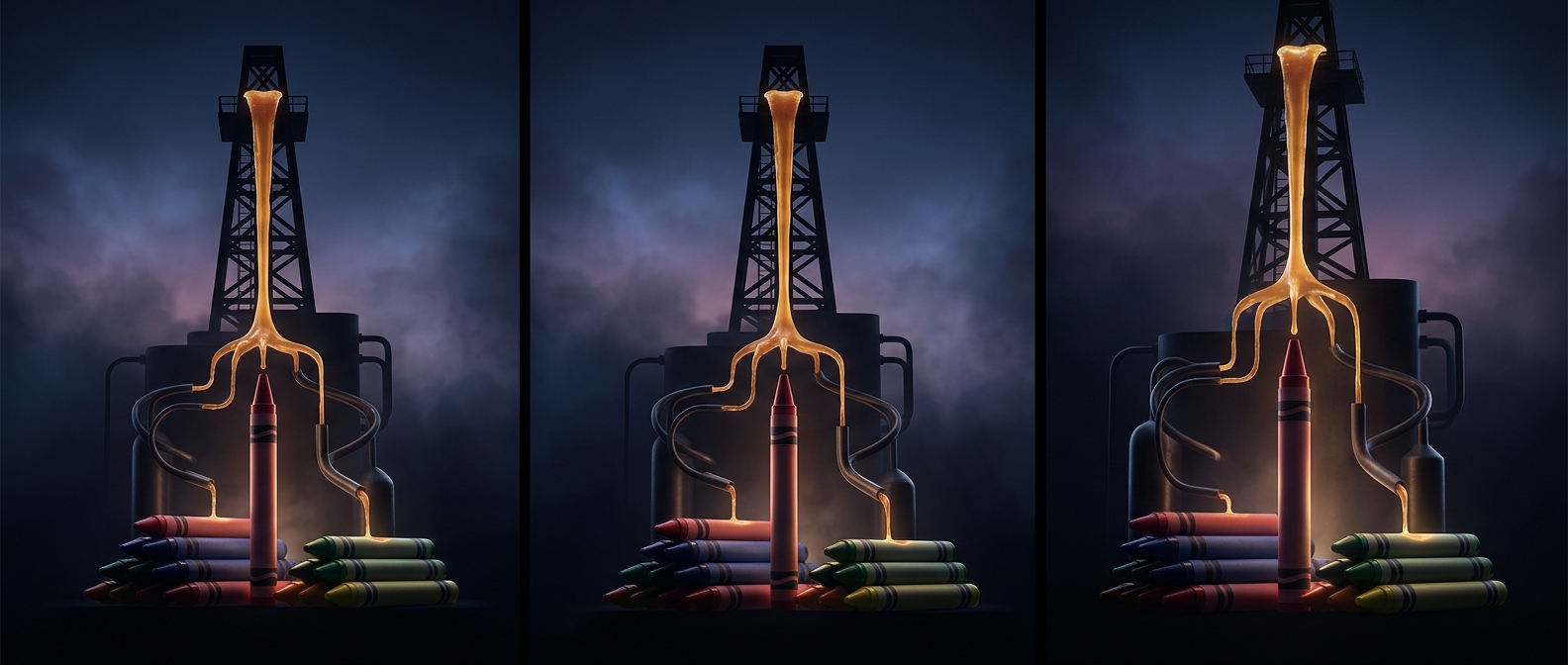
Why cardboard orders can signal a slowdown
Corrugated boxes sit near the point where production meets shipping. A manufacturer needs packaging when goods are ready to move; a retailer needs it when stock is being replenished or prepared for delivery. That makes demand for boxes a practical clue to activity across factories, warehouses and stores—not because cardboard drives the economy, but because so many supply chains use it.
When companies expect brisk sales, they tend to order packaging for goods they plan to produce and ship. If they grow cautious, they may cut production plans, postpone shipments or work through boxes and other supplies already on hand. Those decisions can reduce orders to box makers before the slowdown is fully visible in broader measures of output or sales.
A useful signal, not a forecast by itself
The clue is strongest when box demand is considered alongside other indicators. A decline might reflect weaker orders, but it can also result from businesses reducing excess inventory after stocking up earlier. Changes in packaging design, material use or the mix of goods being shipped can affect box demand too. And boxes cannot represent the entire economy: services and many digital transactions require no shipping carton.
Analysts therefore look for a pattern rather than treating one dip as proof of recession. If packaging demand falls at the same time as factory activity, freight traffic or retail orders, the combined evidence is more persuasive. The value of cardboard is its connection to physical movement: it can reveal that businesses are preparing to make or ship less before those goods appear in sales and production totals.
That is the concrete implication behind the humble box: when companies order fewer of them, it may mean fewer products are about to leave the warehouse.