The economics behind a toy that breaks quickly
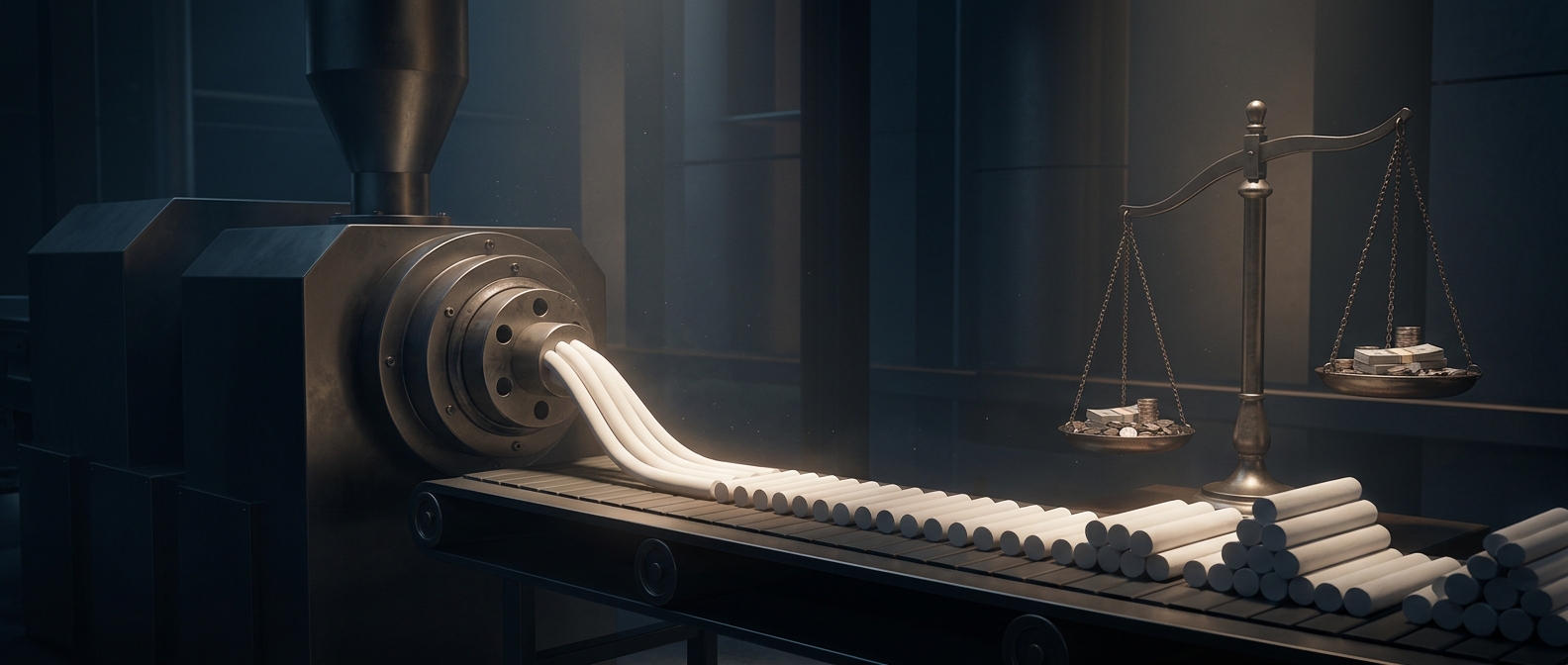
A toy sold for very little has to fit its price through every step of the business: materials, assembly, packaging, shipping, and the retailer’s share. Manufacturers can keep costs down with simpler designs, fewer parts, lighter materials, or less time spent checking each unit. Those choices may make a toy less able to withstand drops, twisting, or repeated play.
That does not mean every inexpensive toy is deliberately made to fail. It means durability competes with other priorities inside a tight price limit. A small change in material or construction can matter a lot when a toy has thin joints or moving parts, even if the savings on each unit seem modest.
Why replacement can become part of the bargain
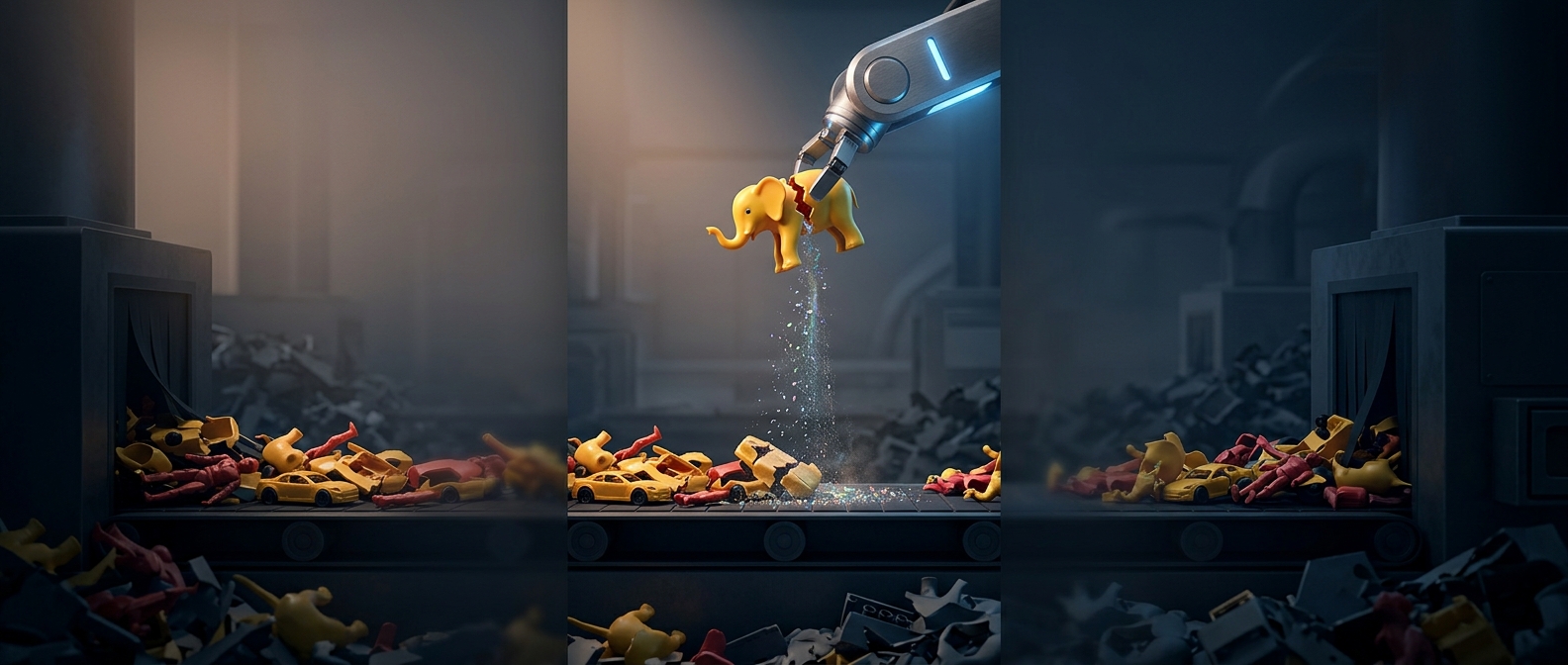
For a low-priced item, repairing it usually makes little financial sense: finding a part or paying for a fix can cost more than buying another toy. The purchase price also shapes expectations. Adults may treat the toy as a brief treat rather than something meant to last for years, while a child experiences the break as a sudden loss and asks for a replacement.
The result is a mismatch between who sets the price and who feels the failure. The business can compete by offering an appealing toy at checkout; the household may end up paying again when it breaks. A low sticker price can hide a higher cost per day of play—and the broken toy still has to be discarded.