Why a Tiny Snag Can Unravel a Pair of Pantyhose
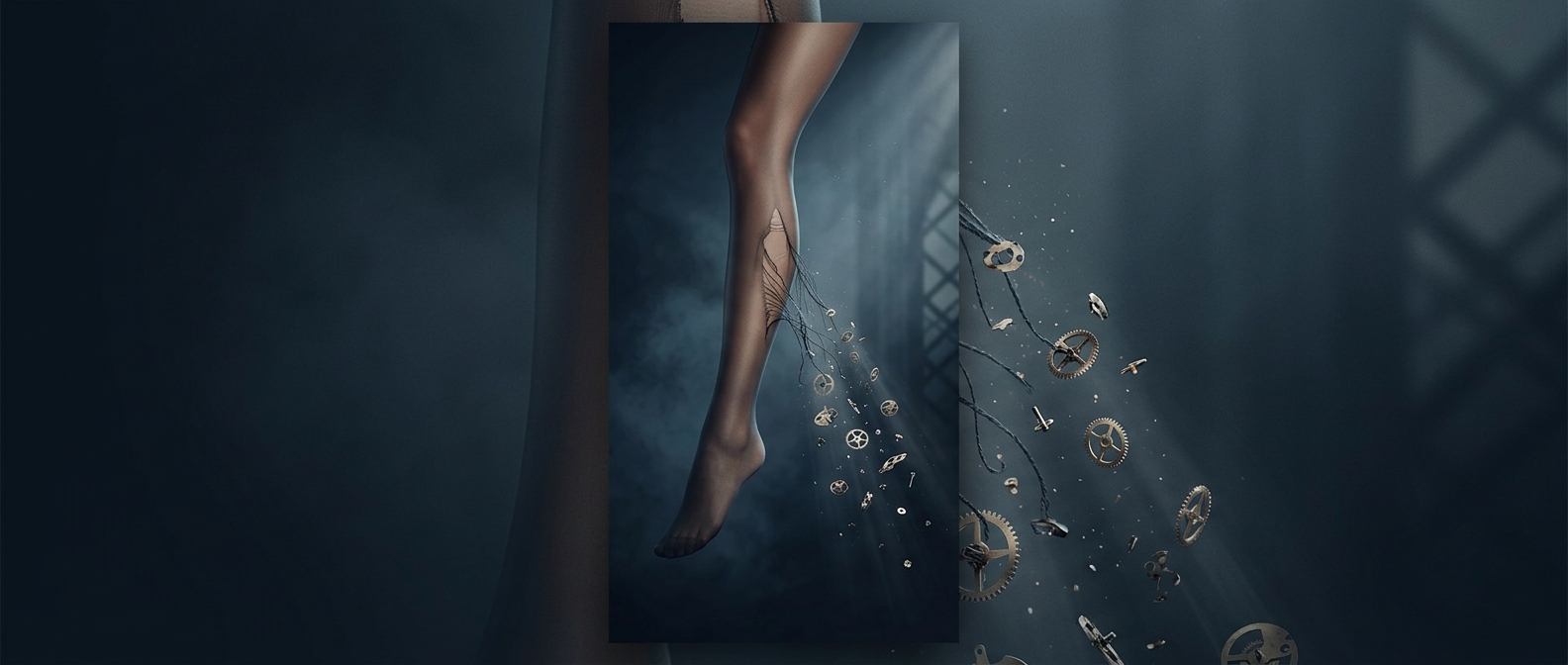
Pantyhose are made from knitted loops of fine, stretchy yarn. That construction lets the fabric cling closely to the legs, but it also creates a weakness: when a loop breaks, nearby loops can slip free in a line. The resulting “run” may spread well beyond the original snag, making the garment difficult to wear even if most of it is intact.
A Fragility With a Commercial Consequence
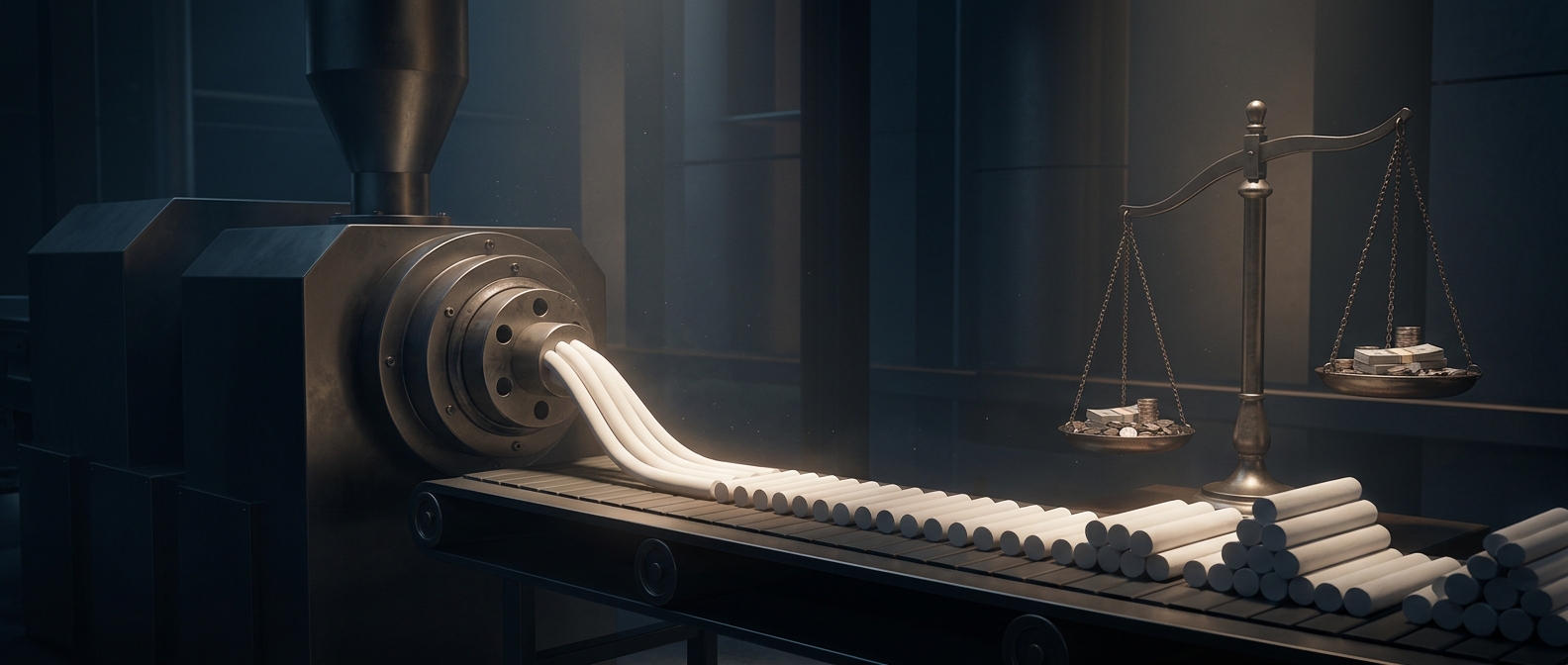
For customers, a run meant replacing a pair sooner than expected. For makers and sellers, that damage could bring a repeat purchase without any change in fashion or a planned replacement date. The same feature that made pantyhose sheer and form-fitting also helped make them short-lived.
That does not mean every run was deliberately designed into the product. Fine, lightweight hosiery faced a real tradeoff: making it more resistant to damage could affect its feel, stretch, appearance, or cost. But once manufacturers recognized that damaged pairs brought customers back, durability was not the only measure of commercial success.
The small snag therefore had an outsized effect: a garment could become unusable because of one broken thread, turning an everyday accident into an unplanned trip to buy another pair.