A pope had to make his own exit possible
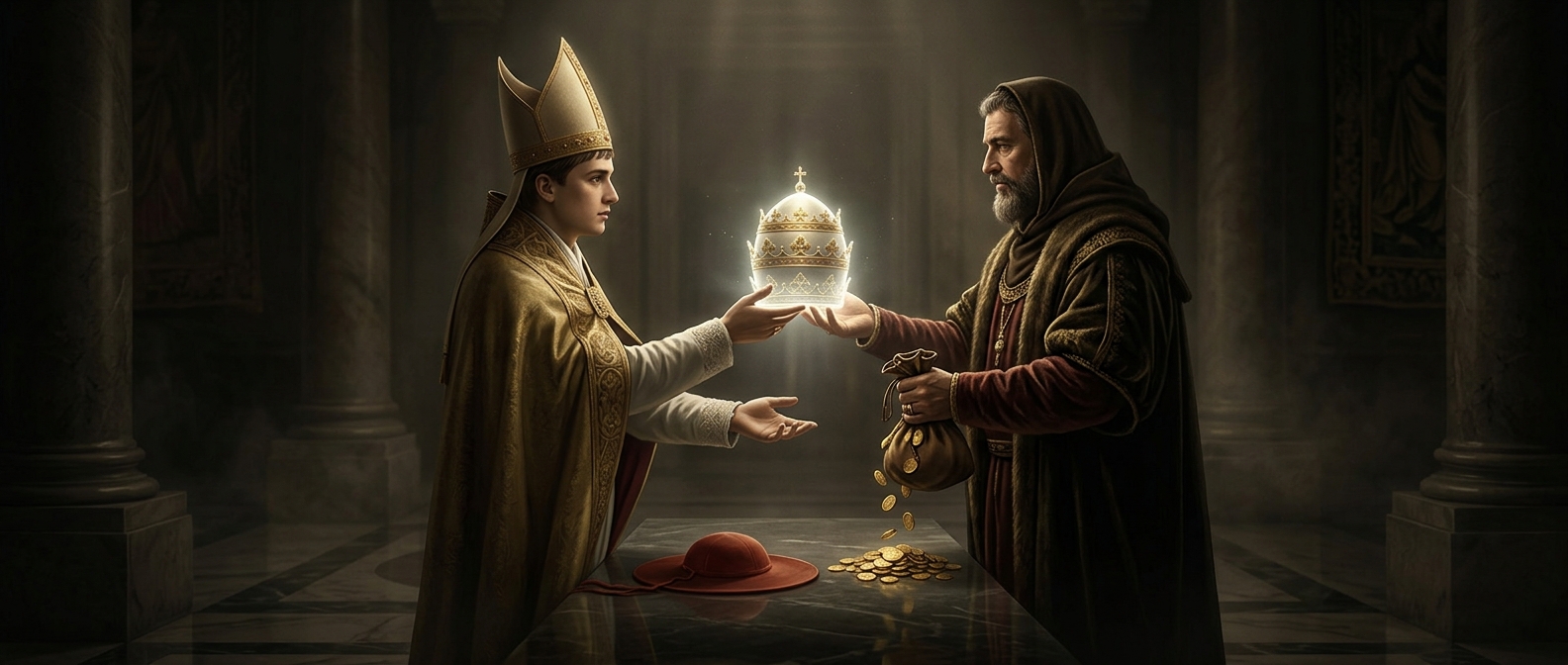
When the elderly hermit Pietro da Morrone became Pope Celestine V in 1294, he was stepping into an office with no clear, settled procedure for a pope to leave it voluntarily. The papacy was not an ordinary post with a superior who could accept a resignation. Celestine’s solution was to issue a decree affirming that a pope could abdicate, then resign on December 13, after about five months in office.
The decree mattered beyond his own departure: it gave his successor a legal basis for treating the resignation—and the election that followed—as valid. Celestine’s decision is commonly understood as a return to the solitary religious life he had led before his election, though the demands of governing the Church also weighed heavily on him.
Leaving office did not mean leaving politics
The cardinals elected Boniface VIII to succeed him. But a former pope could still become a focus for people dissatisfied with the new one, or a rival in a future dispute over who held legitimate authority. Boniface therefore kept Celestine under guard at the castle of Fumone rather than letting him return freely to his hermitage.
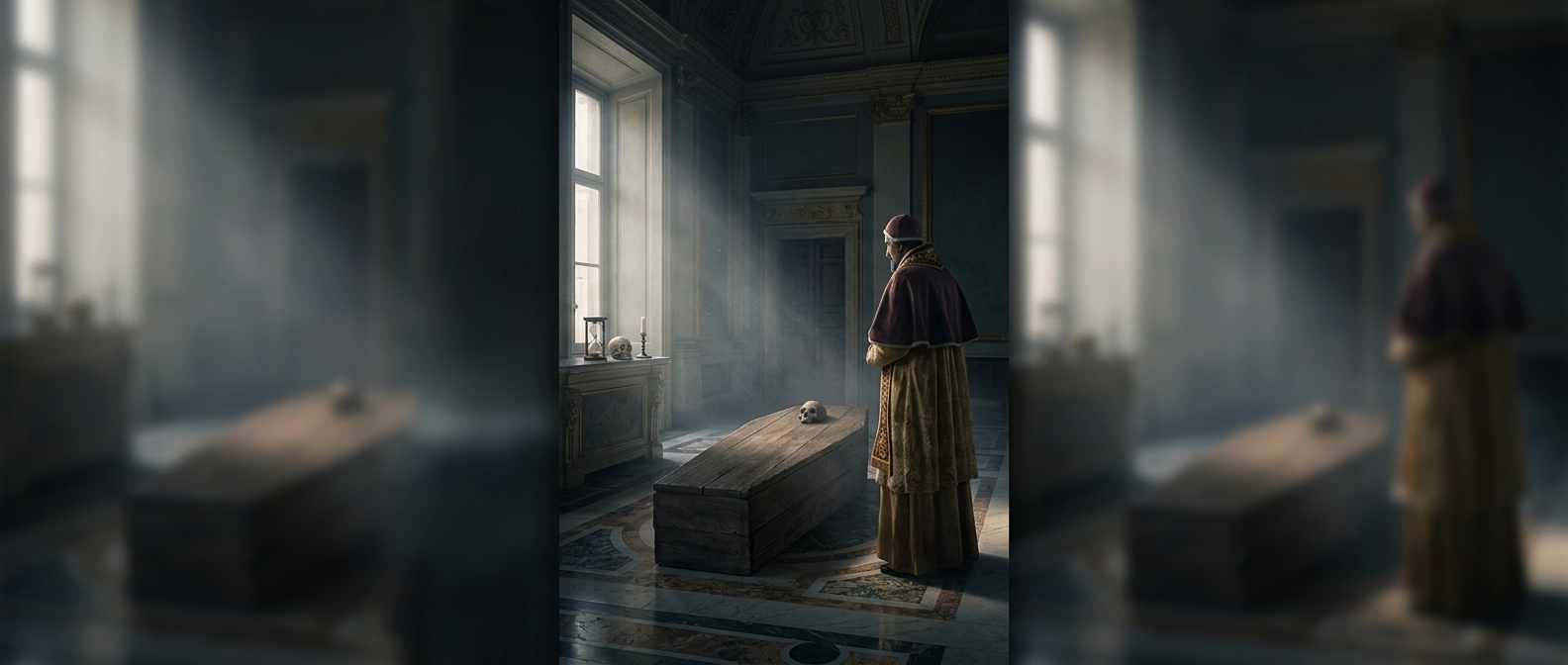
Celestine died there in 1296. The contrast is what makes his resignation so striking: he could give up the papal office, but he could not control what the office—and its political risks—would do to him afterward.