A private study became a fatal trap
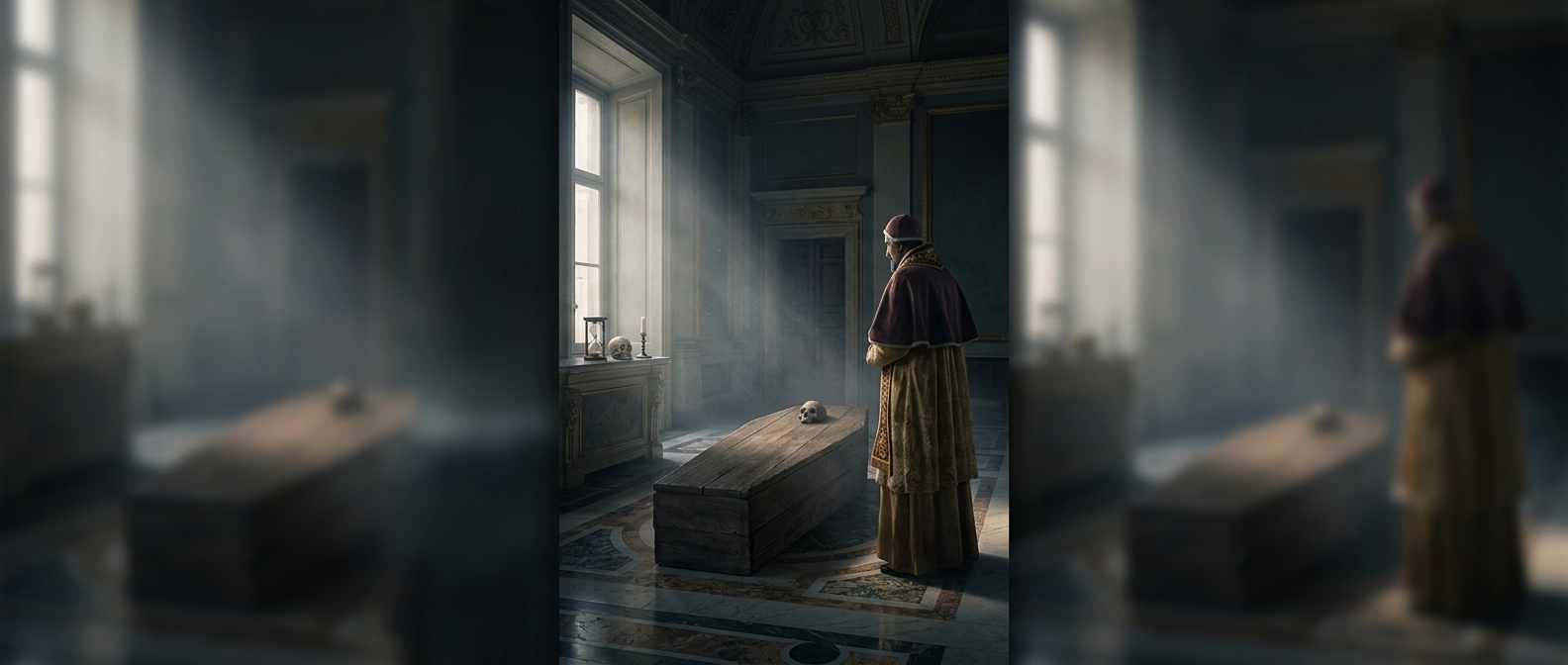
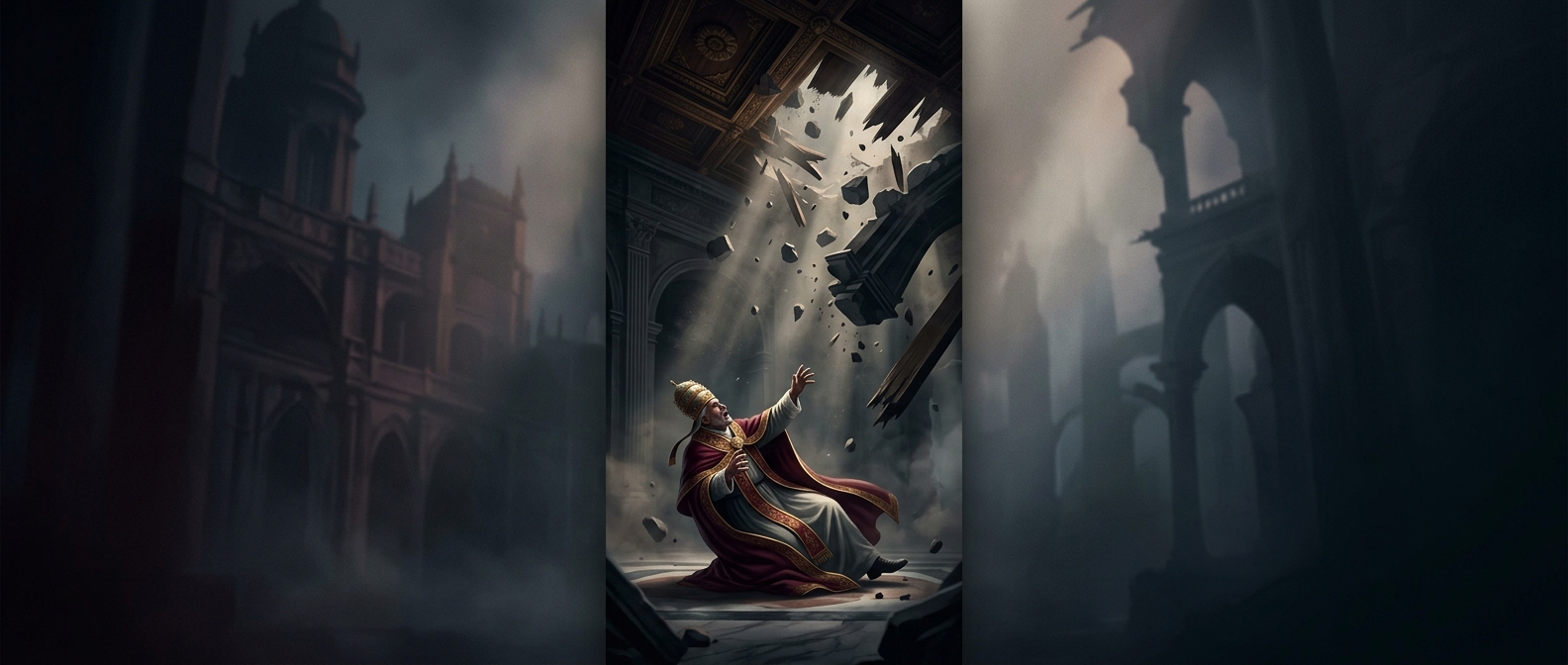
In 1277, Pope John XXI was staying at the papal palace in Viterbo, a town north of Rome that often hosted the papal court. A room in the palace—described in accounts as his study—collapsed while he was inside. The falling structure badly injured him, and he died several days later.
The setting matters: this was not a distant fortress or a battlefield, but a room within the papal residence, used for private work. Medieval palaces were evolving complexes of chambers and halls, and a room’s apparent solidity offered no guarantee that its roof or supporting structure was sound. The surviving account establishes the collapse, but not a definitive engineering cause; it would be guesswork to say exactly which part failed or why.
An accident with political consequences
John XXI’s death abruptly ended a pontificate that had lasted only about eight months. The papacy did not pass automatically to a named successor: cardinals had to choose the next pope, leaving the office vacant while they deliberated. The collapse therefore turned an ordinary act of retreating to a study into a sudden disruption at the center of church government.
The unsettling detail is how close the danger was to the machinery of power. A pope could be protected by palace walls and attendants, yet still be vulnerable to the building above his head.