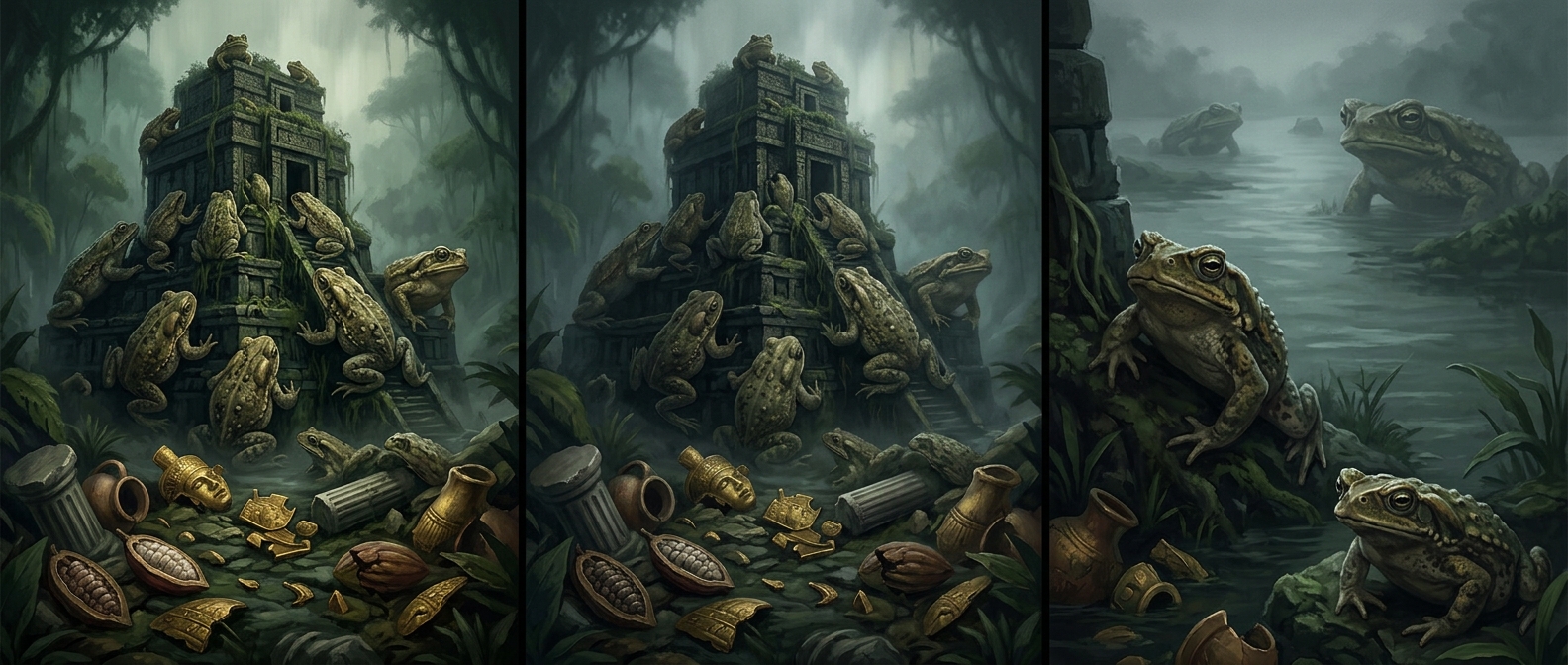
A pest-control plan with the wrong target
In 1935, sugar growers in Queensland backed an attempt to control cane beetles by importing cane toads. The logic was simple: introduce an animal that eats insects, let it multiply, and reduce the pests damaging the crop. It was a form of biological control—using one living species to suppress another instead of relying only on direct removal or chemical treatment.
But being an insect-eater did not make the toad an effective beetle-control tool. Cane toads mostly forage on the ground, while the beetles the growers wanted to stop were not reliably available to them there. The toads ate other easy-to-catch food instead, leaving the agricultural problem largely unsolved.
The cost of a solution that kept spreading
The plan also counted on the toads establishing themselves. They did. With abundant food and few natural checks in their new environment, they spread well beyond the sugar-growing areas. Their success as colonists was the opposite of success as pest control: the toads multiplied without delivering the crop protection growers had hoped for.
Cane toads carry toxins in glands behind their heads. Native predators that try to eat one can be poisoned, so the introduction created a new ecological hazard as the toads expanded. The economic lesson is sharper than simply “the wrong animal was chosen”: a biological-control agent must encounter the target pest in the right place and at the right time—and its consequences do not stop at the farm boundary.