Why Venus could set the timing of a campaign
To observers on the ground, Venus does not simply stay in one place in the sky. It alternates between appearing before sunrise and after sunset, with stretches when it vanishes from view as it passes near the Sun. A full cycle of these appearances takes about 584 days. For Maya sky-watchers, tracking that rhythm turned a bright, recurring sight into a way to mark auspicious—and potentially dangerous—times.
The surviving Maya record known as the Dresden Codex includes a Venus table: a schedule for predicting the planet’s appearances and disappearances. Its pattern matters because a calculated date could be compared with events on the political calendar. Inscriptions connect some rulers’ military actions with Venus dates, suggesting that celestial timing helped frame decisions about when to wage war and how to present a ruler’s authority.
A sky signal, not a simple calendar
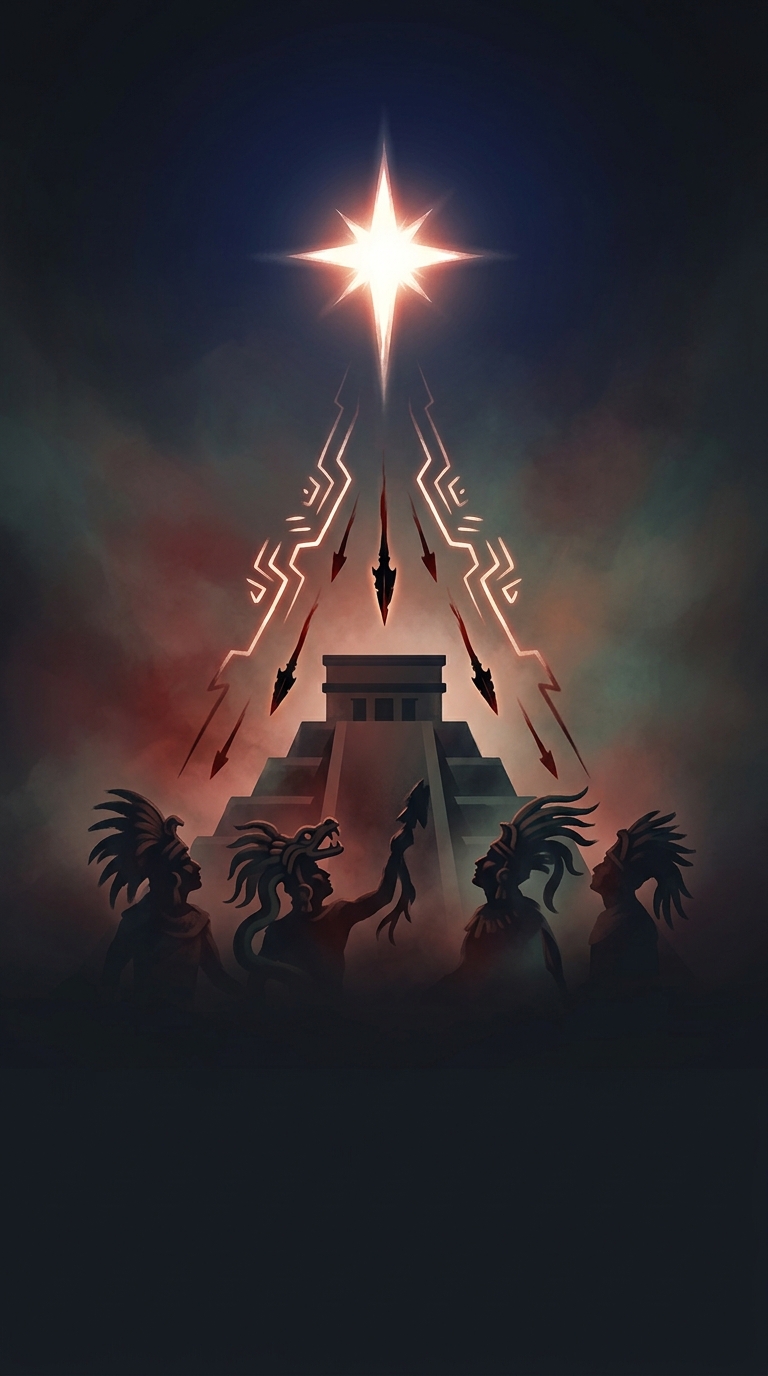
Venus’s first appearance before dawn, after it has been hidden from view, was especially charged. In Maya beliefs, the planet could be associated with aggression and danger. That made its return more than a convenient date marker: it could be read as a sign that a perilous period had begun. Warfare and ritual offerings, including sacrifice, could be linked to these moments.
This did not mean Maya life was governed by Venus alone. The planet’s cycle was one part of a sophisticated system of calendars and sky observations. Its military significance came from joining careful prediction to religious and political meaning: a ruler could act under a sky that seemed to authorize the moment.