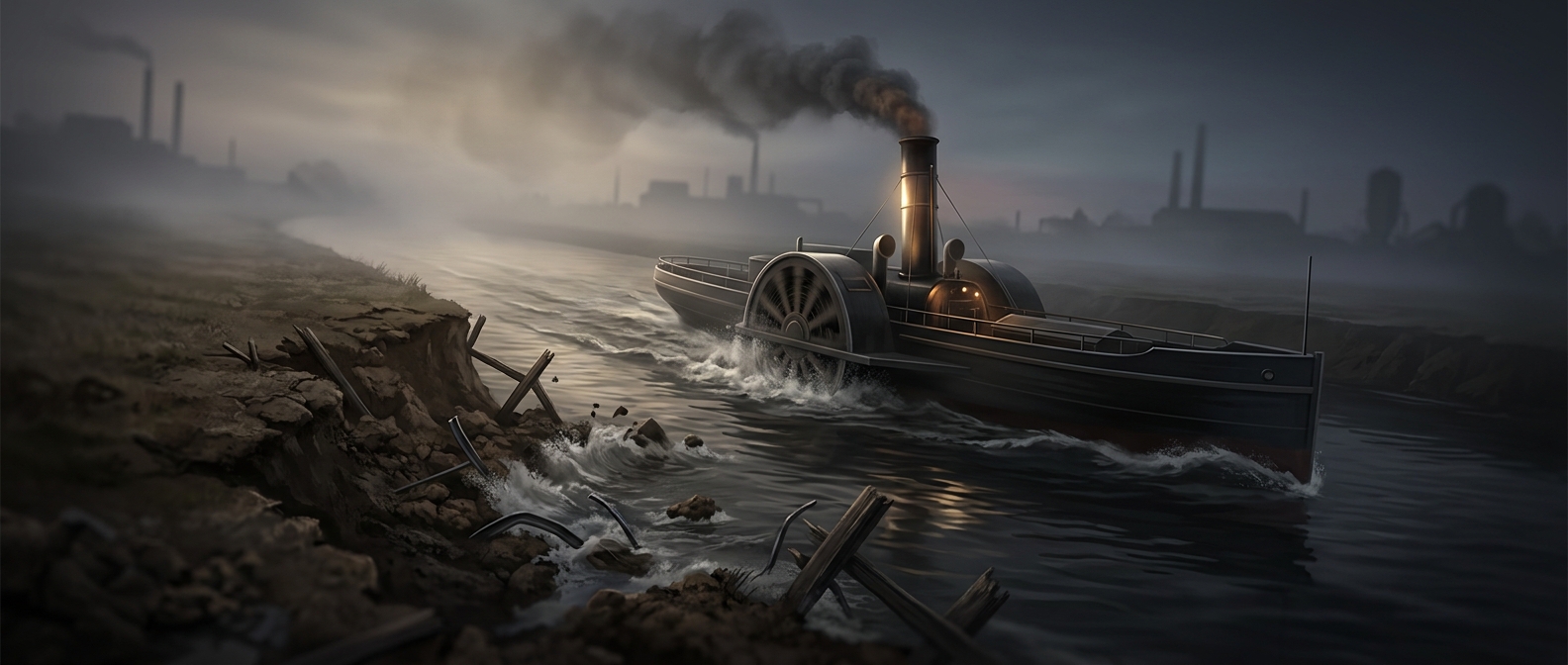
A wake can work like a repeated shove
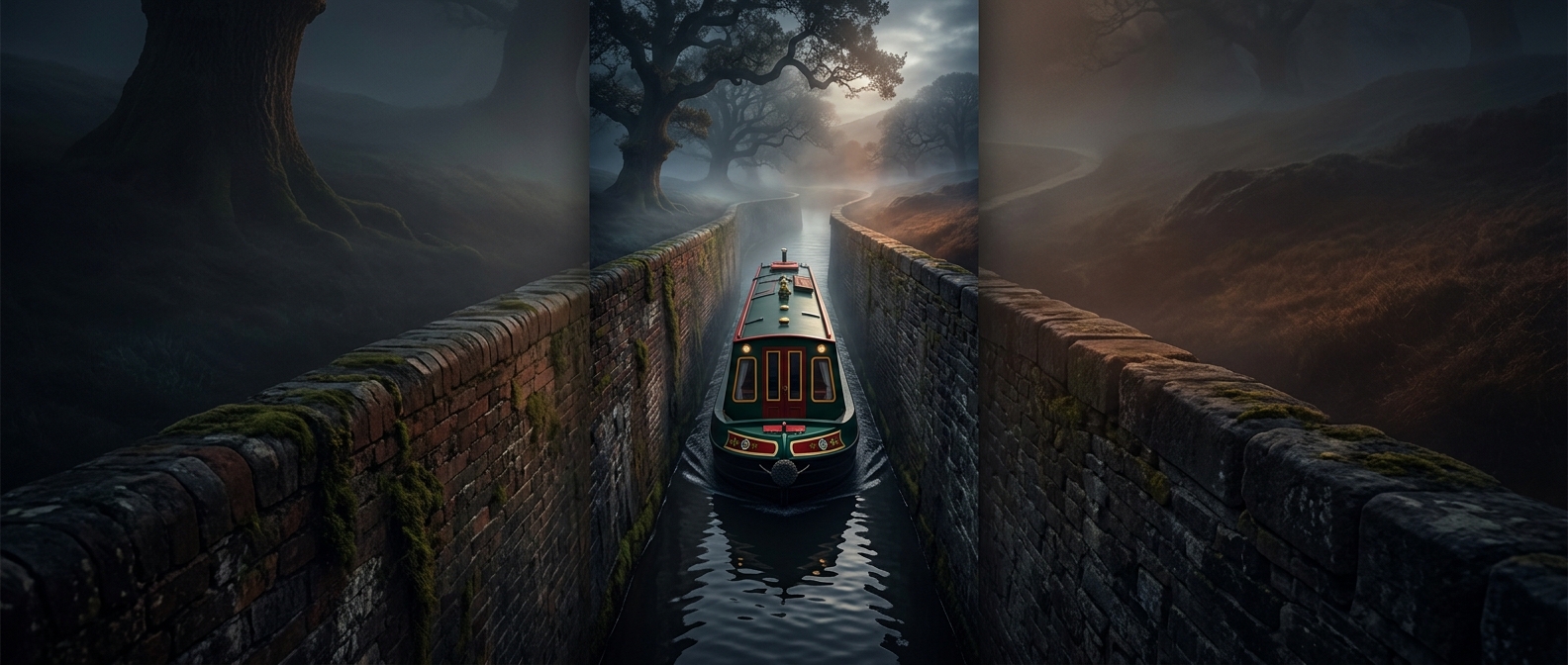
A canal is not simply a channel cut through the ground. Its banks must hold water at a controlled level, often beside land that sits higher or lower than the channel. A steamboat moving through a narrow canal pushes water aside; its hull and propeller leave waves that spread toward the banks. When those waves strike the same soft earth trip after trip, they can loosen soil and carry it away.
The damage is cumulative. A single wake may do little, but repeated waves can scour the waterline, undercut the bank, and wash soil into the canal. The channel then needs repair, and a weakened bank may leak or slump into the water.
Speed carried a maintenance cost
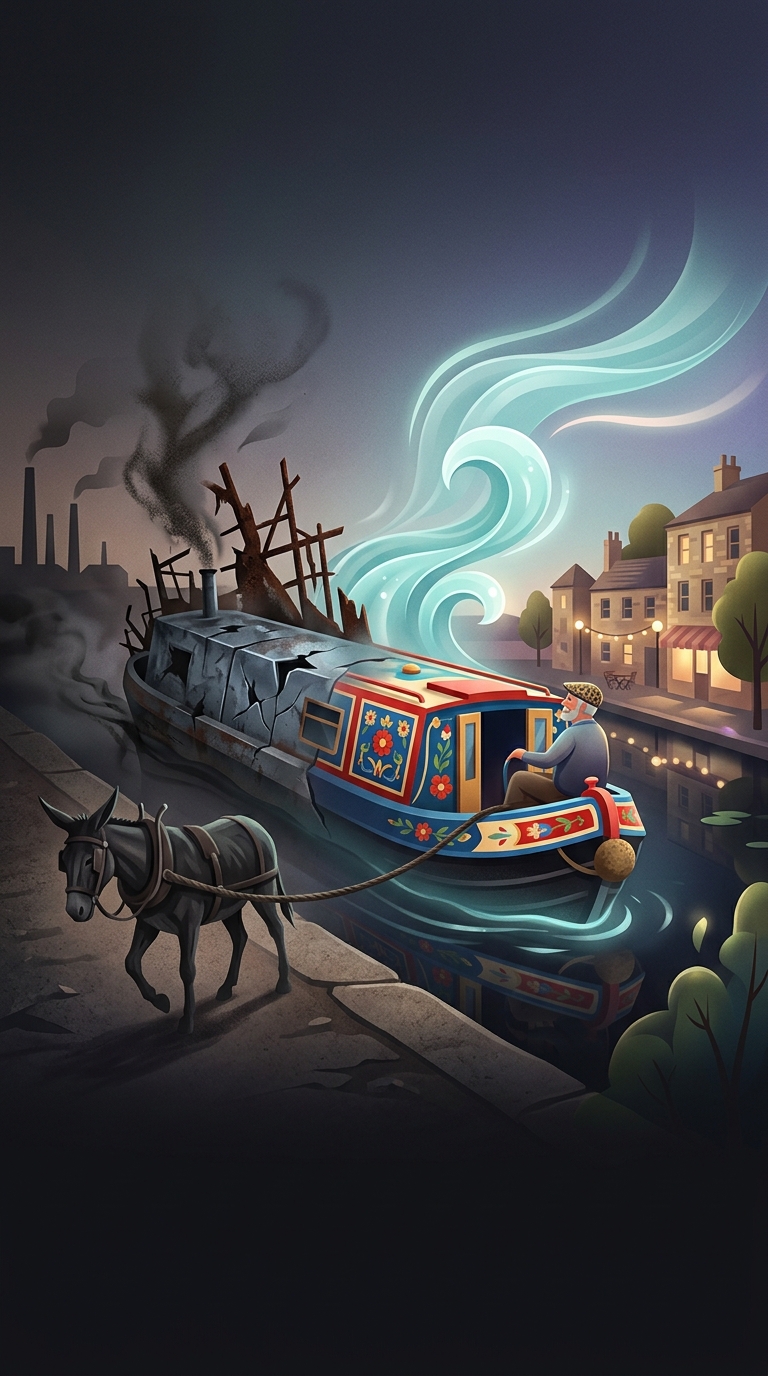
Canal boats drawn by animals generally moved slowly, limiting the force of their disturbance. Steam power offered faster travel, but speed and engine thrust produced stronger wakes. In a confined channel, the water had nowhere to spread out as it would on a broad river or lake, so more of the disturbance reached the banks.
That created a practical conflict: the boats that promised quicker trips could also make the route more expensive to maintain. Operators and canal managers had reason to limit how fast vessels traveled or to reinforce vulnerable banks, trading some of steam’s speed advantage for a canal that could keep holding water.
The canal’s weakness was built into its purpose: it had to contain a still, carefully managed body of water. Every passing steamboat disturbed that boundary, turning motion into a recurring repair bill.