A lake does the work of a lift
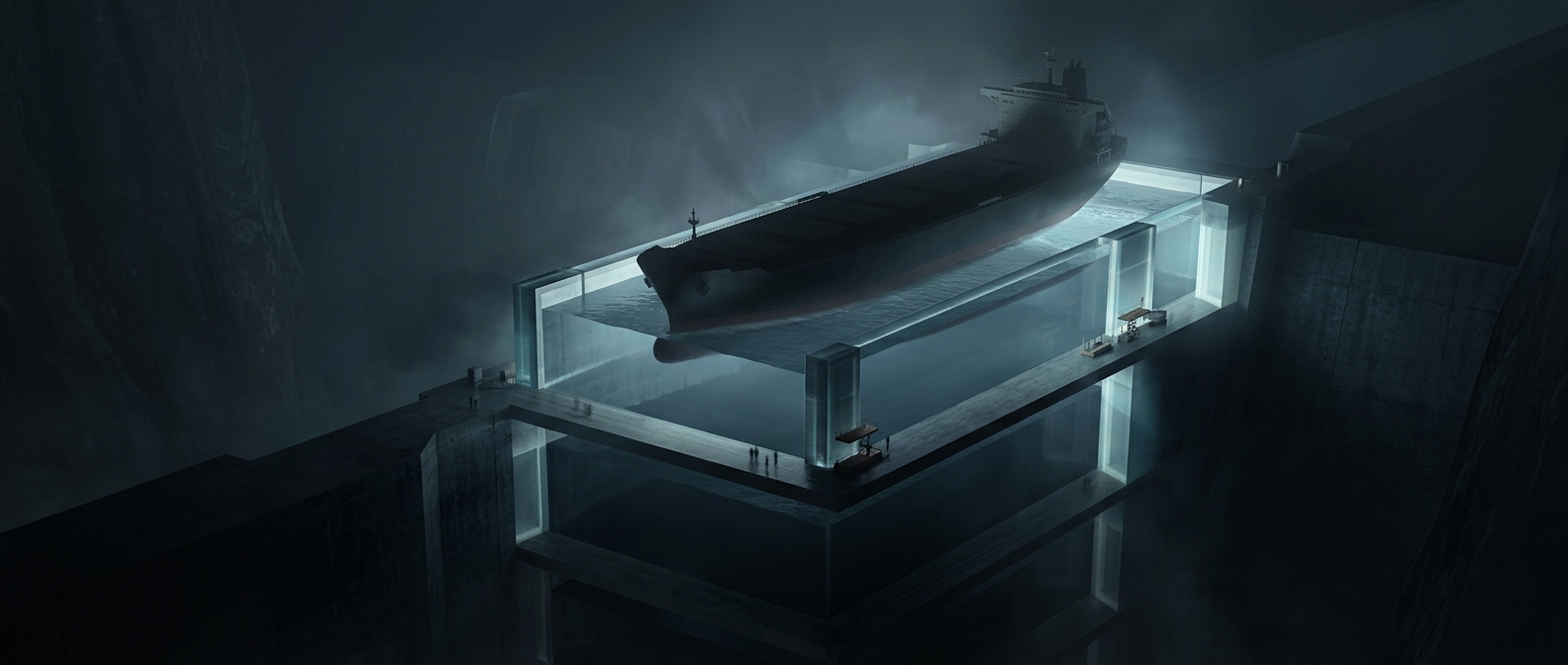
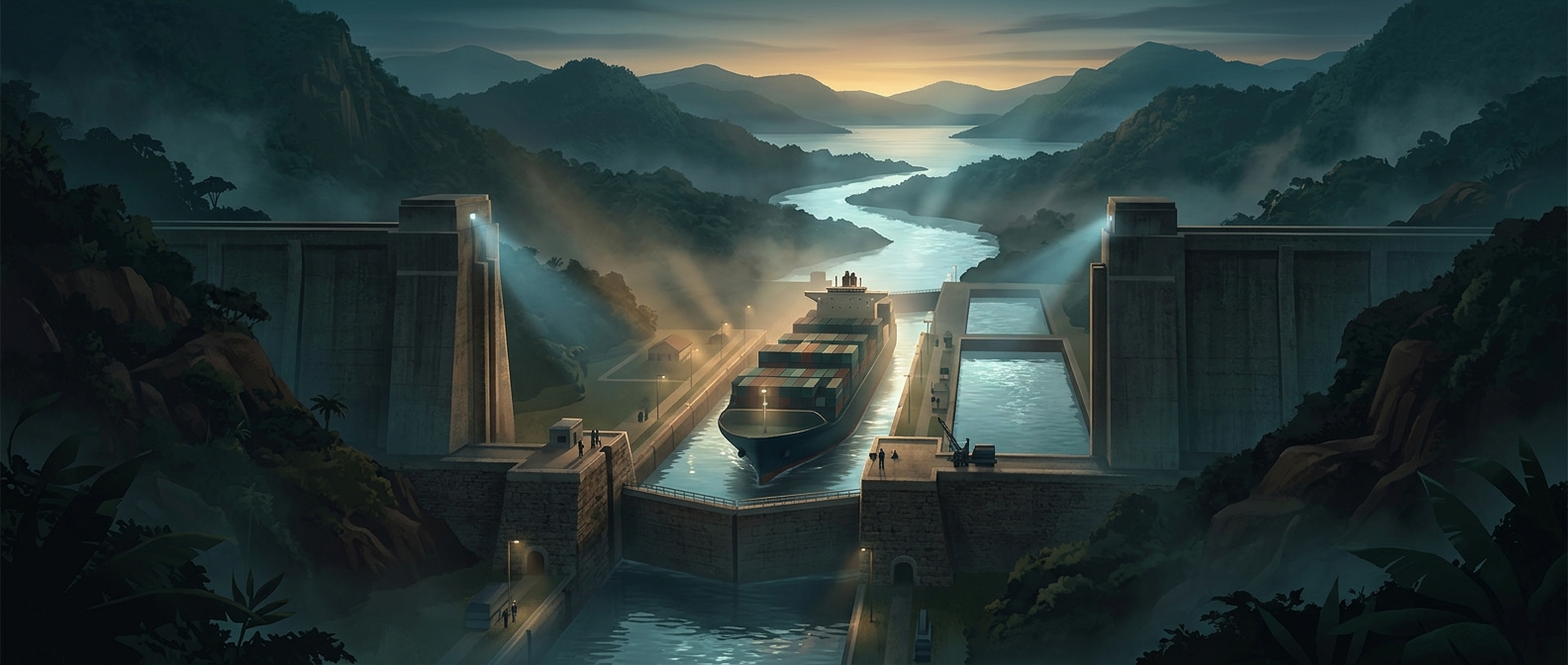
A ship cannot simply sail over the land between the Atlantic and Pacific. At each lock, massive gates close behind it and water flows into the chamber, raising the ship to the level of the next stretch of canal. The process repeats until the vessel reaches Gatun Lake, then runs in reverse on the other side.
The water moves mainly by gravity. Gatun Lake sits above sea level, so opening channels and valves lets water flow down into a lock chamber; no giant pump has to lift each ship. The lake itself is a reservoir held back by a dam and replenished by rain across the canal watershed—the land whose streams drain into it.
Why a transit uses up water
When a lock empties, its water flows onward toward the sea. In the original lock system, that means much of the freshwater used to raise a ship is not kept in a closed loop for the next vessel. The canal is therefore spending water as well as time: each transit draws on the same reservoir that supports the canal’s other needs.
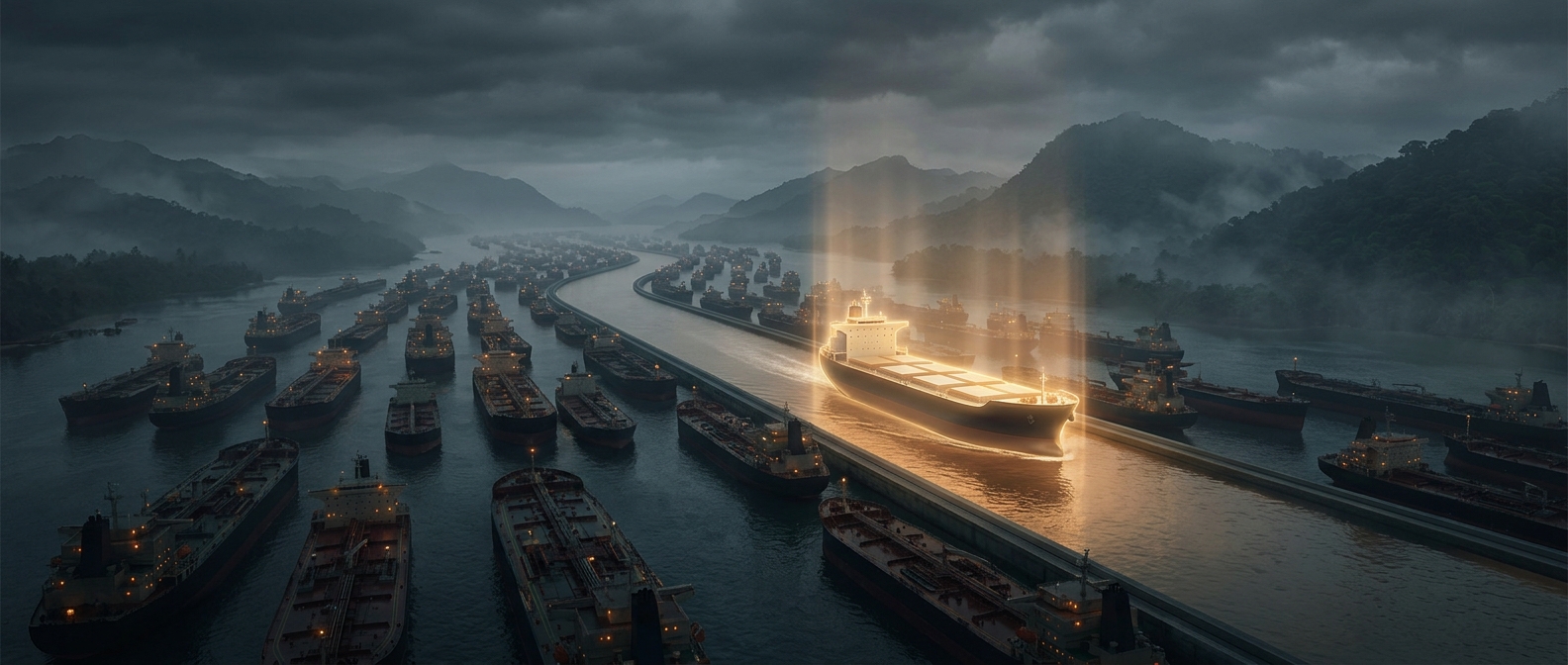
Rainfall is uneven, and a lake can only release water it has stored. In dry periods, low levels make the tradeoff visible: the canal may have to limit how many ships pass or how much they can carry, because allowing too many transits would draw down the supply further.
Newer locks include water-saving basins beside the chambers. As a lock empties, these basins capture and return part of its water for later use. They reduce the amount needed, but do not make the system water-free. A ship’s passage still depends on a surprisingly local resource: rain that fell upstream and was stored until the lock gates opened.