How a narrowboat book became a campaign
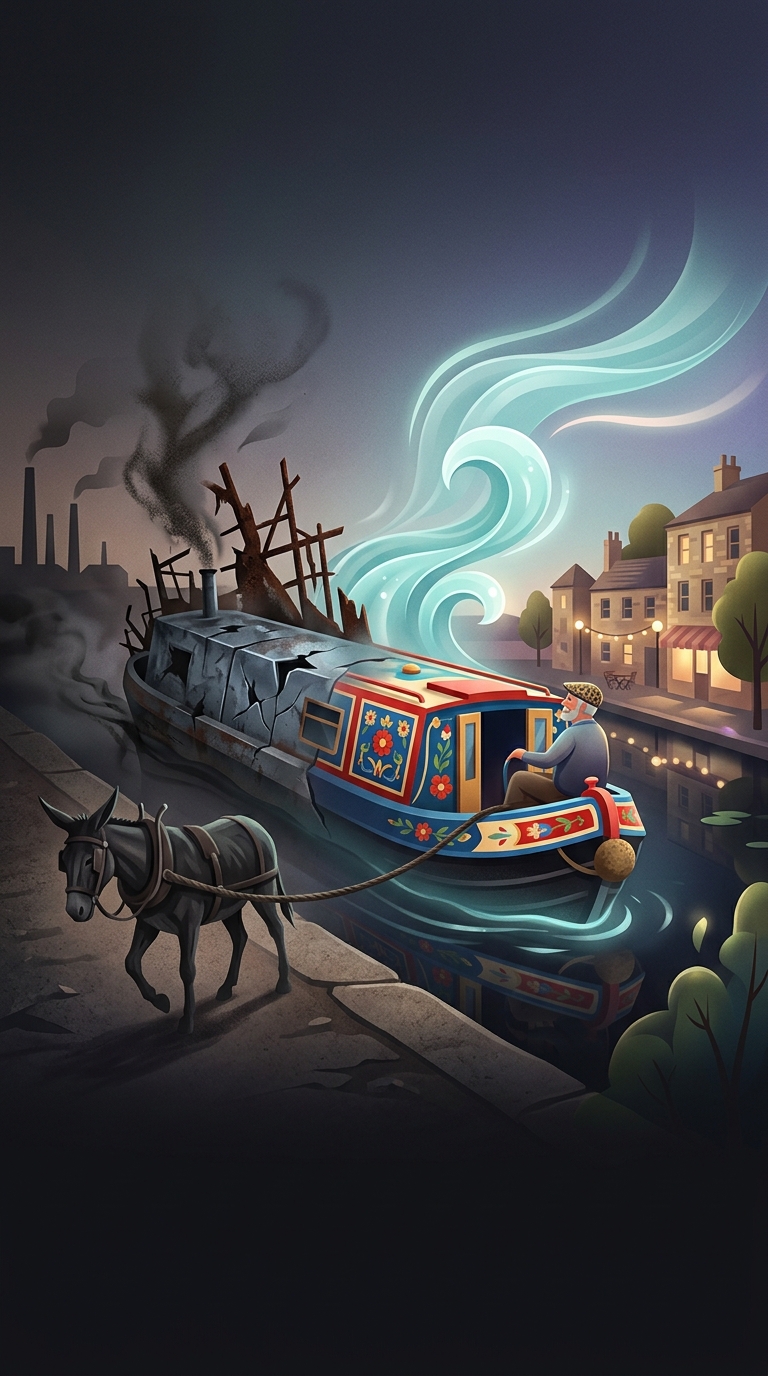
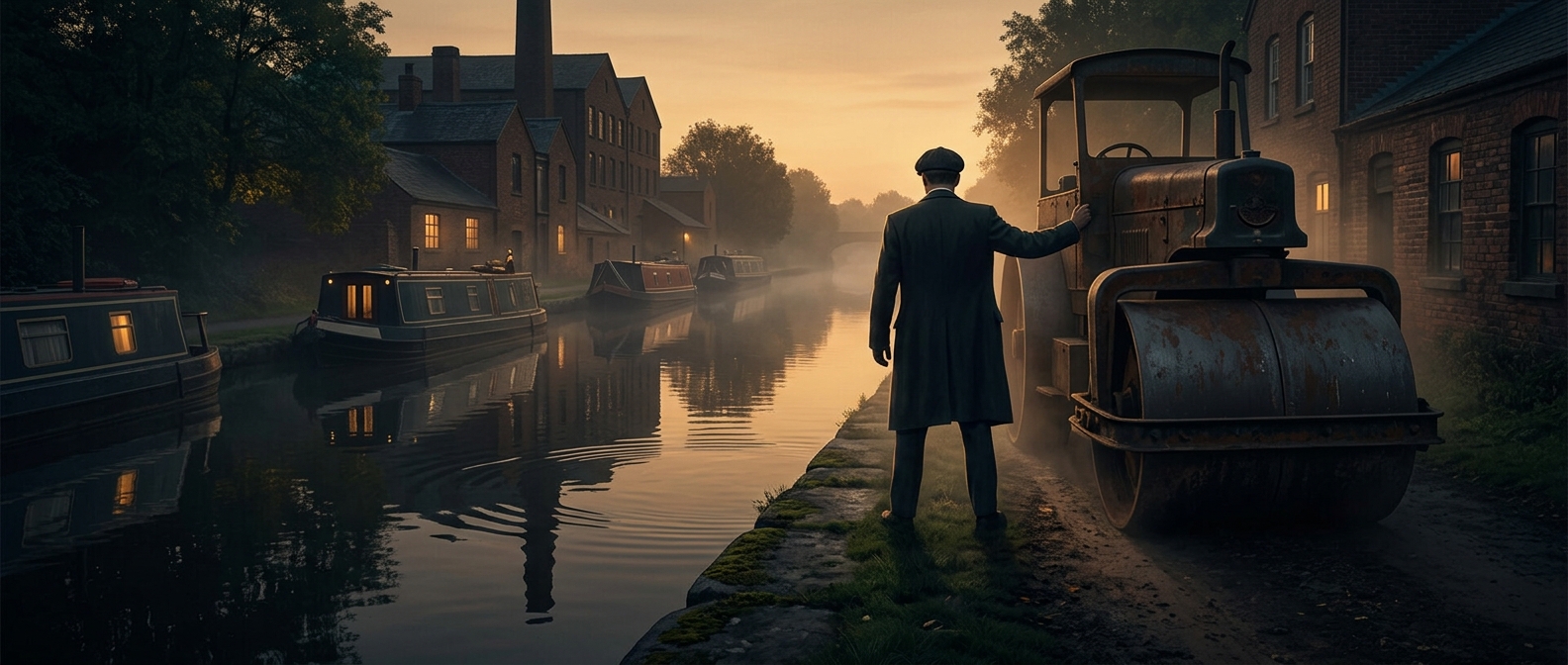
In the years after the Second World War, Britain’s canals were losing practical value. Freight was shifting to roads, while neglected locks, bridges, and towpaths made many routes harder to use. Some waterways faced closure or conversion as road transport expanded. The threat was not simply that canals would become unfashionable: once a route was blocked or its infrastructure left to decay, restoring it would become much harder.
Tom Rolt helped turn that slow decline into a public cause. His book Narrow Boat recounted his life aboard a canal boat, bringing readers close to the routines and landscapes of the waterways. Instead of treating canals only as relics of an industrial past, the book made them seem like places people could still inhabit, travel, and care for.
From readers to organized action
A book can make a neglected place visible; saving it takes people who can keep pressing for change. Rolt’s writing helped inspire the Inland Waterways Association, which organized support for Britain’s canals and campaigned for their restoration. That meant arguing that waterways had value beyond carrying commercial freight: they could remain connected routes and shared public places.
The distinction mattered. Nostalgia looks back at what has disappeared; organized restoration tries to keep what remains usable. Campaigners could draw attention to damaged infrastructure and oppose the idea that a canal’s declining cargo traffic made it disposable.
A different future for the waterways
Rolt did not stop roads from becoming central to transport. His influence was different: he helped build a constituency for canals at a moment when neglect and road-building threatened to make their decline irreversible. The lasting consequence was that waterways could be argued for as living parts of Britain’s landscape, not merely abandoned channels awaiting a road or redevelopment.