Why schizophrenia is rarely reported in people blind from birth
Schizophrenia is a serious mental illness that can involve hallucinations, delusions, and disorganized thinking. Reports of people who were blind from birth developing schizophrenia are extraordinarily rare. That pattern is striking because blindness does not prevent someone from experiencing psychosis: people who lose their sight later in life can develop the condition.
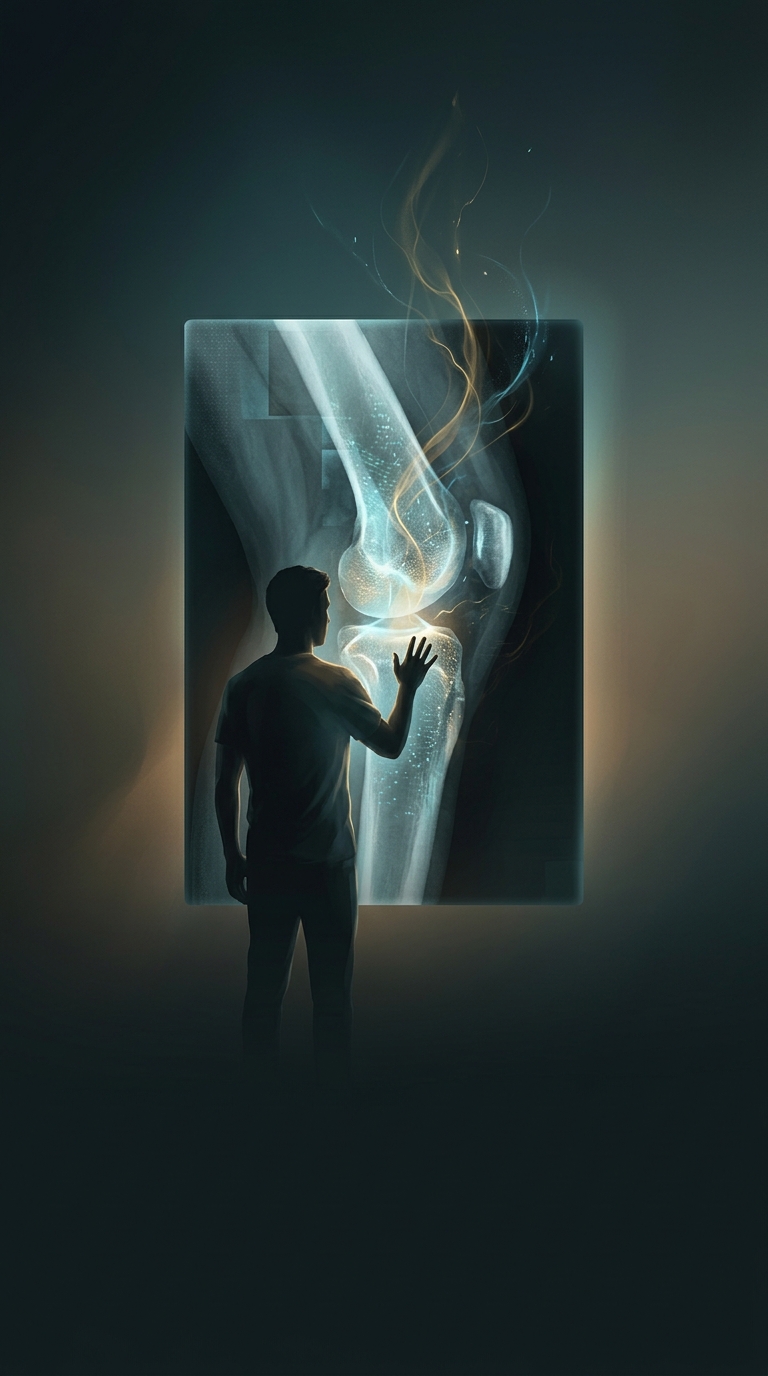
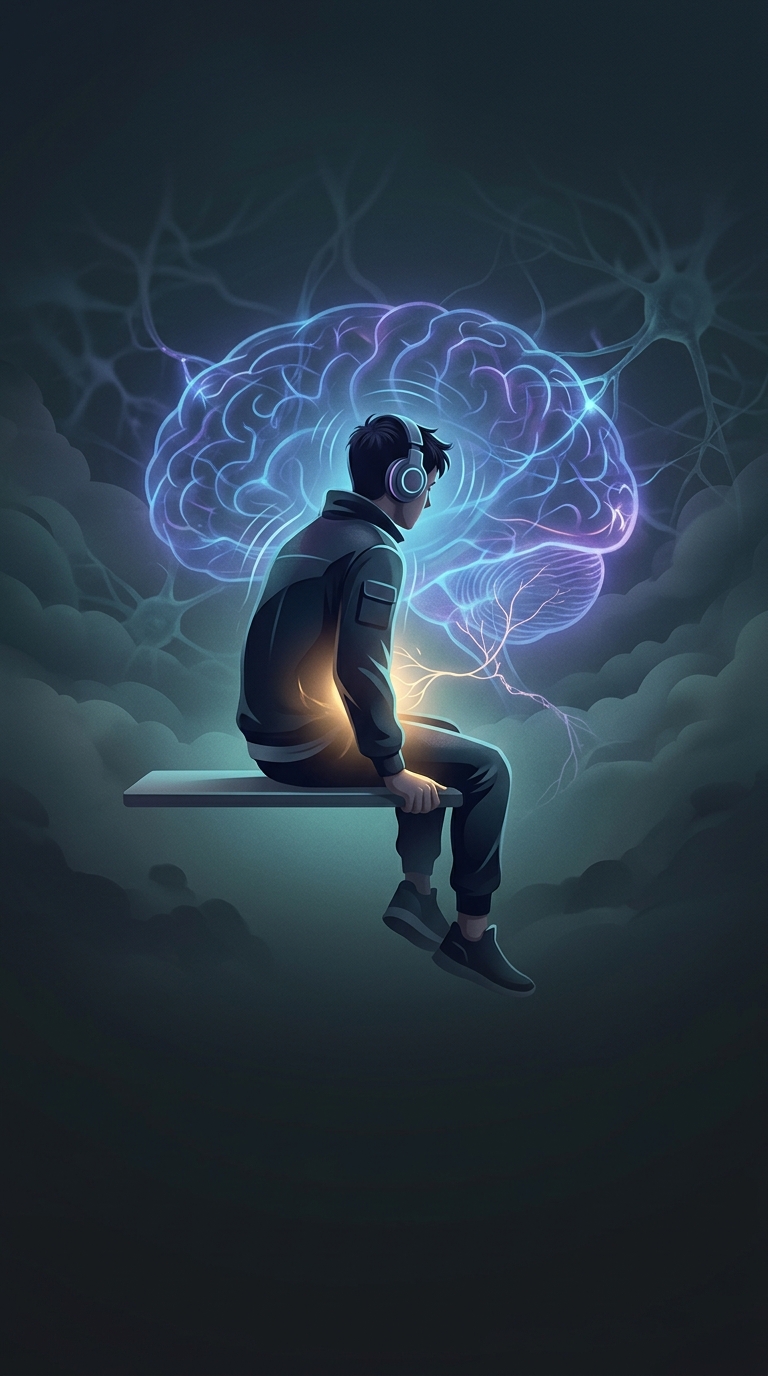
The distinction may lie in how the brain develops. In congenital blindness, the brain grows up without visual input, and regions normally devoted to sight can take on other jobs, including processing sound or touch. This early reorganization may change the way perception and reality-testing develop. Researchers have proposed that those changes could make some pathways involved in psychosis less likely to form in the usual way, but the reason for the pattern is not settled.
Blindness is not the same as immunity to unusual perceptions
People who are blind can hear voices or hold delusional beliefs, and vivid perceptions alone do not establish schizophrenia. A blind person may, for example, experience images or sensations as the brain adapts to the absence of sight; clinicians must consider the person’s history and the full pattern of symptoms rather than equating an unusual perception with psychosis.
The reported rarity applies most strongly to blindness present from birth, not to blindness acquired after visual development. It is a clue about how early sensory experience may shape the brain—not proof that congenital blindness makes schizophrenia impossible.