The tendon behind Achilles’ name
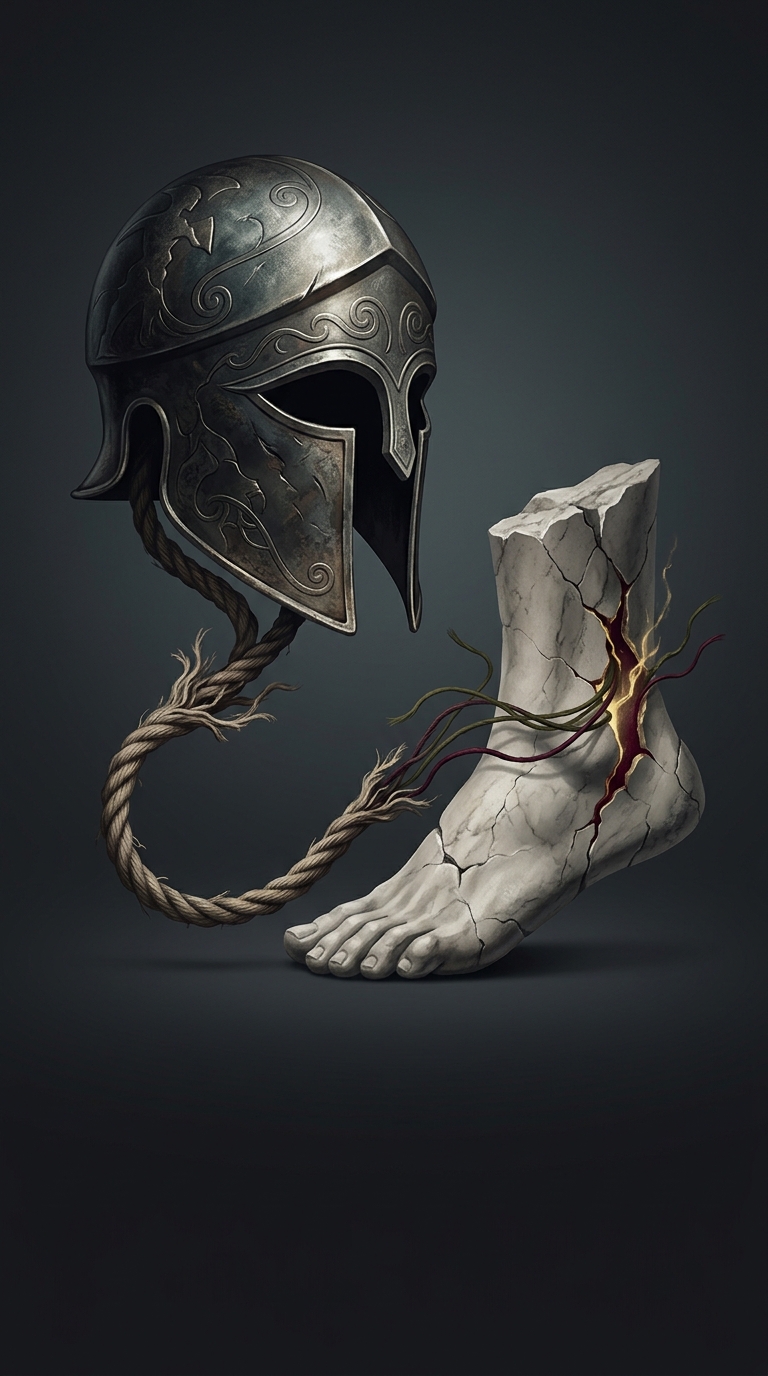
Brad Pitt’s injury on Troy created an unusually literal link between actor and character: while playing the Greek warrior Achilles, he tore the tendon named for that same hero. The Achilles tendon is the thick band of tissue connecting the calf muscles to the heel. It transfers the force of a step or push-off into the foot, making it essential for walking, running, jumping and fighting choreography.
Why one injury could halt a film
A full tear is not a minor on-set setback. When the tendon separates, the calf can no longer drive the foot normally, and ordinary movement becomes difficult. Recovery requires the tendon to heal and strength and mobility to be rebuilt; attempting demanding action work too soon risks further damage.
That matters especially in a historical epic. A lead actor’s scenes may involve running, charging and repeated combat movements, and they cannot simply be handed to another performer without disrupting continuity. If those scenes are central to the schedule, filming may have to pause while the actor recovers and the production rearranges its work.
A name with a mythic echo
The tendon’s name comes from the ancient story of Achilles, whose mother made him invulnerable by immersing him in the river Styx while holding him by one heel. That heel remained vulnerable. The tendon was named for the familiar mythic weak point—not because the ancient story described the anatomy.
Pitt’s injury made the name feel almost scripted: the actor playing Achilles damaged the structure associated with the hero’s vulnerable heel. On a production built around battle scenes, that coincidence had a practical consequence too: the body part most needed for movement became the reason the action had to wait.