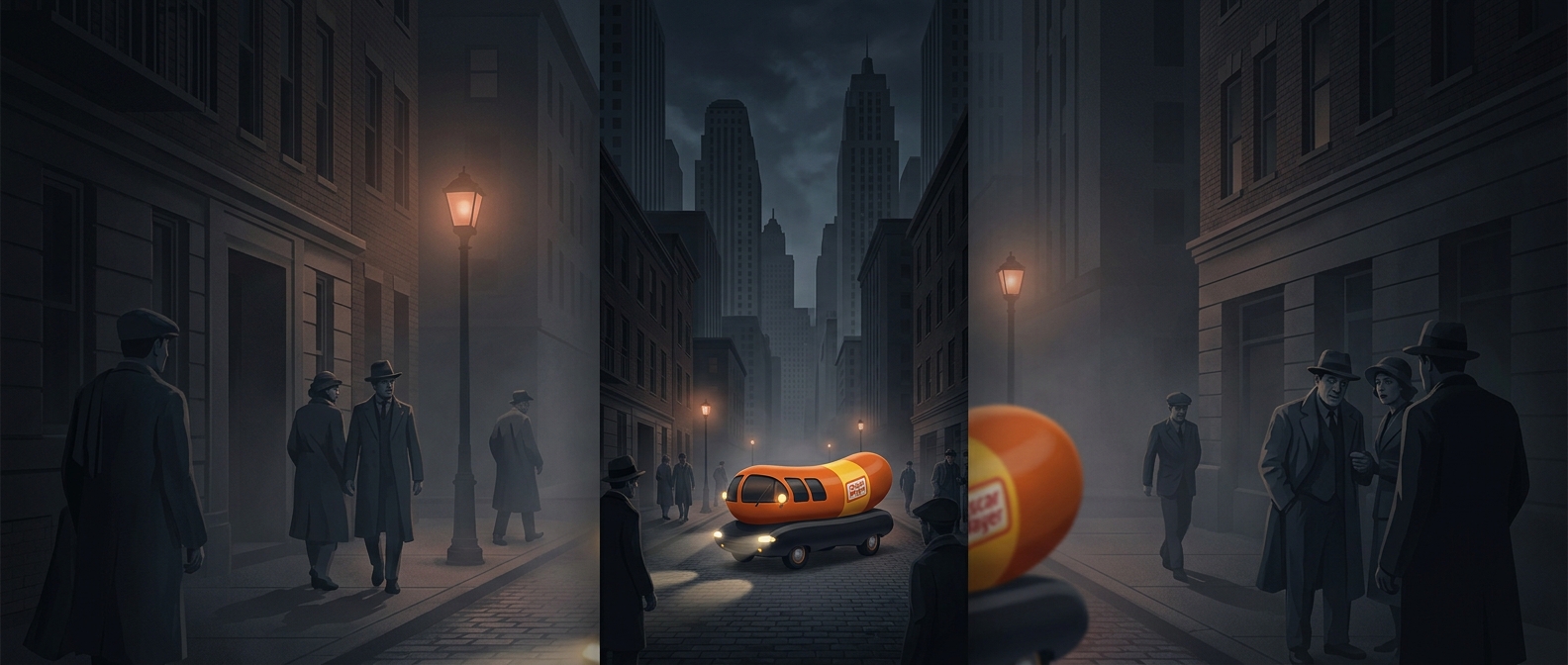
A spokesperson who cannot go off-script
A human spokesperson brings a life beyond the campaign: personal opinions, public behavior, and the possibility of becoming associated with a scandal. A fictional character has no independent life for audiences to discover. The brand can decide what the character says, where it appears, and how it responds, keeping the public-facing personality aligned with the product.
That control does not make a mascot risk-free. A character can become irritating, feel dated, or attract criticism for how it is portrayed. But the source of those problems is usually the brand’s own creative choices, rather than a spokesperson’s unrelated actions.
Turning a logo into a relationship
A logo identifies a company; a character can behave like one. It can tell jokes, react to events, and return across advertisements, packaging, games, or social media. Repeated encounters give audiences a recognizable personality to attach to the brand, making the message feel more like an interaction than a sales pitch.
This can be especially useful with younger audiences, who may respond to a memorable character more readily than to a company name or product claim. The character gives the brand a consistent, approachable face without requiring a real person to carry that identity.
The tradeoff: control versus authenticity
A fictional spokesperson offers reliability, but that reliability can also expose the construction behind the charm. If every appearance feels like a carefully managed advertisement, the character may seem less genuine. Brands therefore have to keep the personality engaging while making sure it still serves their message.
The mascot’s advantage is not simply that it avoids celebrity trouble. It lets a company build a familiar voice it can keep using—and revise—without asking a human being to remain the same person in public.