How a tiny slowdown becomes a traffic jam
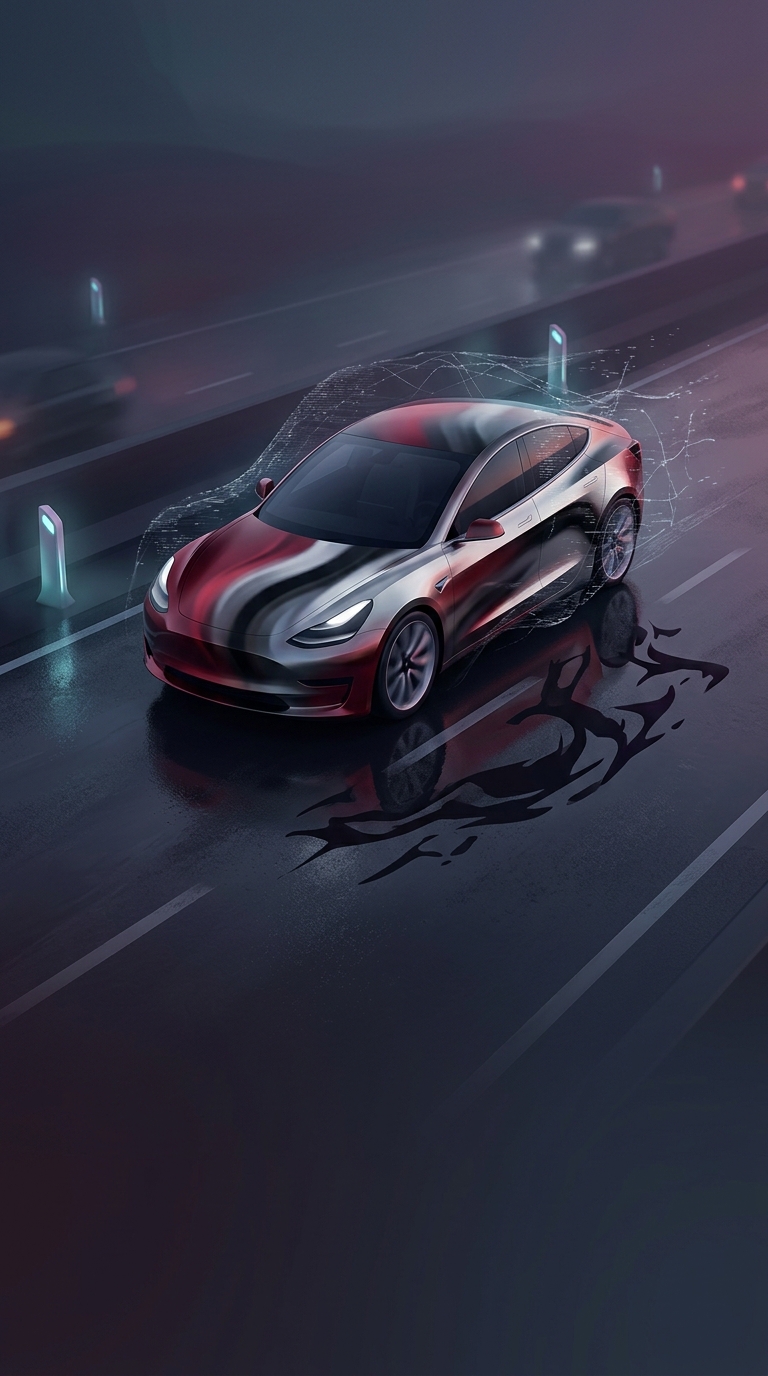
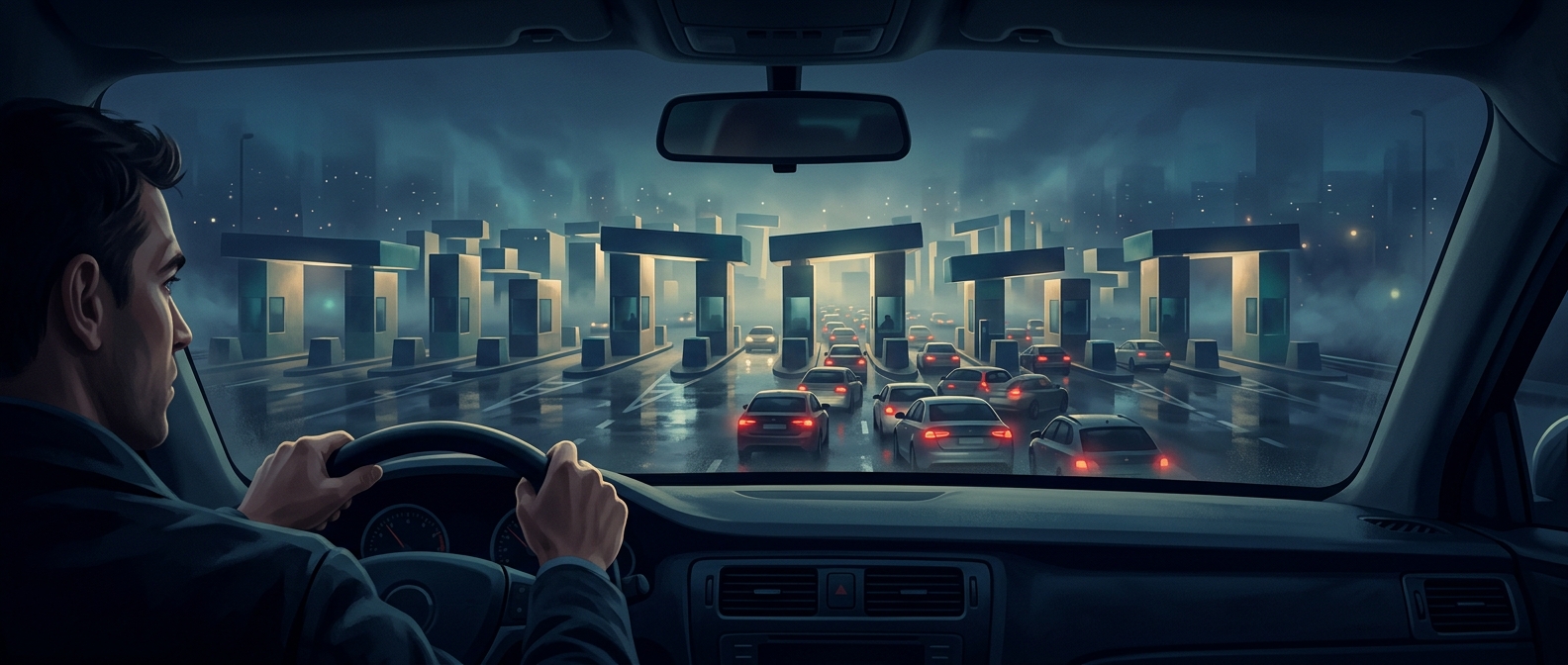
A driver taps the brakes because the car ahead slows slightly. The next driver reacts a moment later, braking a little harder; the driver behind does the same. In heavy traffic, where cars are close together and there is little room to absorb changes in speed, that small disturbance can grow until vehicles come nearly to a stop.
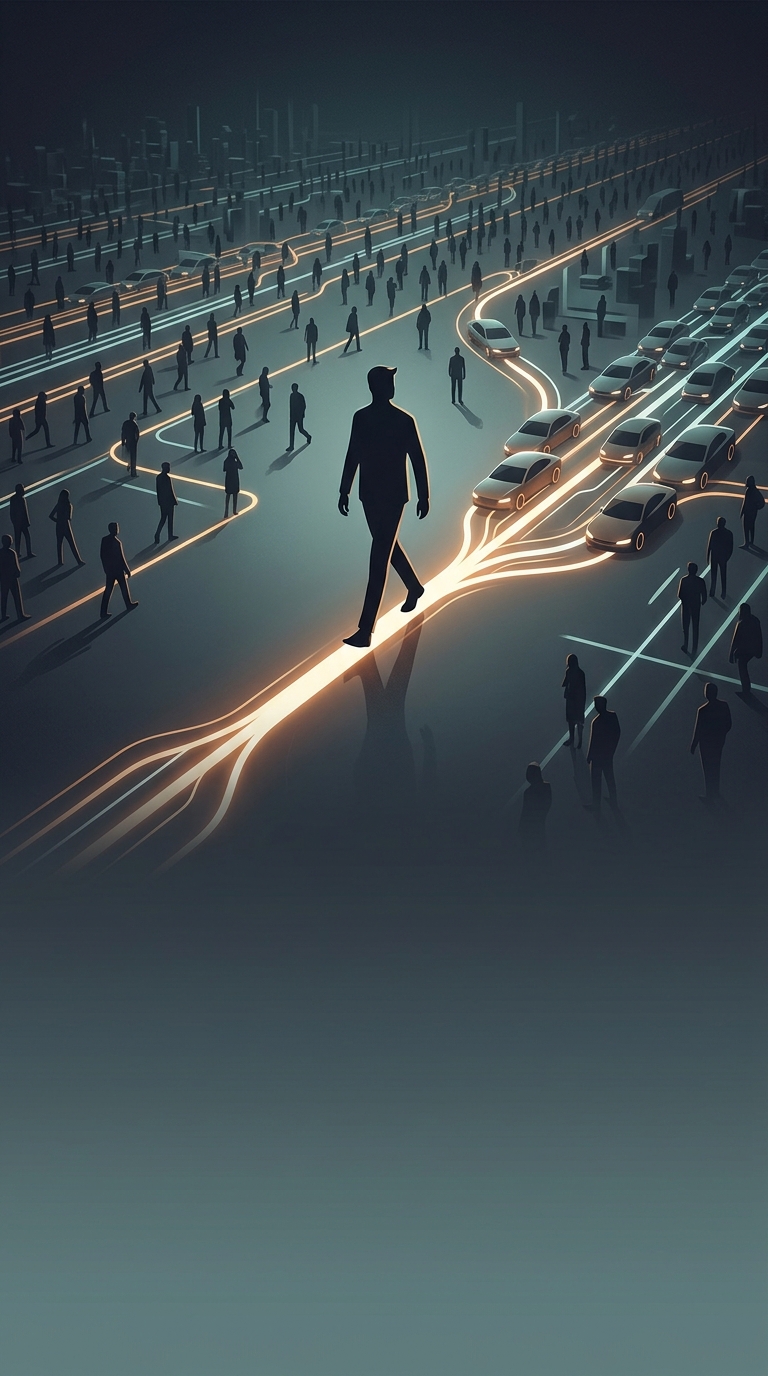
The slowdown then travels backward through the line of cars, even as each car continues moving forward. This moving wave is sometimes called a phantom traffic jam: the queue has no single obstacle at its front. Once the wave passes, traffic may speed up again, leaving drivers wondering what they stopped for.
Why the wave can persist
Cars do not respond instantly, and drivers leave different amounts of space. When traffic is dense, one late or sharp brake can force several vehicles behind to slow more than the original car did. Those drivers then need extra room to accelerate again, so the line takes time to recover.
Lane changes can add disturbances, too. A car merging into a short gap may make another driver brake, setting off the same chain reaction. None of this requires a crash, roadwork, or a permanent bottleneck; ordinary variations in speed can be enough when the road is crowded.
Keeping a steady speed and leaving a generous following distance gives small fluctuations more room to fade instead of amplifying. But once a braking wave has formed in dense traffic, the cars at its tail can be stopped long after the original slowdown is gone.