A meter records a parking session, not a balance
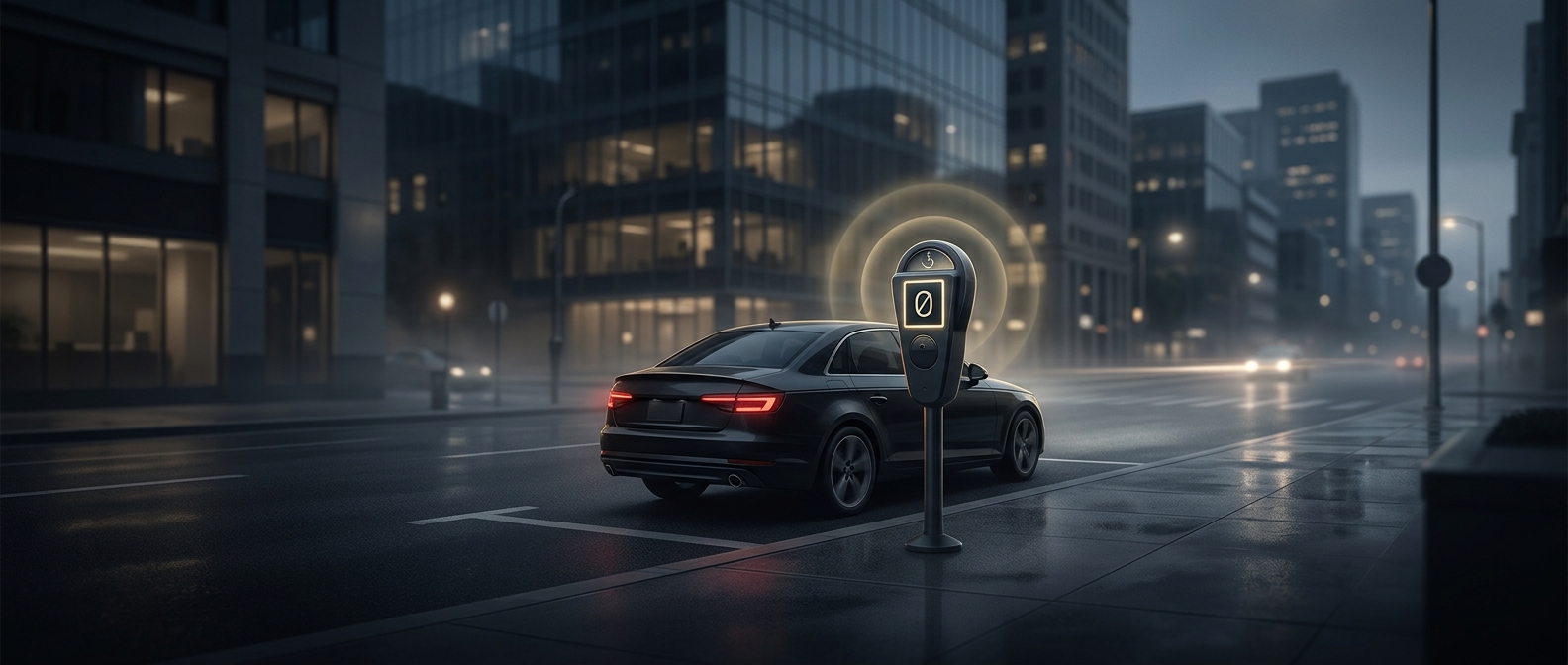
A parking meter’s job is to enforce a time limit on a space. Payment starts a session that runs until a set deadline; it does not buy a transferable stash of minutes. When a car pulls away, the session ends, even if time remains on the display.
That distinction matters because the rule applies to the space, not merely to whoever paid. If a new driver could inherit the first driver’s unused time, a sequence of quick handoffs could keep a curbside spot occupied far beyond its intended limit. Resetting the meter gives the next driver a fresh session under the posted rules.
Why the clock resets when the car changes
The meter is an enforcement tool as well as a payment device. It helps limit how long one vehicle can occupy a busy space, encouraging turnover so other drivers have a chance to park. A paid balance that followed the space would make the deadline depend on how much time the previous driver happened not to use.
Modern meters may track sessions electronically, while older ones use mechanical timers, but the practical logic is similar: a payment authorizes parking for a defined period. It does not reserve the space after the paying vehicle leaves. Unused time belongs to the ended session, not to the curb.