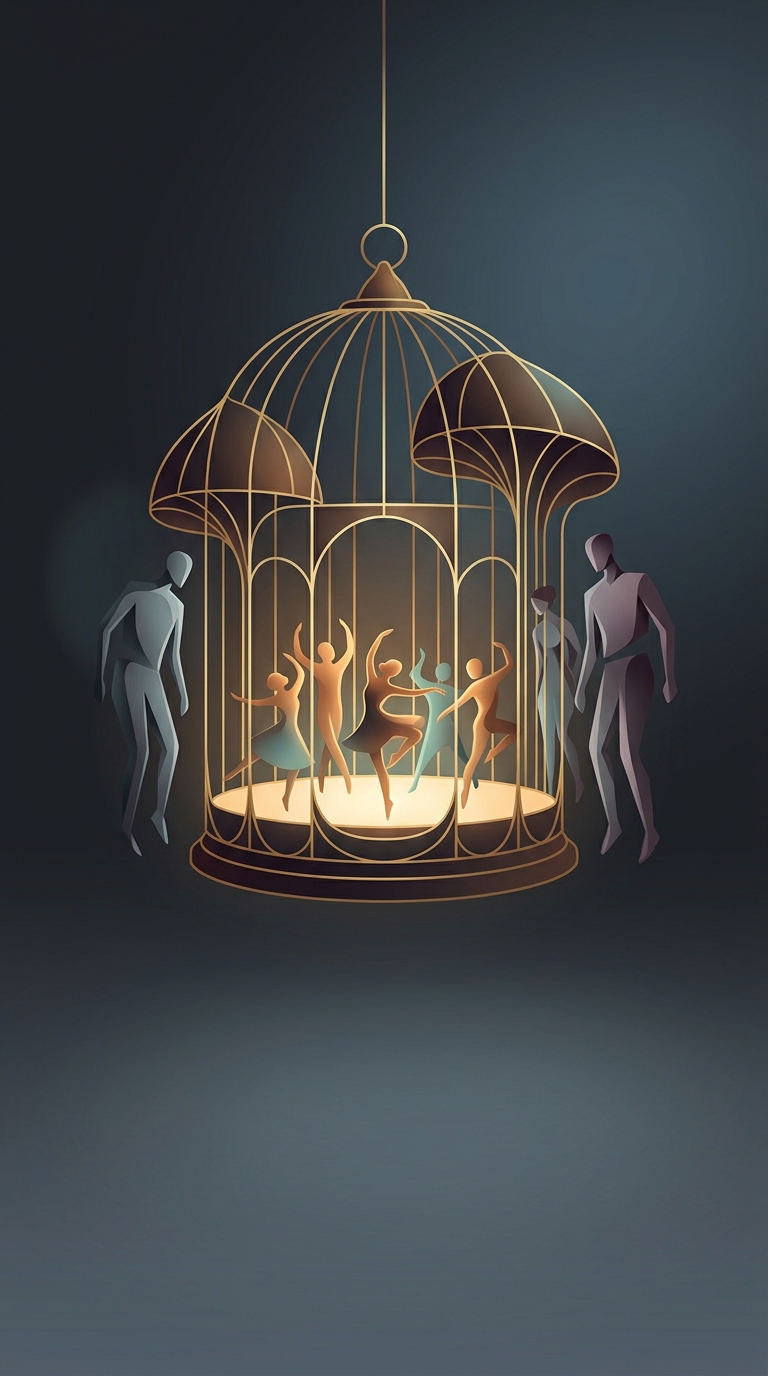
When a workplace becomes part of the show
At the Kingdom of the Little People, employment and entertainment are built into the same setting. Visitors encounter a storybook-style village, while the people who work there perform as part of its daily attraction. That arrangement makes the park more than a place to watch a show: the workers’ bodies and identities are central to the experience being sold.
The model can also offer something practical. Park management says employees receive stable work and housing—benefits that can matter when accessible jobs and secure accommodation are hard to find. For workers, a regular paycheck and a place to live may be meaningful advantages, not merely details of the park’s marketing.
The tradeoff behind the fairy-tale setting
The same structure raises questions about who controls the terms of the work. Human rights groups have criticized the park as exploitative, focusing attention on the difference between choosing a job and being presented primarily as a spectacle. Relevant issues include whether employees can freely accept or leave the work, how much say they have in their roles, and whether the setting narrows them to a single public identity.
Those questions cannot be answered just by looking at the costumes or the village. Nor does the park’s promise of housing and stable employment settle them. The central tension is that the attraction may provide real economic support while also turning a group’s physical difference into its defining entertainment value. That is why a visit can feel like a whimsical performance to one person and prompt questions about dignity and agency to another.