Why a Short Visit Can Sustain a Long-Term System
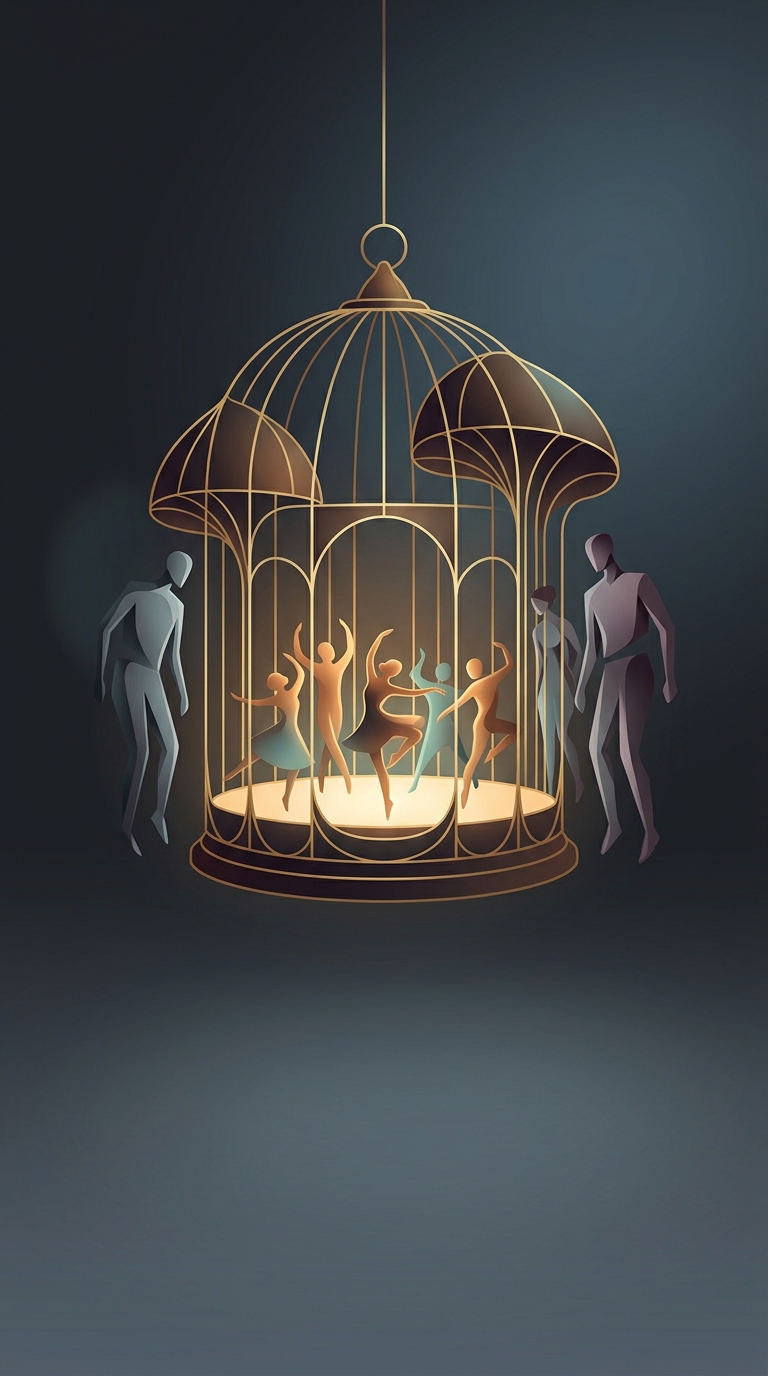
An orphanage visit may look like a simple exchange: a traveler offers time, and children receive attention. But when institutions depend on visitors, the arrangement can create an incentive to keep children available for visits—even when family-based care would better serve them. Fees, donations, and publicity can help make an institution financially valuable to the adults running it.
That incentive does not prove every institution is exploitative, or that every child shown to visitors has been separated from family improperly. The concern is structural: tourism can reward institutions for presenting children as an attraction, while leaving travelers with little ability to judge how the placement affects a child’s life.
The Cost of Repeated Goodbyes
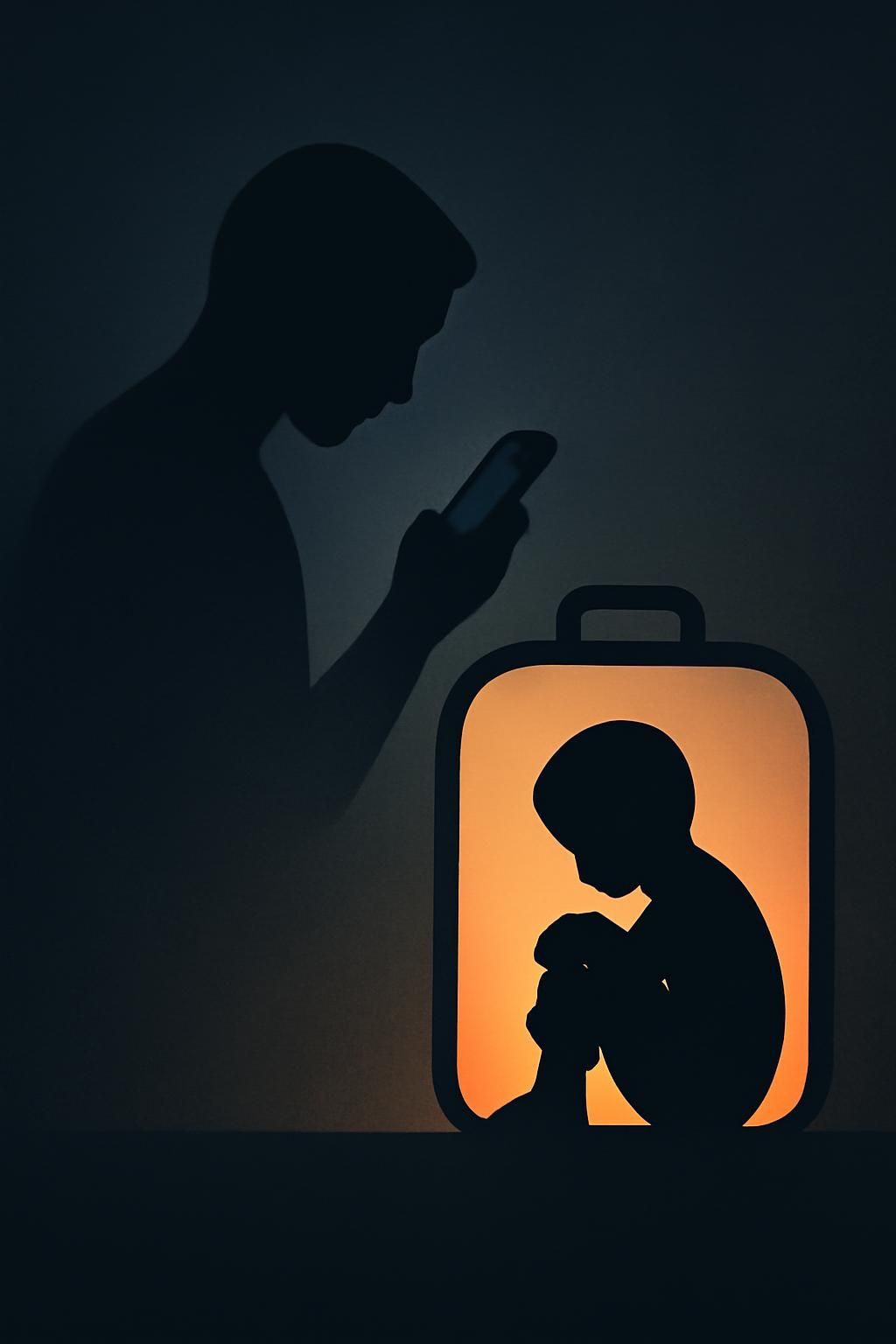
Young children build trust through dependable relationships. A familiar caregiver learns how a child signals hunger, fear, or comfort, and responds consistently. A visitor who stays briefly may offer warmth, but then disappears; another arrives, and the cycle begins again. For a child already coping with separation, repeated changes can make it harder to rely on adults.
The effect is not that one friendly encounter inevitably causes lasting harm. It is that a revolving door of adults cannot provide the continuity children need, and the visit may satisfy the traveler’s wish to help more than the child’s need for stable care.
Help That Does Not Make Children the Attraction
Travelers can look for ways to support children without entering residential institutions or taking part in photo opportunities. Local organizations working on family support, education, or child protection may offer more appropriate avenues, though their practices still merit scrutiny. Donations should go through accountable groups, and visitors can ask whether a program prioritizes keeping families together and protects children’s privacy.
A useful test is whether the help would still make sense if no tourist ever saw the children. If the answer is no, the visit may be serving the visitor—and the institution’s demand for visitors—more than the child.