The jukebox that played a film
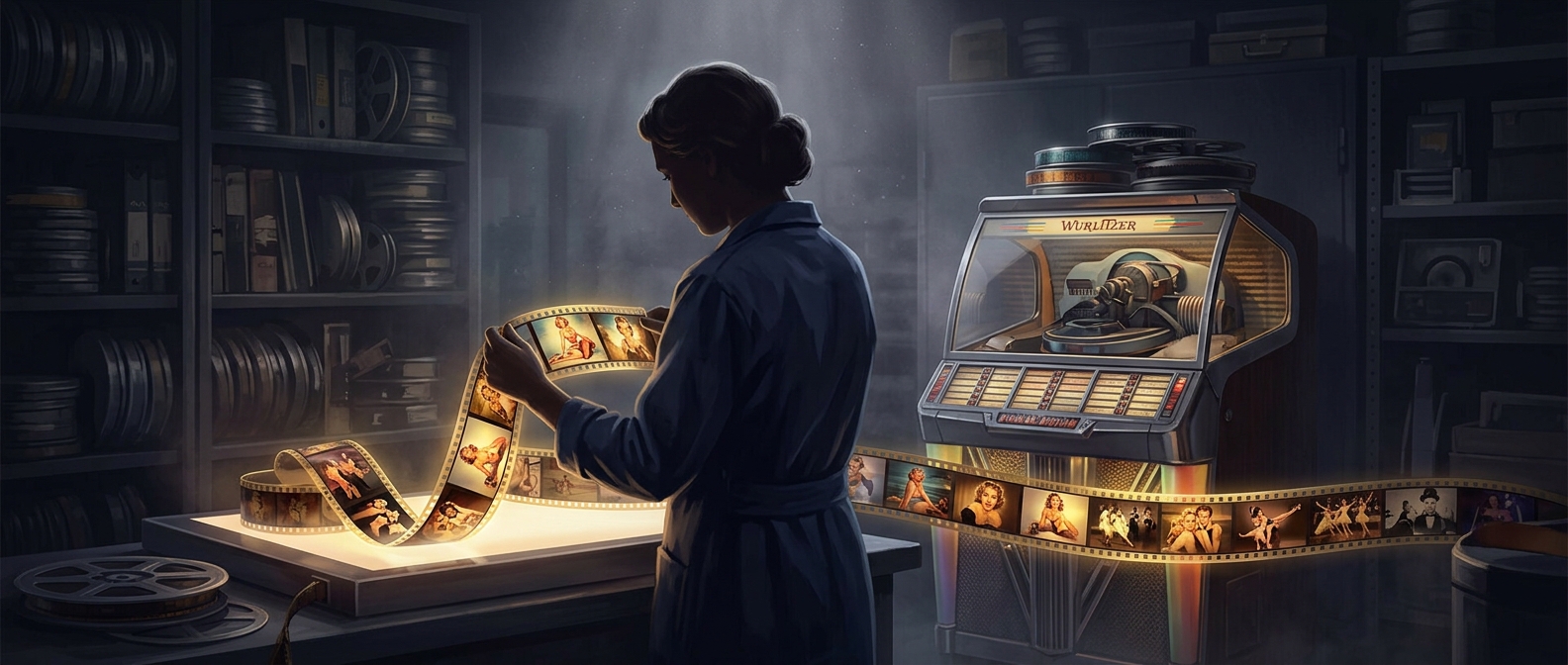
Long before music videos had a television channel, the Scopitone brought them into bars one selection at a time. A customer chose a song on the machine, and an internal projector showed a short color film while the music played. Unlike a regular jukebox, it sold not just a recording but a small spectacle: performers acted out or danced to the song on a screen.
The format depended on specialized equipment. A 16mm projector and a collection of film reels had to fit inside a coin-operated cabinet, and the picture and soundtrack had to stay in sync. That made a Scopitone more expensive and demanding to maintain than a record player—but also gave patrons a reason to gather around it.
Why bar owners—and mob-connected operators—were interested
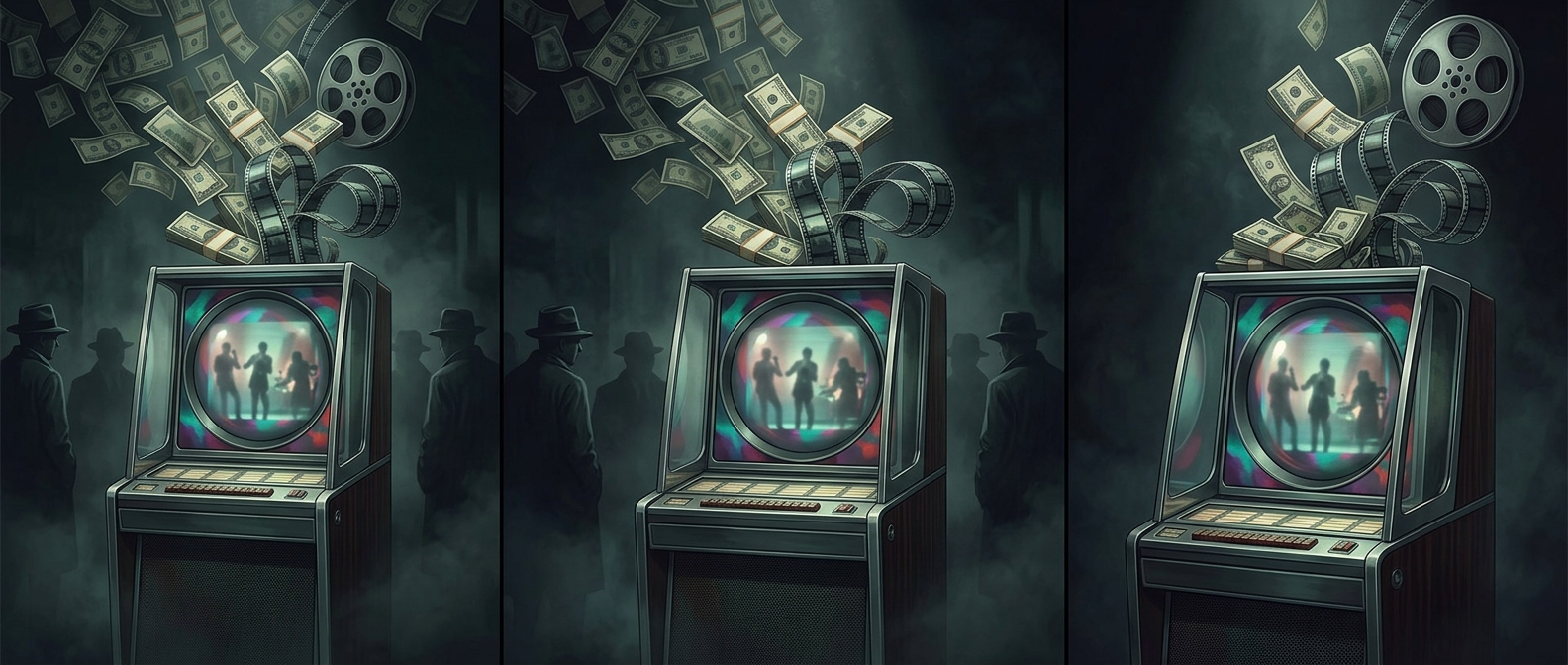
A machine in a bar could earn money directly from customer selections. Its film choices also offered a steady visual attraction in a place where people were already lingering. In some American markets, organized-crime-connected operators helped finance or distribute Scopitones, linking the machines to the same cash-based nightlife businesses that could host them.
That backing mattered because the Scopitone was not simply a film novelty. It needed machines placed in venues, a supply of new films, and regular upkeep. Operators who already had access to bars and their customers had a practical advantage in building that network. The business tied together entertainment, equipment, and the economics of keeping patrons inside.
A precursor, not a television revolution
Scopitones offered an early commercial model for matching popular songs with moving images, but they were limited by where the cabinets could be installed and by the cost of producing and maintaining them. Television later made music videos available to far larger audiences without requiring each venue to own a projector-jukebox.
The striking part is how local the pre-MTV experience was: a song’s images appeared only when someone paid for them, in a particular bar, on a machine whose success depended as much on distribution and venue access as on the performers onscreen.