Why a book could consume a flock
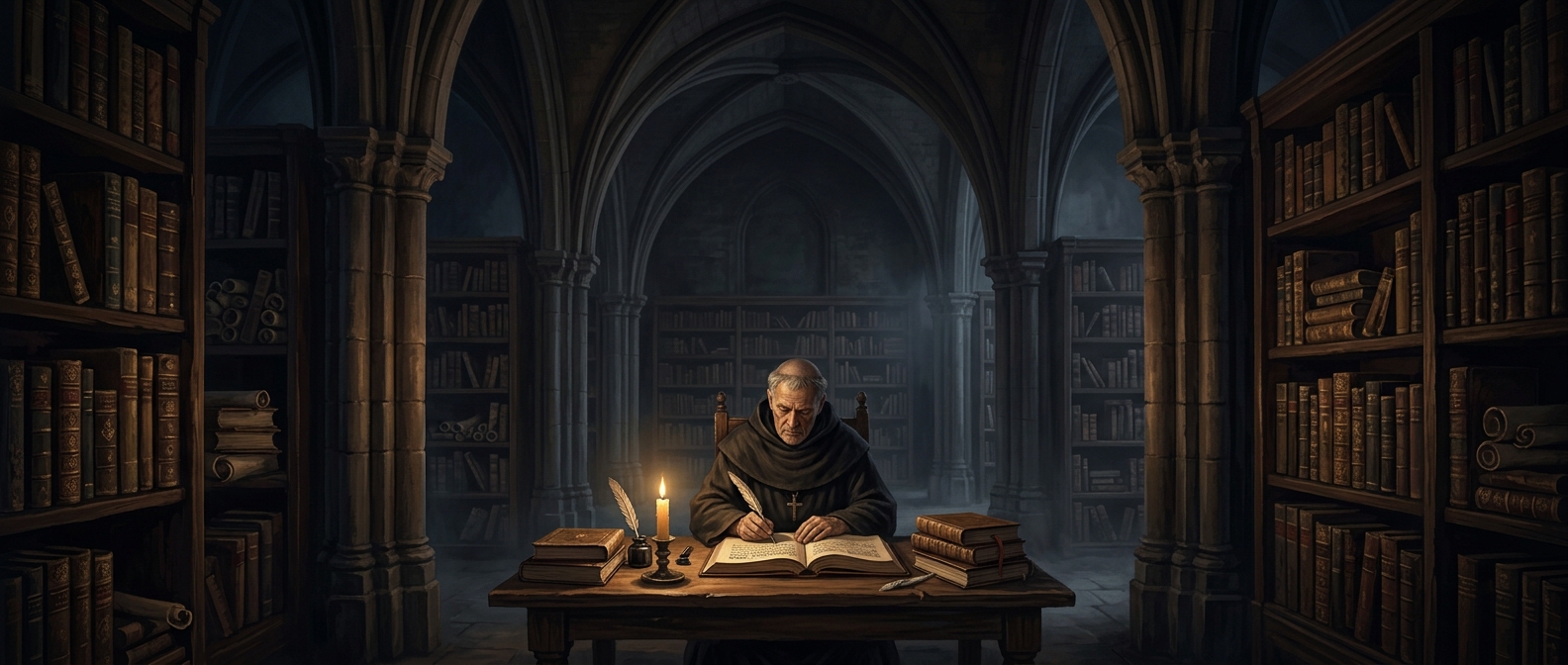
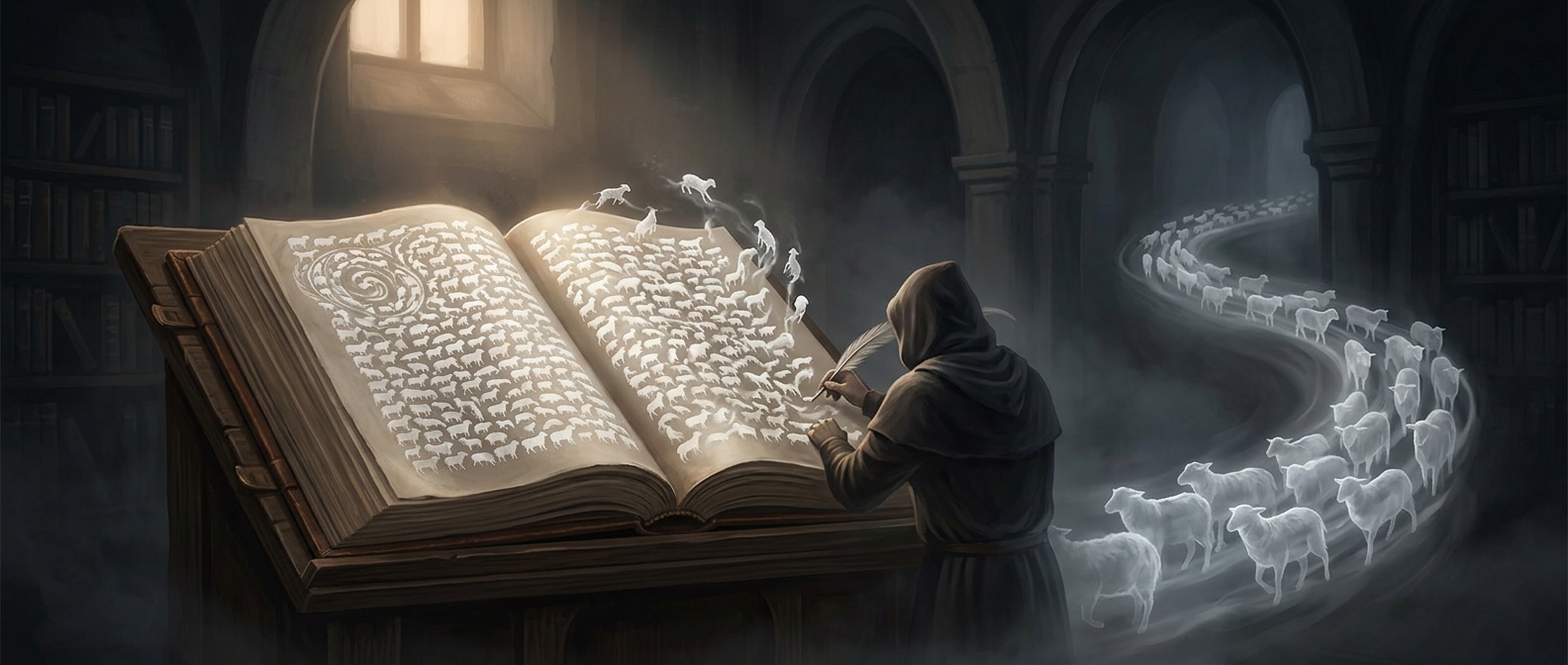
A medieval manuscript’s pages were often made from parchment, commonly called vellum when it came from calfskin. Making a large book took far more than one hide: a skin provided only a limited, uneven writing surface, and the usable area shrank further when makers cut around holes, scars, and thin spots. A substantial illuminated volume—one decorated with painted initials or pictures—could therefore require skins from hundreds of animals.
Turning a hide into a page
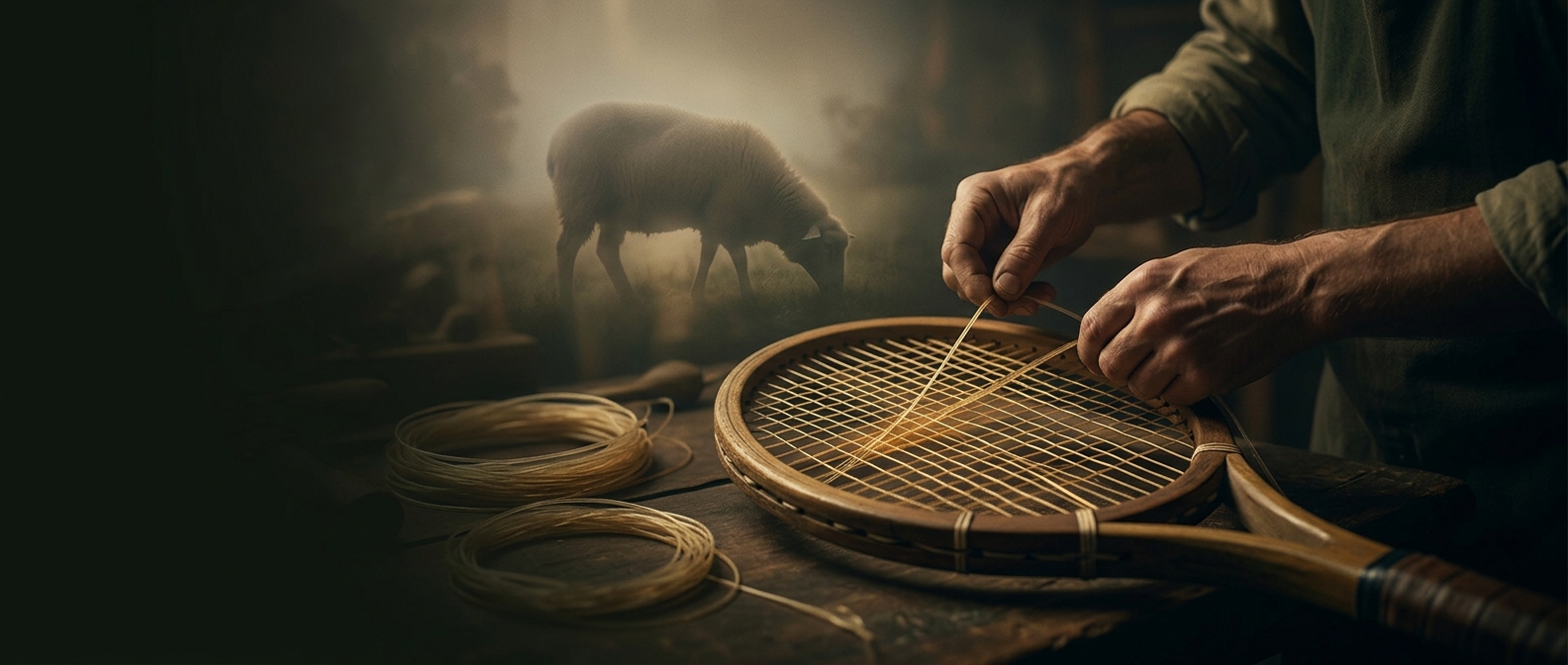
The skin had to be prepared before anyone could write on it. Workers soaked it to loosen the hair, scraped it clean, then stretched it on a frame to dry under tension. Scraping and smoothing produced a surface that could take ink; the finished sheet was often trimmed into a regular shape. Unlike paper made in sheets from pulp, parchment retained traces of the animal’s body: thickness, texture, and imperfections could vary across a page.
A book’s pages were made by folding large sheets and gathering them into sections. Because parchment could be written on both sides, each skin yielded several page surfaces, but not an unlimited number. The dimensions of the book, the quality of the hides, and how much waste was cut away all affected the final tally.
The cost hidden in the decoration
The animals were only one part of the expense. Preparing the skins took skilled labor, and a richly decorated manuscript also demanded time from scribes and painters. The physical scale of such a book thus reflected a chain of work—from hide preparation to careful writing and painting—not simply the number of words it contained. Its pages were, quite literally, a record of the animals and labor needed to make knowledge durable.