A broadcast tape was not a home-video release
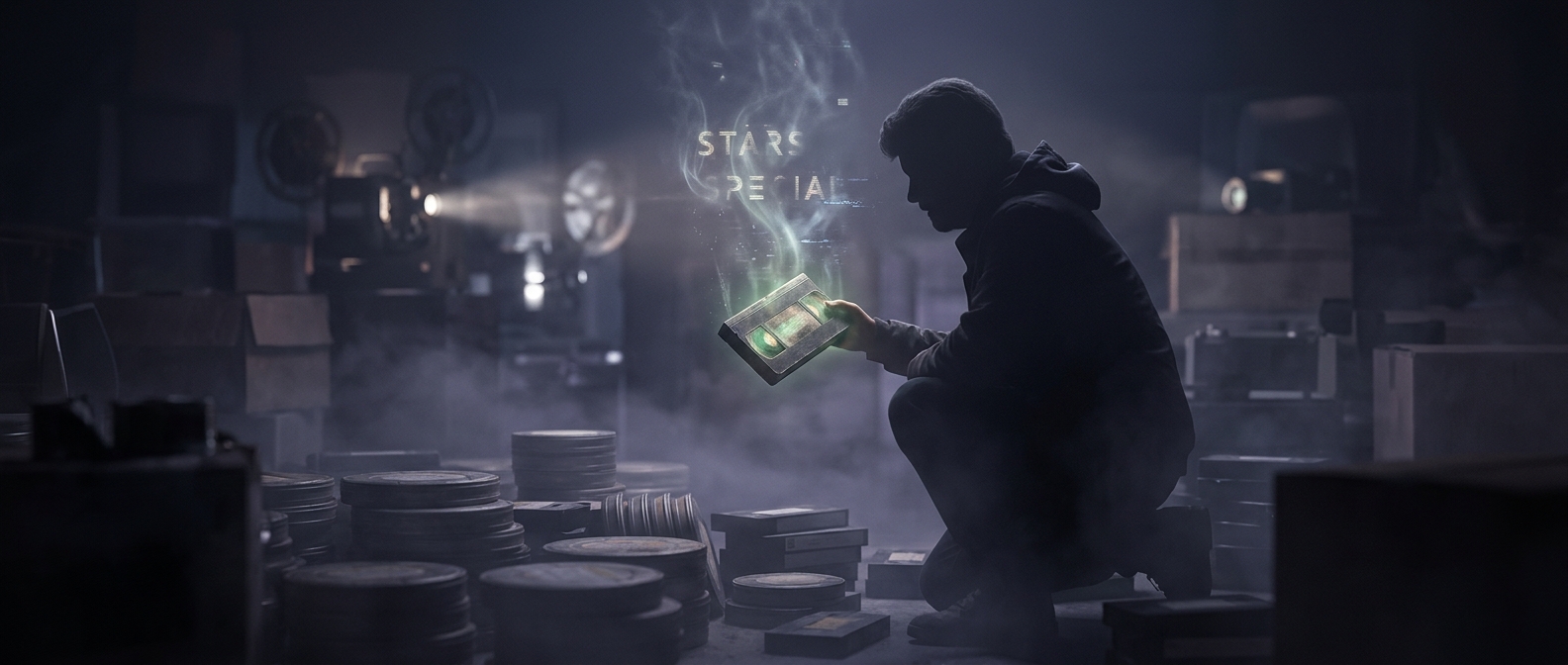
U-matic was a professional videotape format used by television stations, not the kind of cassette most viewers could play at home. A station’s U-matic copy could therefore preserve a broadcast even when the program never became an officially distributed video. Keeping the tape mattered: once a broadcast passed, there was no public retail copy to replace it.
How the special moved from tape to bootleg
The preserved tapes became a starting point for unofficial VHS copies. VHS was designed for consumer video players, so copying the program onto VHS made it easier to watch and pass along outside a TV station. Each copy could be made from another copy, allowing the special to circulate without an official syndication or home-video release.
That route also carried a cost: analog copying can soften the picture and add noise, especially across repeated generations. A bootleg was not a pristine substitute for an authorized release; it was a way to keep the program viewable at all.
A fragile kind of survival
The special’s afterlife depended on a chain of ordinary acts: technicians retaining station tapes, someone making consumer-format copies, and viewers passing them on. Because that chain was unofficial, access was uneven and copies could vary in quality. The same absence of an official release that helped bury the program also made those surviving tapes unusually important: they were the source from which its underground VHS life could grow.