How Twilight Turned Bad Reviews Into Box-Office Momentum
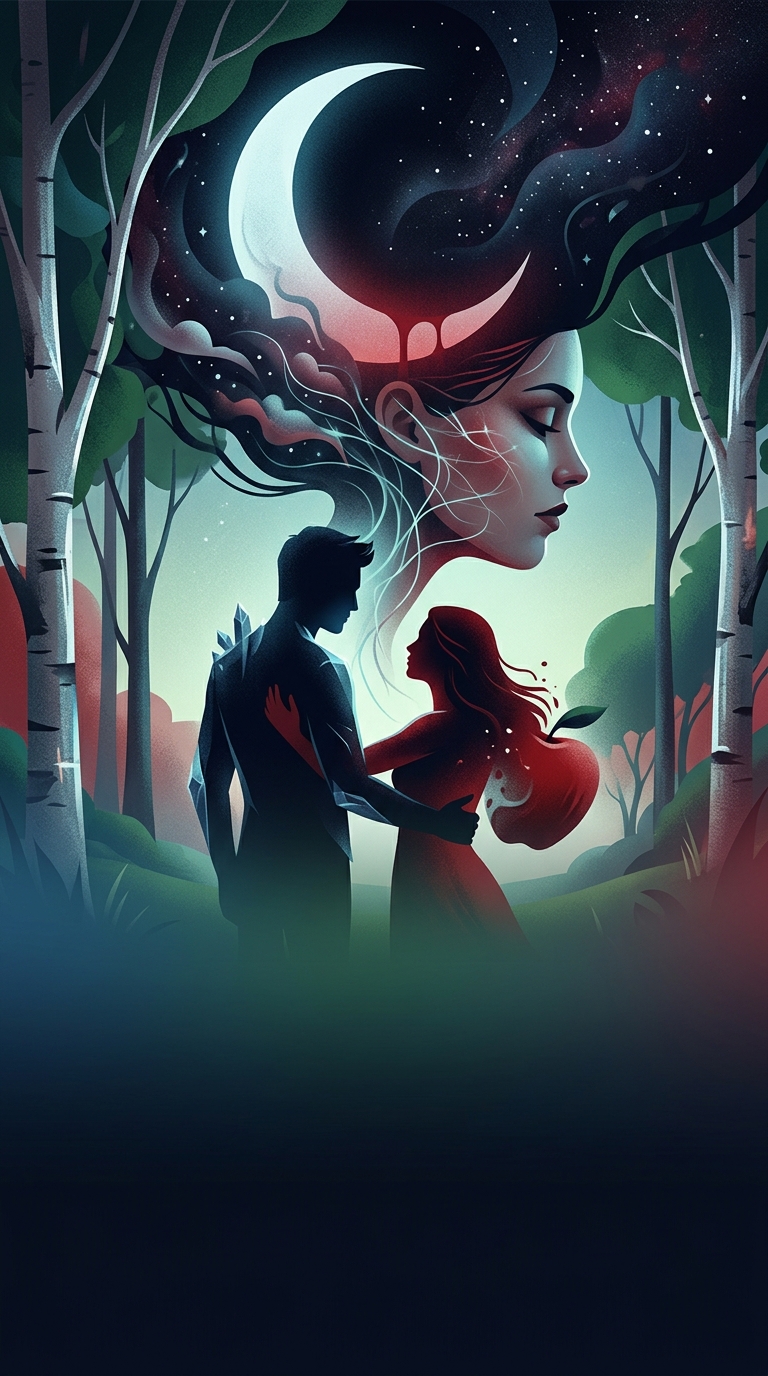
The gap between Twilight’s reviews and its commercial success makes more sense when the film is viewed not just as a standalone movie, but as an adaptation of a hugely popular book series. Readers already cared about Bella and Edward, and the movie offered them a chance to see the characters and romance brought to life. That built-in audience gave the release a head start that a story without an established following would not have had.
A Conversation That Reached Beyond Critics
Negative reviews can shape how a film is discussed without determining whether people go to see it. The film’s stiff performances, blue-tinted look, and uneasy romantic scenes became easy targets—and easy subjects for conversation. For fans, those choices could still be part of the appeal: the adaptation gave them material to debate, compare with the books, and share with other viewers. Curiosity and fandom can bring people to a theater even when critical approval is scarce.
From One Film to a Franchise
The worldwide box office gave the studio a clear reason to continue the story. A successful first installment can turn an existing readership into a broader moviegoing audience, while each sequel keeps the characters and their conflicts in public view. Twilight therefore did not need reviewers to agree that it was well made in order to become a major commercial property. Its lasting lesson is that critical reputation and audience demand measure different things—and, in this case, the audience was large enough to carry the series forward.