How Nylon Filaments Mimic a Sable Brush
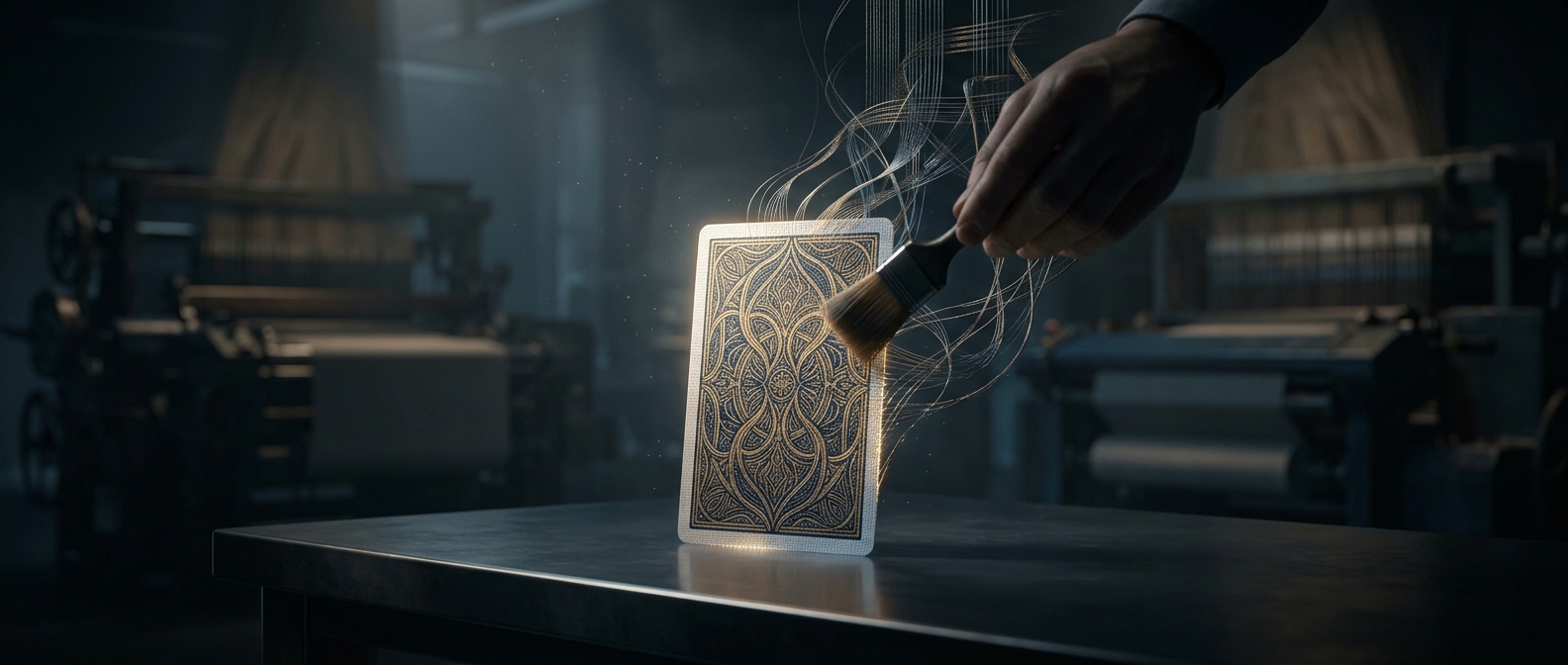
A synthetic sable brush is built from many fine nylon strands gathered into a point. The challenge is not simply making the strands soft: a useful brush must bend under pressure, spring back toward its shape, and carry paint to the surface in a controlled way.
That control comes from the bundle as much as from any single filament. Paint sits in the narrow spaces between strands, where surface tension helps hold the liquid until the brush touches paper or canvas. The strands flex together as the artist presses, then recover as pressure eases. By adjusting filament thickness, stiffness, and how the bundle is arranged, a brush maker can tune that response.
The Tradeoff Behind the Imitation
Real animal hair has a naturally complex structure, so copying its behavior with manufactured fibers is a design problem. Nylon offers consistency and can be made in uniform strands, but it does not behave exactly like hair. A synthetic brush therefore aims for a useful working feel—not a literal reproduction of every natural feature.
For an artist painting a small edge or detail, that distinction is practical: the brush’s bend and return help determine whether a stroke stays fine or spreads as the hand presses. The “sable” in synthetic sable describes the performance being imitated; the tiny hairs themselves are plastic filaments.