A skyscraper turns ordinary services into vertical logistics
In a tower this tall, even routine plumbing becomes an engineering problem. Wastewater from sinks and toilets flows through vertical drain pipes, but it cannot simply drop unchecked from the upper floors: the system must control pressure, keep drains ventilated, and prevent odors from traveling back into rooms. Pumps and maintenance access help make that network work across a building whose floors are separated by hundreds of meters.
The elevator story points to a broader reality: towers need service routes as well as passenger lifts. Staff, equipment, and building supplies must move through the structure without disrupting residents and visitors. The challenge is not just getting people up; it is keeping every supporting system running at every height.
Why sunset arrives later upstairs
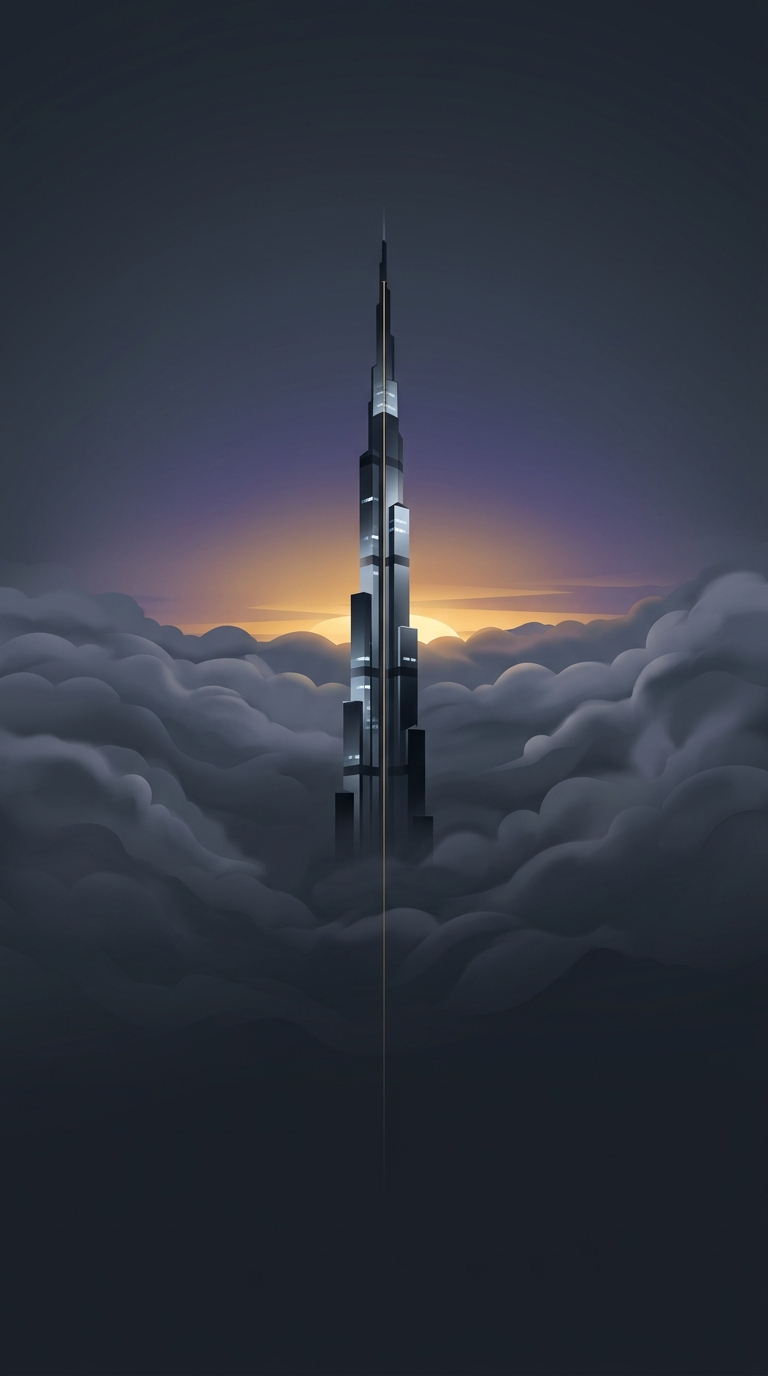
Sunset is also a little different at the top. From a high floor, an observer can see farther toward the horizon than someone standing at street level. Because Earth curves away beneath that line of sight, the Sun may remain visible upstairs after it has disappeared for people below.
That difference matters during Ramadan, when Muslims fast from dawn until sunset. The relevant sunset can depend on where the observer is: someone high in the tower may still see direct sunlight while the streets below are already in evening shadow. The delay is brief, but it is a striking reminder that a building tall enough to change a city’s skyline can also change what its occupants see—and when they see it.