From leaked file to theater curiosity
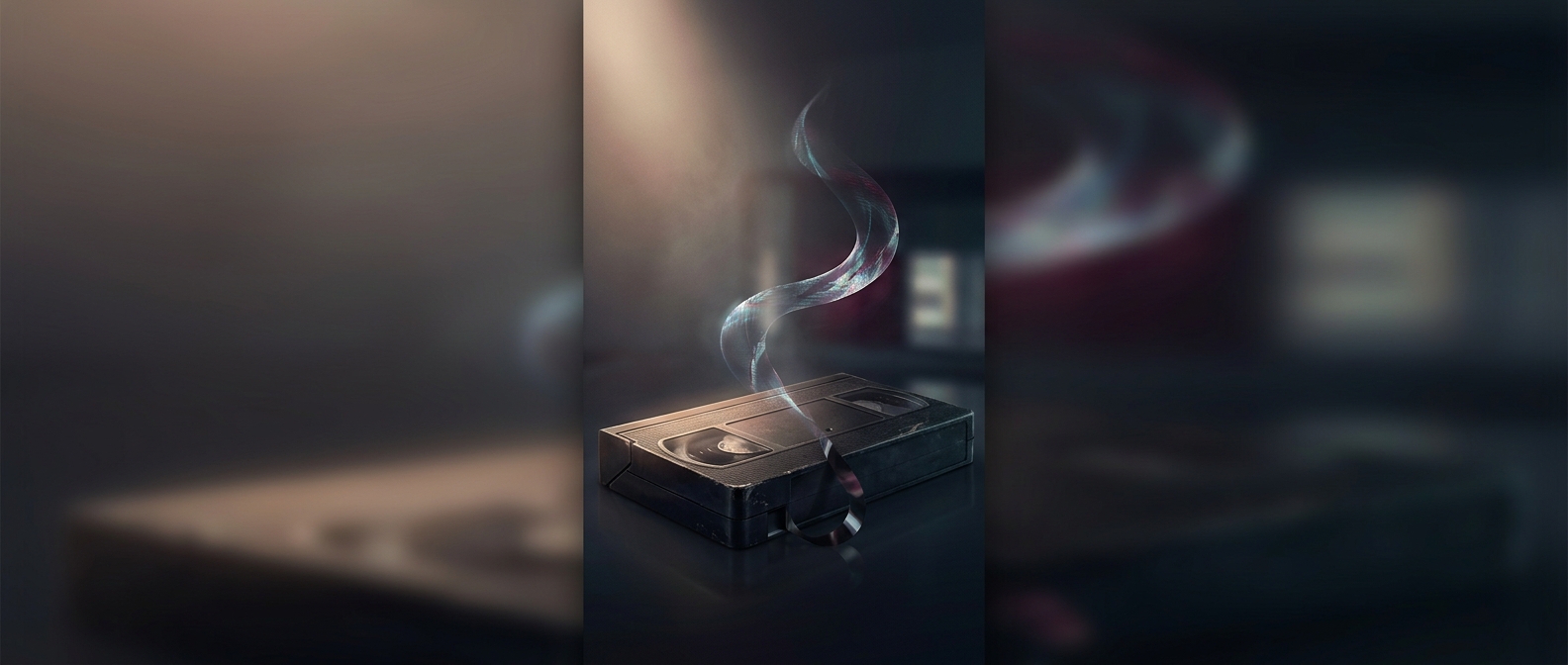
A piracy leak usually looks like a straightforward loss: viewers can watch without buying a ticket. But for an obscure film, the larger problem may be getting anyone to notice it at all. In this case, a copy circulating through TikTok put the movie in front of people who might never have encountered its small-budget release otherwise.
The platform mattered because a film can travel there in fragments. Clips and reactions give viewers a taste, while comments and shares turn the question of what the movie is into a conversation. That attention can reach people beyond the original audience—and make a theatrical screening feel like something to seek out rather than just another title in a catalog.
Why the distributor did not simply shut it down
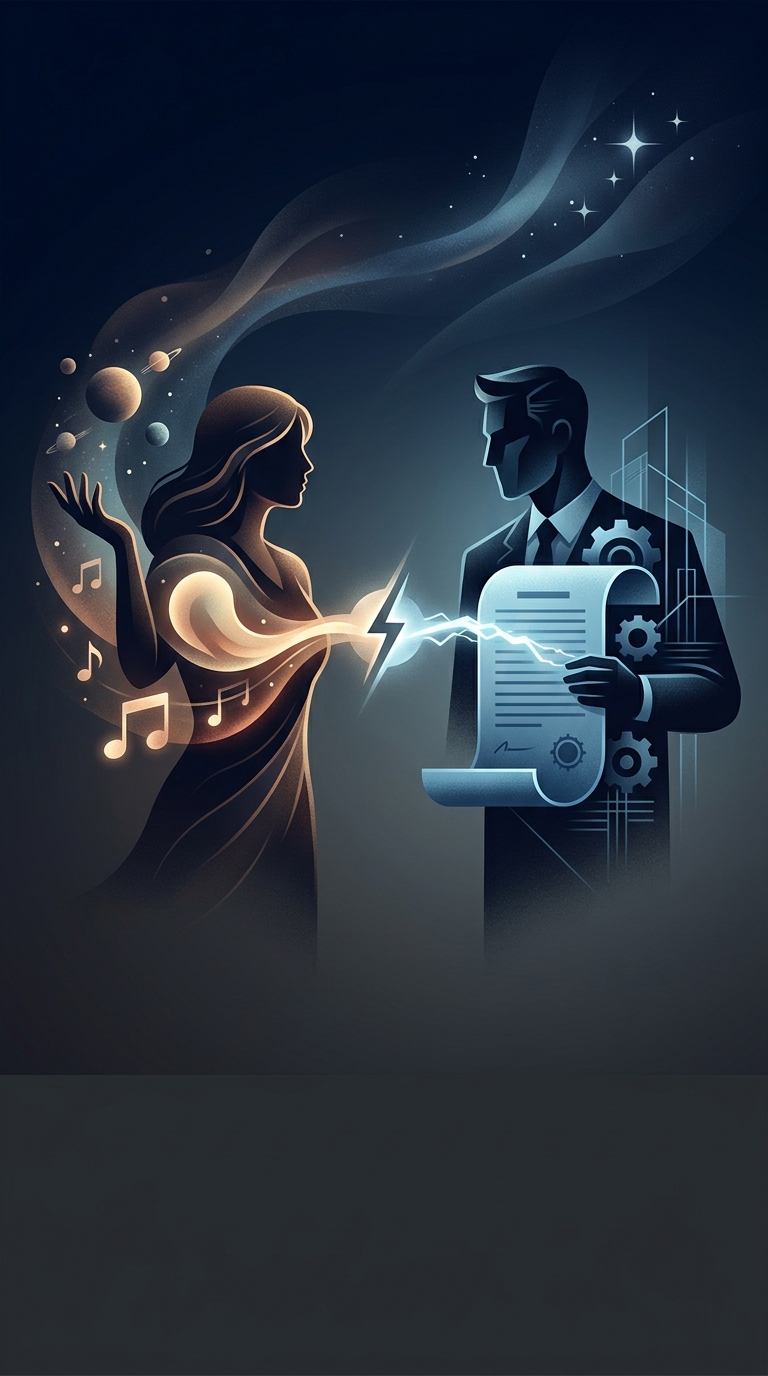
Takedowns might have limited unauthorized viewing, but they also risked interrupting the film’s sudden circulation. The distributor instead treated the online attention as promotion. That choice did not make piracy harmless: some viewers may have watched the leaked copy instead of paying. It was a bet that the added visibility could bring enough new interest to outweigh that loss.
The eventual box-office result shows that the leak did not prevent the film from finding paying audiences; it does not, by itself, prove that piracy caused the success. The more revealing point is the tradeoff: when a little-seen film unexpectedly becomes a topic online, enforcing control and encouraging discovery may pull in opposite directions. Here, the distributor chose to let the conversation travel—and the film went on to earn more than $2 million in theaters.