The ground acts as a seasonal heat reservoir
Buried pipes alone do not heat or cool a building. They form a closed loop connected to a ground-source heat pump—a machine that uses electricity to move heat from one place to another. In winter, the fluid returns from the ground warmer than the cold outdoor air, and the heat pump concentrates that warmth enough to heat indoor air or water. It still needs electricity, but it moves heat rather than making all of it from scratch.
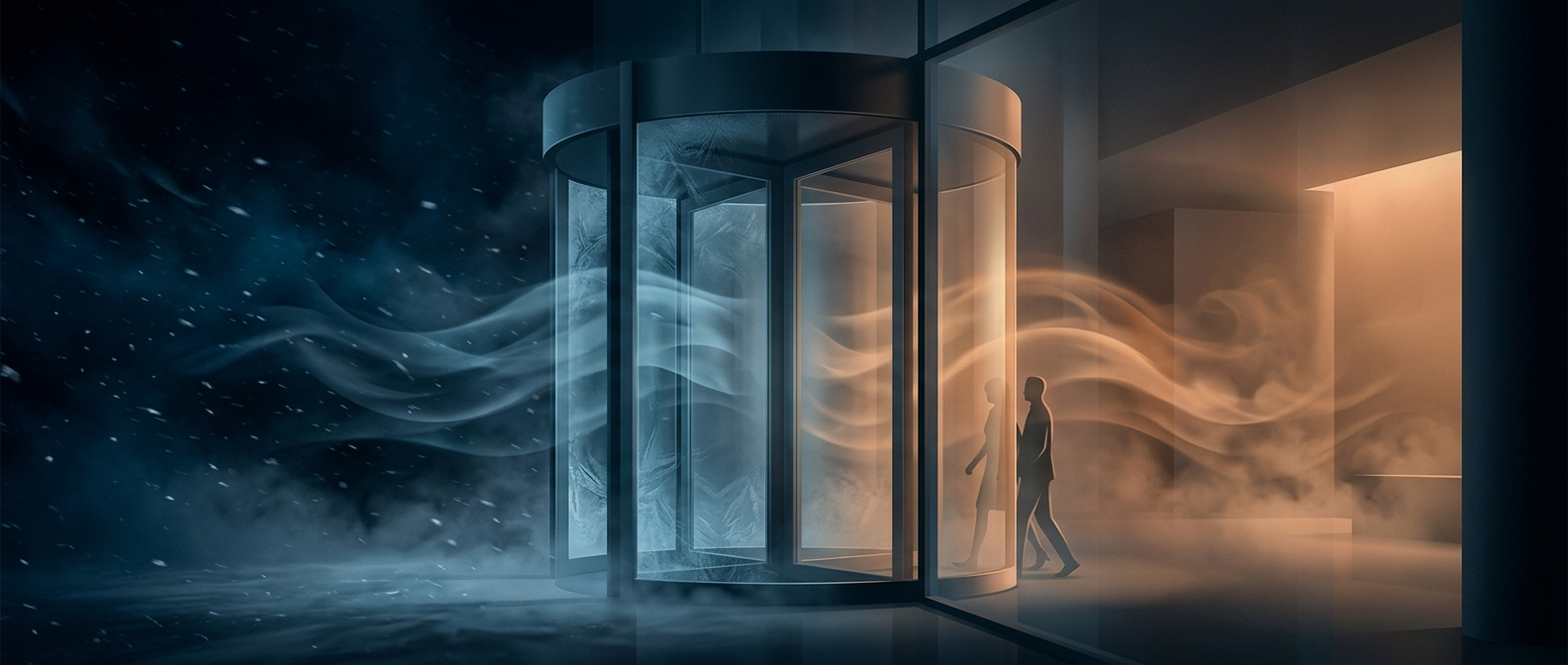
In summer, the process reverses: the heat pump pulls warmth from the building and sends it through the loop into the earth. The ground can accept that heat because its temperature changes less over the year than the air’s near the surface.
The installation is shaped by the site
The loop may run horizontally in trenches or vertically in drilled boreholes. Trenches need enough land; boreholes use less surface area but require drilling. Either way, the pipes must exchange heat with a large enough volume of earth, so soil conditions, available space, and building demand affect the design.
The system’s advantage is that it avoids relying directly on winter air or summer outdoor temperatures, which can be extreme. Its tradeoff is upfront construction: burying the loop takes excavation or drilling before the heating and cooling equipment can operate. Once installed, the same underground network can serve both seasons, returning heat to the ground in summer for the next winter’s cycle.