A self-inflicted operation after a street sermon
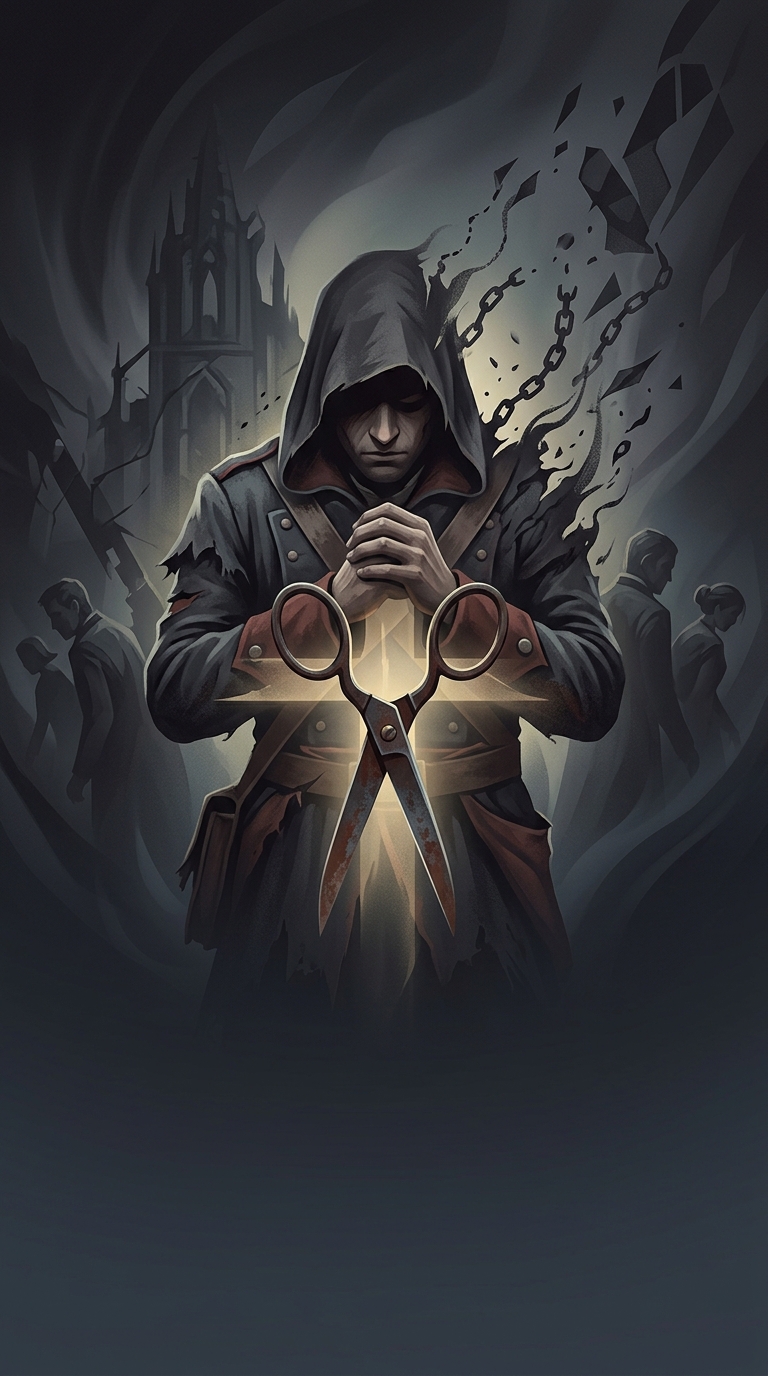
Boston Corbett’s castration was not a battlefield injury or a medical procedure. In 1858, while living in Boston and working as a hatter, he became absorbed in evangelical preaching and took the biblical warning against lust with extreme literalness. He used scissors to remove his testicles, believing the act would help him resist sexual temptation.
The episode fits the pattern of a man whose religious conviction could become intensely personal and severe. Corbett was a street preacher who treated sexual desire not as an ordinary impulse to manage, but as a danger to be eliminated at its source.
Prayer first, then medical care
After the operation, Corbett went to a prayer meeting and ate a meal before seeking medical attention. That sequence is striking because the wound was plainly serious, yet he appears to have regarded the spiritual act as the immediate priority. The meal also makes the story less like a detached legend: this was a person moving through ordinary routines after doing something physically drastic.
Castration could cause heavy bleeding and infection, so surviving the injury did not make it safe or medically controlled. Corbett eventually received care, but the episode’s lasting significance is less about the procedure itself than about the force of the belief behind it.
A notorious act before his most famous one
Years later, Corbett became known for killing John Wilkes Booth, Abraham Lincoln’s assassin, during the manhunt after Lincoln’s murder. His earlier self-castration is often overshadowed by that event, but it offers a revealing glimpse of the same uncompromising temperament: Corbett could turn conviction into sudden, irreversible action. In his case, religious fervor was not merely a public performance; it shaped what he was willing to do to his own body.