A war became a reason to keep the channel on
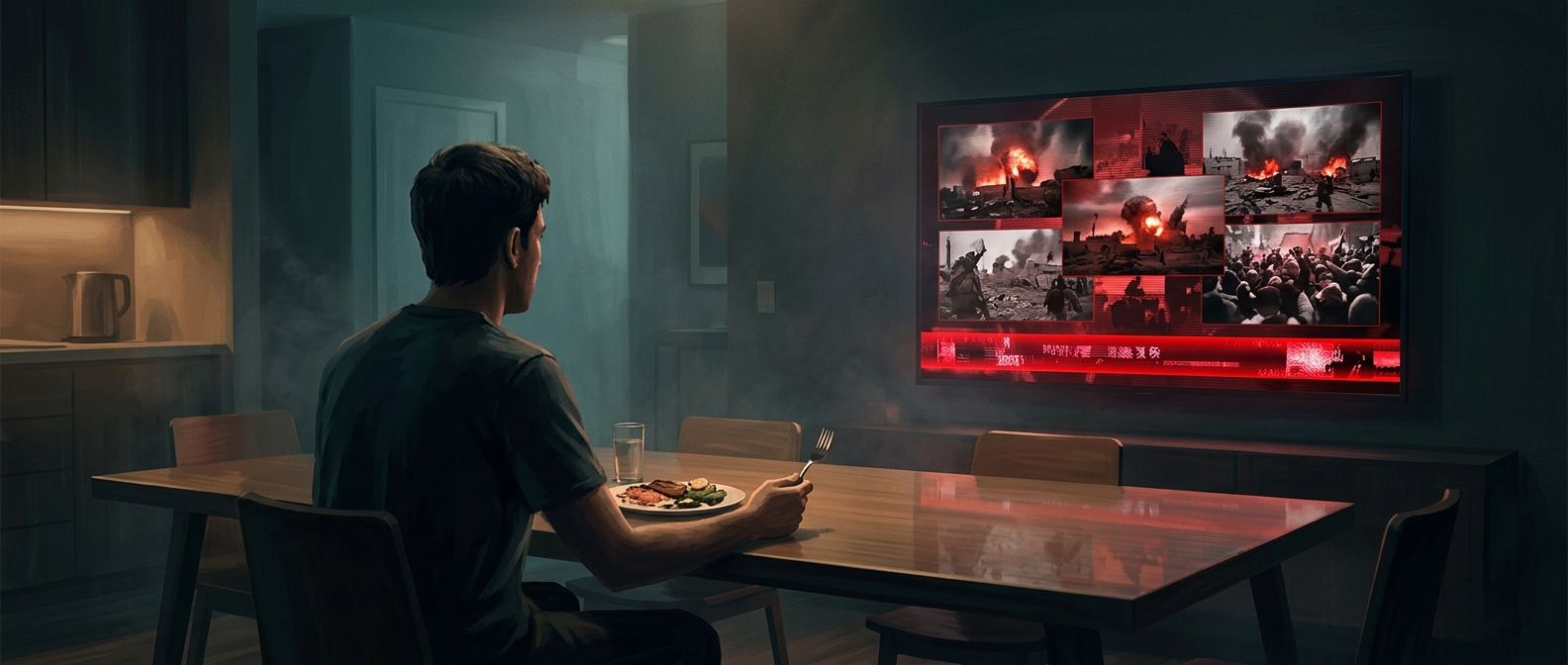
By the time the Gulf War began in 1991, round-the-clock cable news already existed. The challenge was making an always-on channel feel essential rather than merely available. The war supplied a steady stream of urgent developments—and the possibility that something important might happen at any hour.
When air strikes began in Baghdad, CNN’s live reports gave viewers an unusual sense of immediacy: instead of waiting for the next scheduled bulletin, they could watch coverage as events unfolded. Satellite links made it possible to send reports across long distances, although wartime conditions made those connections and the reporting itself precarious.
From scheduled bulletins to a running story
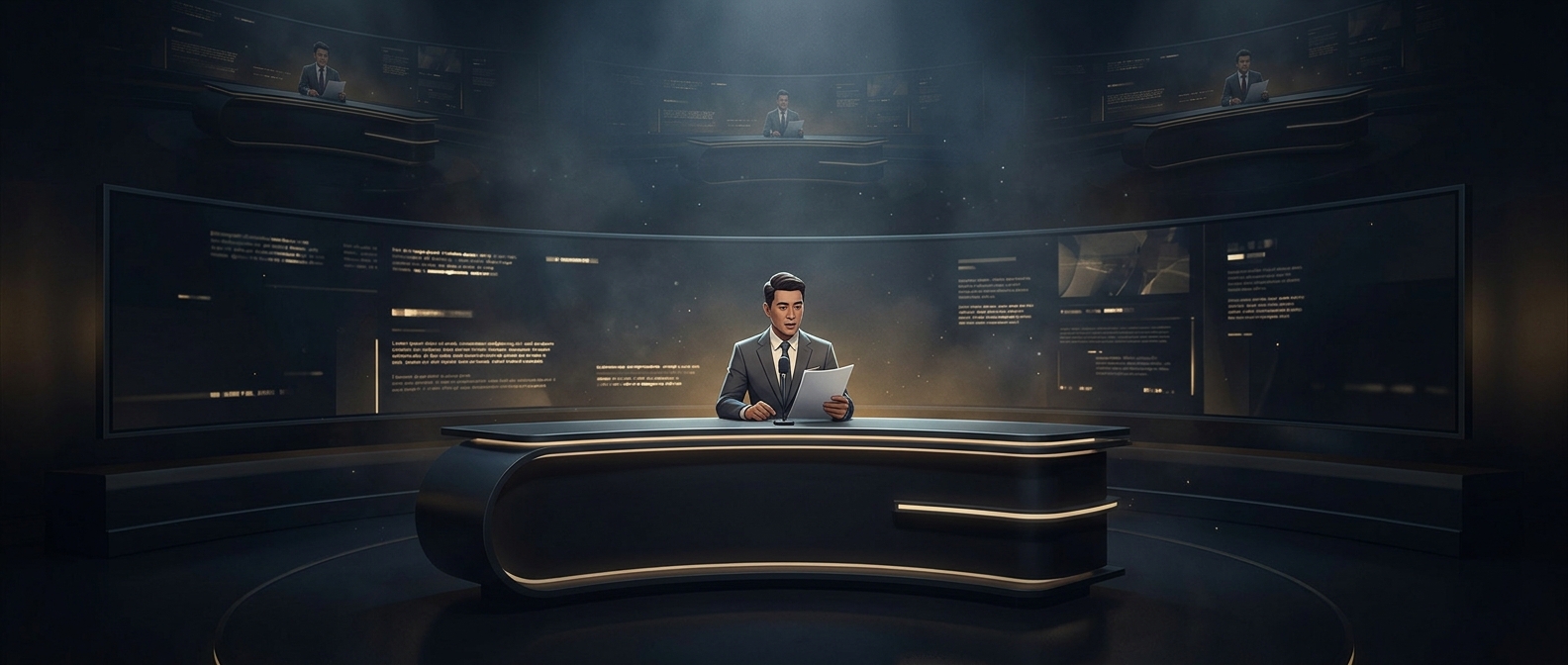
Traditional television news was organized around set broadcast times. Continuous coverage changed the newsroom’s task: journalists had to keep updating a story as new information arrived, explain what was known, and fill the gaps while events were still developing. Viewers, in turn, could leave the channel on and return for updates rather than wait for an evening newscast.
That model also created a difficult tradeoff. A channel needed to remain responsive, but fast-moving reports could be incomplete or uncertain. The pressure to provide the next update became part of the format, not just a feature of wartime coverage.
The audience signal
The Gulf War did not invent 24-hour news, but the attention it drew showed broadcasters that audiences would follow a major story continuously. That helped make the rolling news cycle a lasting expectation: when a crisis breaks, viewers may now look for the channel already reporting, not the next scheduled program.