When a Film Makes Light the Main Event
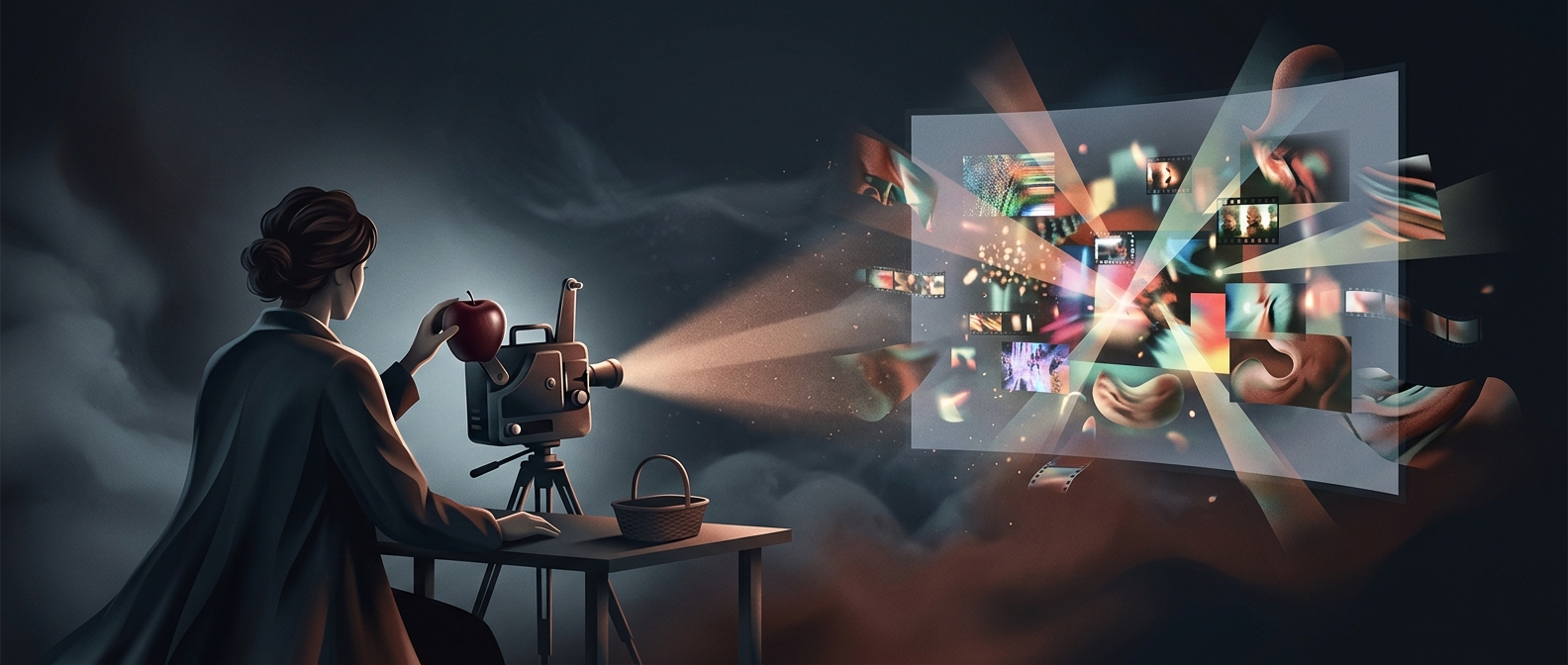
Jack Chambers’s flicker films replace the steady flow of images with abrupt alternations between light and dark. A projector normally changes pictures so quickly that viewers experience continuous motion. In a flicker film, the change itself becomes impossible to ignore: the screen flashes, and the viewer’s attention is pulled from what an image depicts to the physical act of seeing it.
Why the Flicker Feels So Harsh
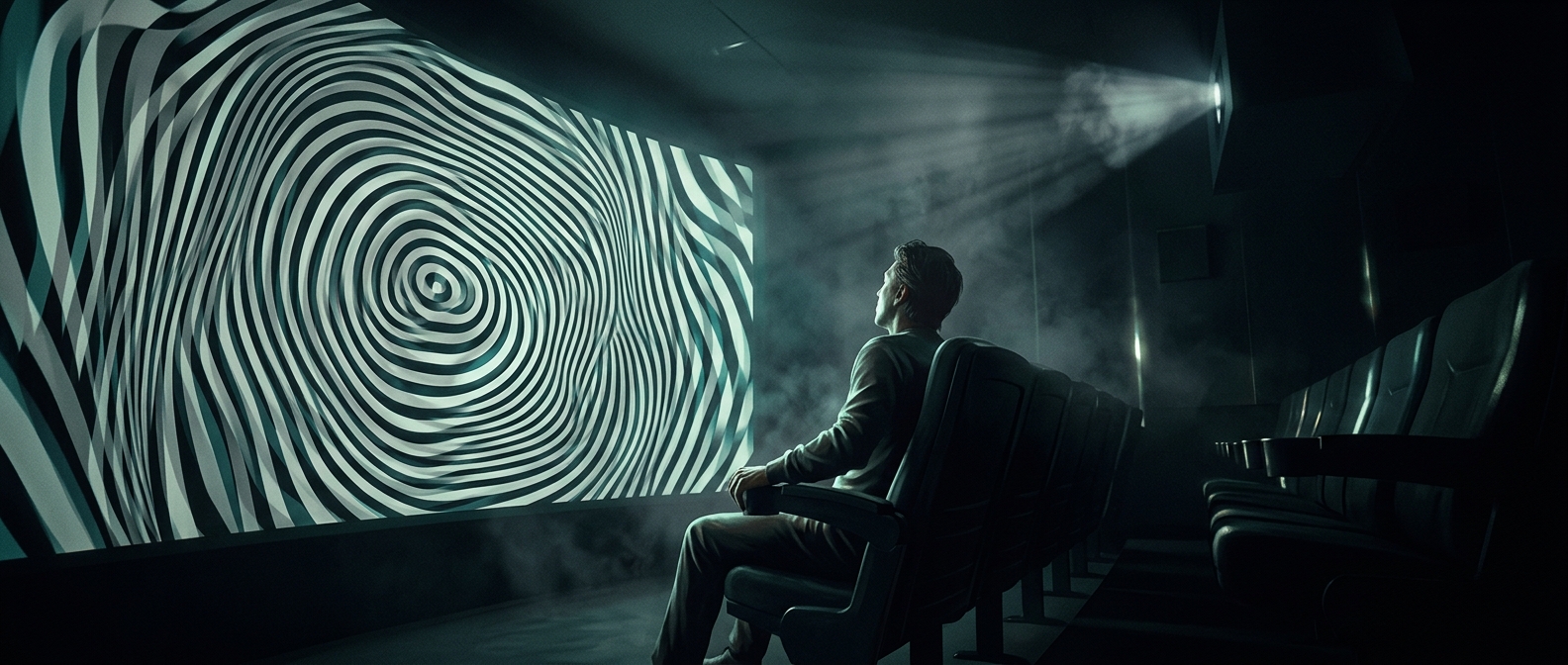
Each bright frame sends light toward the eye; a dark frame sharply interrupts it. Repeated in rapid succession, that contrast can make the image seem to pulse rather than settle. The eye and brain are constantly trying to interpret the changing input, but there may be no stable scene to grasp. The film’s subject becomes perception under pressure.
That effect depends on film’s basic machinery. A projector displays still frames one after another, and their speed usually disguises the intervals between them. By making light and darkness alternate conspicuously, Chambers turns those intervals into the experience. Instead of following a conventional plot, viewers have to confront the screen as a changing field of illumination.
A Different Kind of Attention
The approach shifts filmmaking away from storytelling and toward sensation. A flicker sequence cannot be watched quite like a scene with characters and actions; its rhythm is felt as much as seen. That makes the viewer’s own response part of the event: the same strip of film becomes an encounter with attention, discomfort, and the limits of visual stability.
Chambers’s films show how little a moving image needs to depict in order to command the eyes. Sometimes the decisive image is not a picture at all, but the flash that keeps one from holding onto it.