The Missing Drafts Behind García Márquez’s Legacy
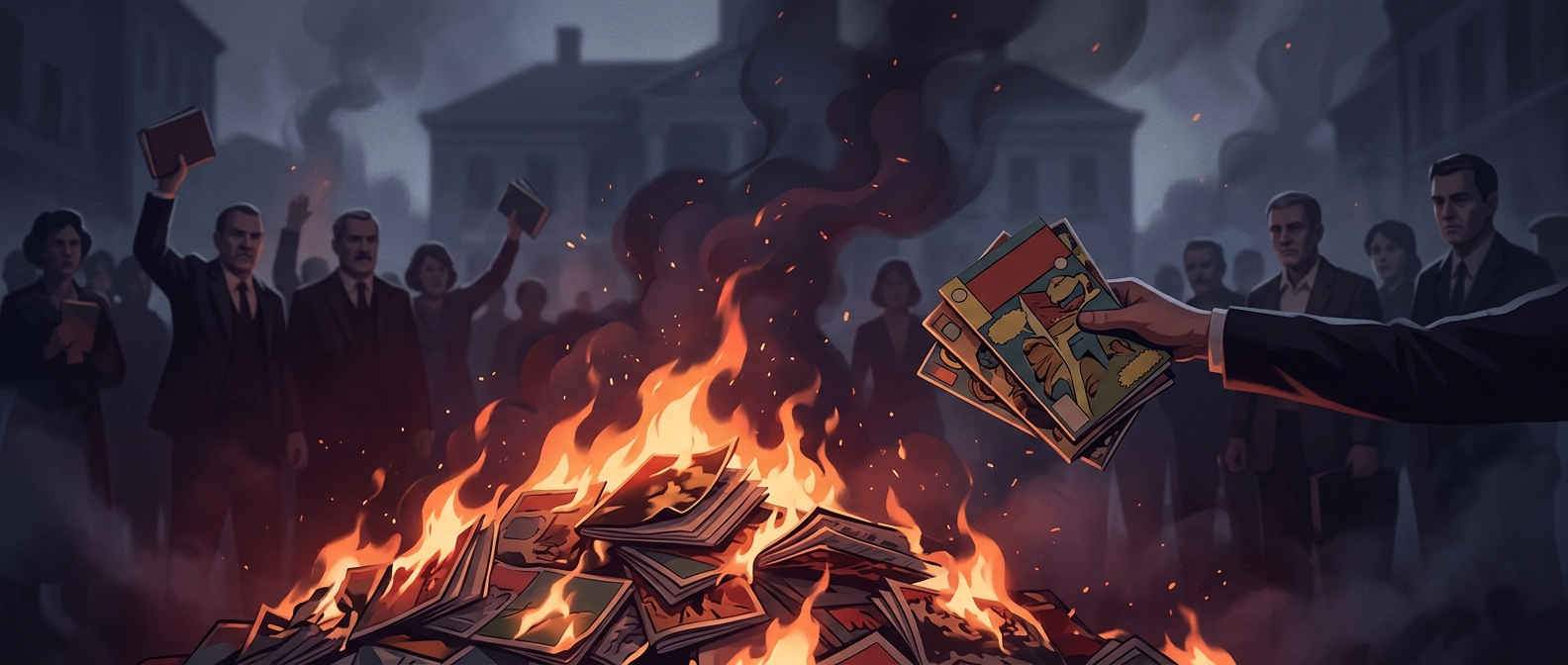
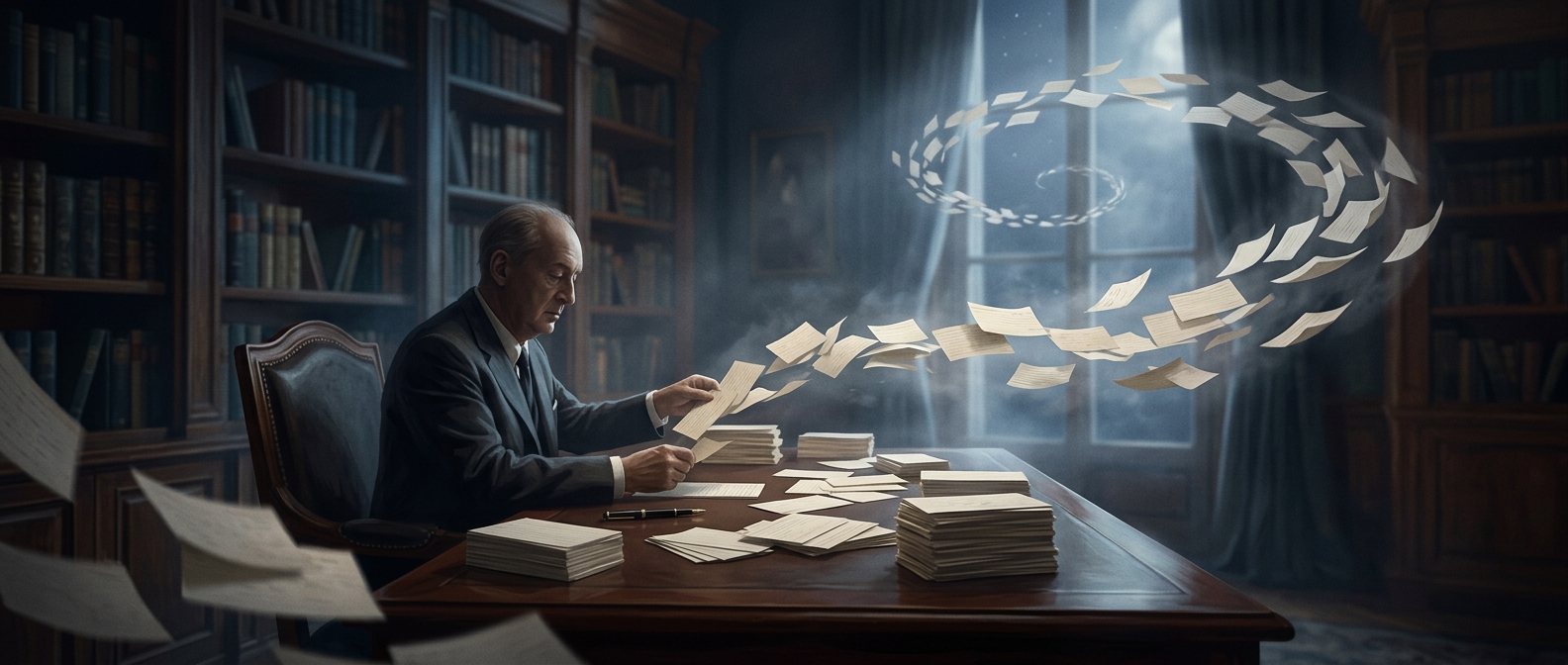
A finished novel presents a writer’s decisions as a seamless story. Drafts show the seams: abandoned openings, altered characters, and experiments that never made it into print. Gabriel García Márquez destroyed early manuscripts, as well as personal letters, to limit what scholars could learn about his early work and to influence how his legacy would be understood.
How an Archive Shapes a Reputation
Manuscripts can reveal how a writer arrived at a recognizable style. Letters can add another kind of evidence, placing creative work alongside private relationships and the concerns of a particular period. When those materials disappear, later readers have less access to the uncertain stages behind the published books.
That absence does not erase the surviving writing, but it narrows the record scholars can use. They must build a picture of García Márquez’s development from what remains rather than tracing every discarded turn. Destroying the papers therefore did more than remove old pages: it helped determine which version of his literary past could be studied.