Turning poker into two decisions
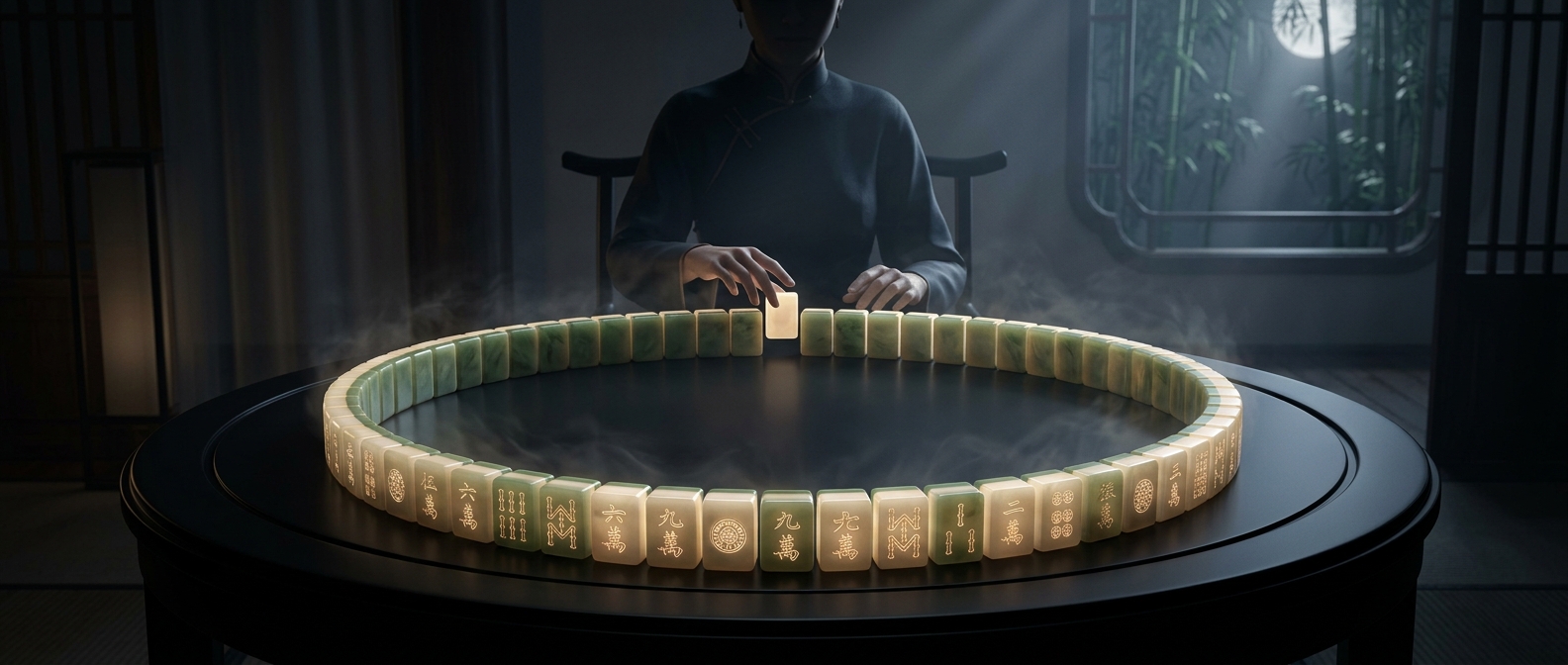
In the 1980s, a California casino manager adapted the structure of pai gow, a Chinese game played with domino-like tiles, into a card game using American poker hands. The key design choice was to make each deal a small sorting problem rather than a single contest of cards.
Players receive seven cards and divide them into a five-card hand and a two-card hand. The five-card hand must rank higher than the two-card hand. Each is then compared with the dealer’s corresponding hand, so a player has to judge how to distribute strength across both contests.
Why a hand often ends in a tie
A player generally wins the wager only by beating the dealer in both comparisons. Winning one hand and losing the other usually produces a push: the wager is returned rather than paid or lost. That means a deal can involve several choices and comparisons yet leave the player’s stake unchanged.
Those pushes are central to the game’s pace. They soften the sharp win-or-lose rhythm of many poker-based casino games, while the two-hand arrangement gives players something to consider before the result is settled. The format could keep customers engaged at the table longer without requiring a new, complicated deck or unfamiliar card rankings.
A tile-game structure, rebuilt for cards
The adaptation preserved pai gow’s basic idea—forming two hands and comparing them—while replacing tiles with poker’s familiar five-card and two-card rankings. The result is not simply poker with extra cards: the player’s task is to balance one stronger hand against another, then wait to see how both fare against the dealer.
That extra layer is why a single deal can feel more deliberate than ordinary poker. The casino’s design goal was built into the rules themselves: more decisions, more paired comparisons, and plenty of hands that end with the bet still on the table.