How comic-book bonfires became public warnings
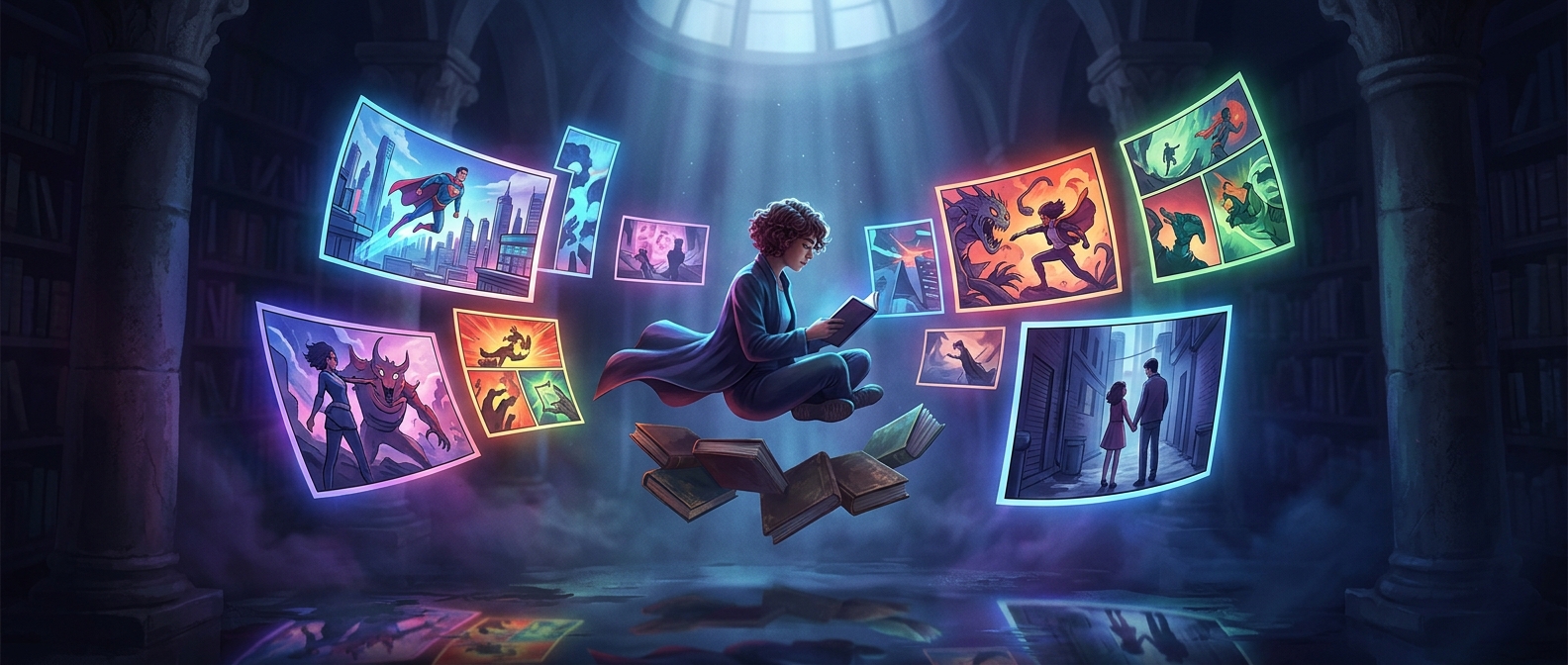
In the 1940s and 1950s, comics were a cheap, highly visible part of youth culture—and an easy target for adults worried about changing behavior. Crime, horror, and other sensational comics showed violence and rebellious characters in vivid pictures. Critics feared that children might imitate what they read or become less respectful of authority. Those fears were part of a wider postwar debate about juvenile delinquency, not proof that comics caused it.
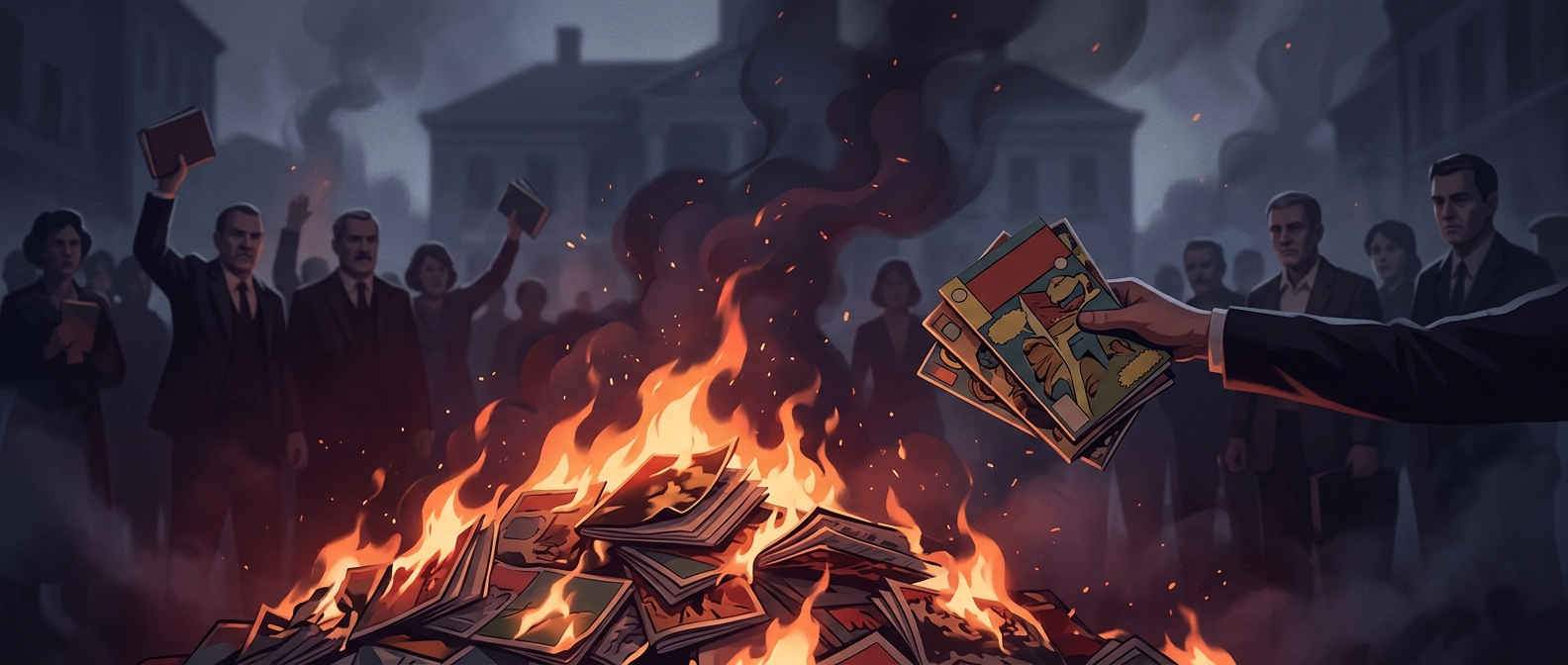
A public bonfire turned that anxiety into a spectacle. Organizers collected comics and burned them where neighbors could watch, making the destruction a warning to children and a show of community disapproval. The ritual also gave parents and local groups a concrete response to a problem that otherwise felt difficult to control: a book could be removed from a child’s hands immediately, even if the larger causes of youthful behavior were uncertain.
From outrage to industry rules
The criticism grew into national scrutiny. Psychiatrist Fredric Wertham’s 1954 book Seduction of the Innocent argued that comics harmed children, and congressional hearings that year examined their possible link to juvenile delinquency. The hearings did not establish that comics caused crime, but the pressure put publishers’ business and reputation at risk.
Publishers responded by creating the Comics Code Authority, a self-regulatory system that reviewed comics and allowed approved titles to display a seal. Its rules restricted material such as graphic violence and sexual content. The code helped publishers reassure retailers and parents, but it also narrowed what mainstream comics could depict.
The bonfires were therefore more than dramatic acts of censorship: they made a private worry visible and helped turn it into pressure on an entire industry. A stack of burned books could not settle the debate about what children should read—but it could make publishers change what they printed.