The change from crossing to timetable
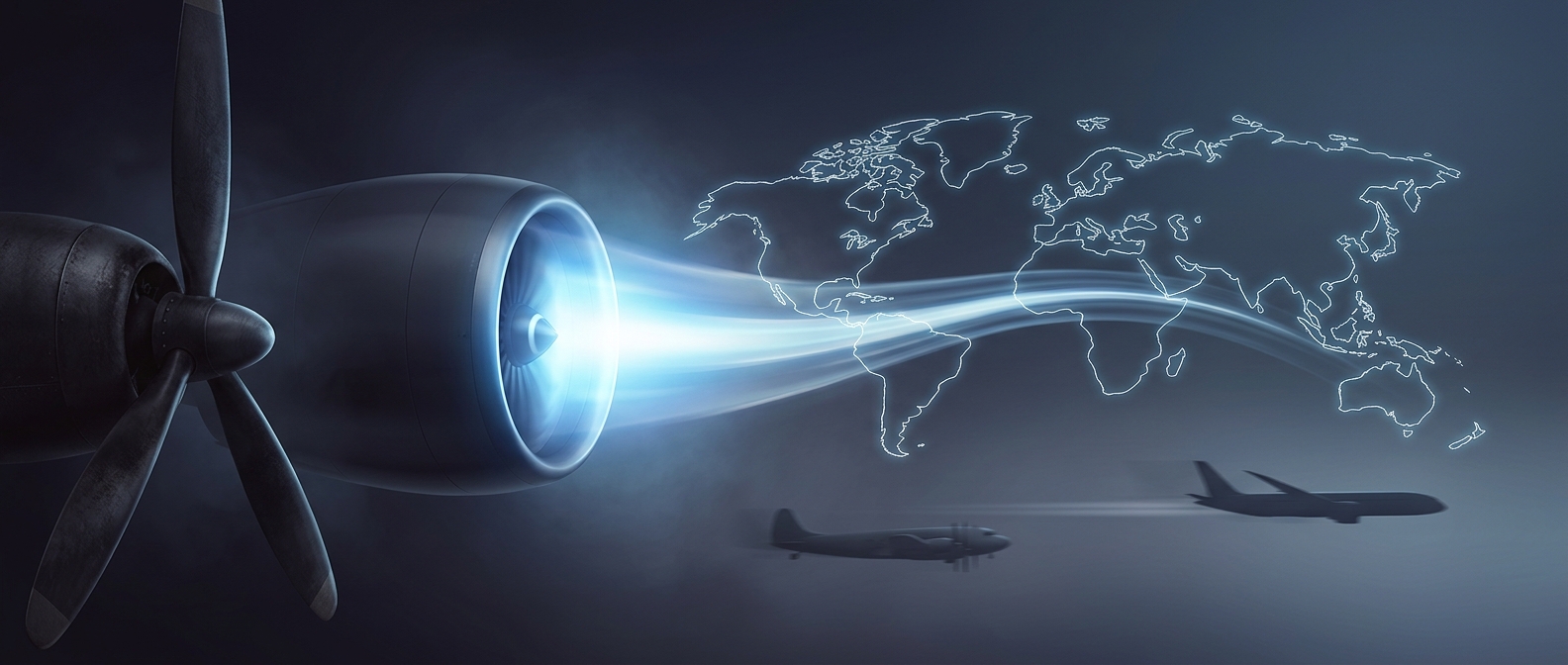
A jet engine did more than raise an airplane’s speed. It made sustained high-speed flight practical across the long stretches where an aircraft cannot stop to refuel. That changed the feel of an ocean crossing: instead of treating it as an arduous journey with limited departures, airlines could build regular, predictable service around it.
The key was the engine’s way of producing thrust. It draws in air, compresses it, mixes it with fuel and burns the mixture; the hot gases then rush out the back, pushing the aircraft forward. Unlike a propeller, which is most effective at lower speeds, a jet can propel a large airliner efficiently at the faster cruising speeds used on long routes.
Speed changed the airline’s calculation
A shorter flight means an aircraft and its crew spend less time completing each trip. That can make it easier to schedule more frequent service and connect an ocean route to flights on either side. For passengers, the ocean remained physically vast, but it occupied a smaller part of the day—and could be crossed as one leg of an ordinary itinerary.
Jets also helped make long-distance air travel more routine, though they did not erase its costs or constraints. Airlines still had to plan around aircraft capacity, fuel, weather and airport operations; passengers still spent hours in a cramped cabin. The map seemed to shrink because the journey took less time, not because the ocean—or the discomfort of sitting across it—had changed.