Why vanilla extract smells sweeter than it tastes
The fluid is ethanol—the same kind of alcohol found in beer, wine, and spirits. In vanilla extract, it serves as a solvent: it draws flavor and fragrance compounds out of vanilla beans and keeps them dissolved in the bottle.
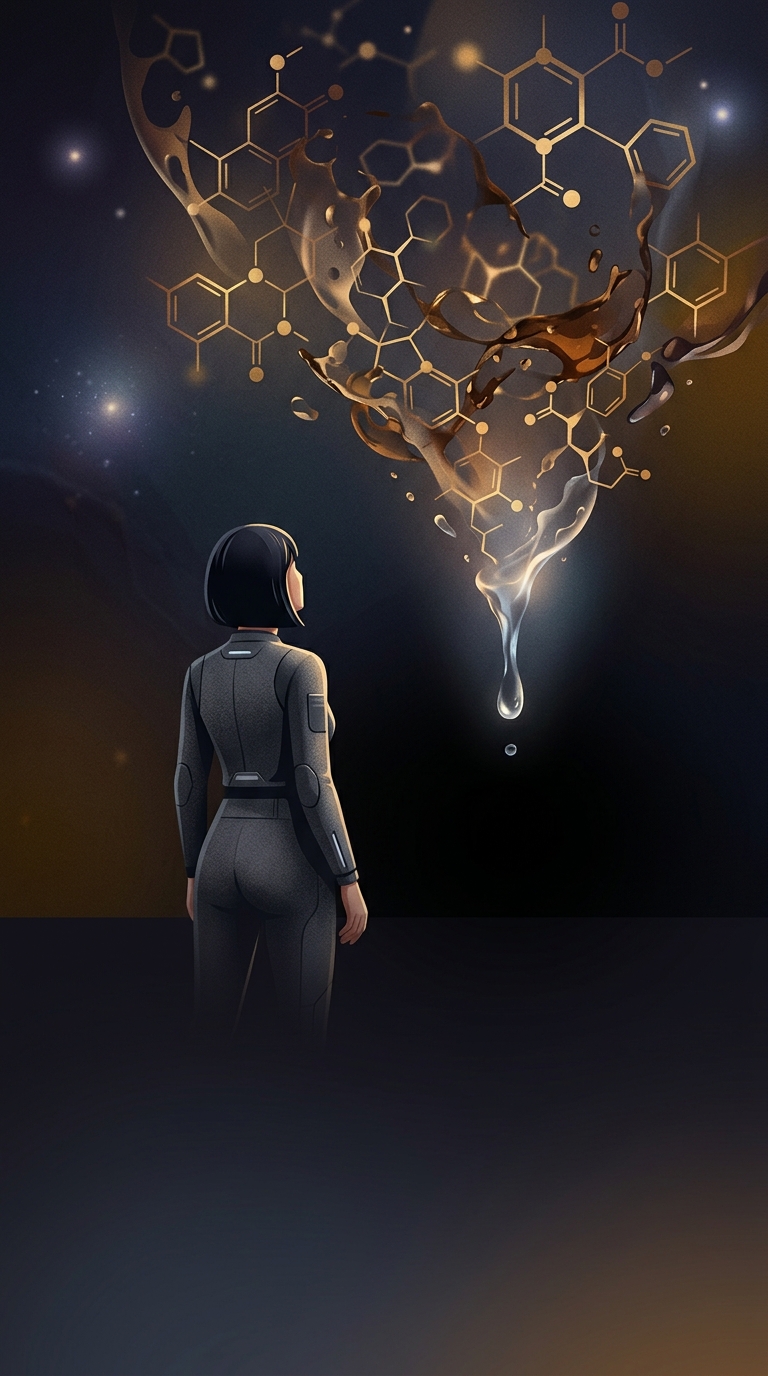
Those compounds include vanillin, a molecule strongly associated with vanilla’s familiar scent. When you open the bottle, tiny amounts evaporate and reach your nose. Your brain can recognize the vanilla aroma even though the liquid itself is intensely alcoholic.
What changes when you taste it
A sip exposes your mouth to the extract’s concentrated alcohol as well as its vanilla compounds. Ethanol can taste sharp and burning, while vanilla’s aromatic notes are not necessarily sweet on the tongue. The result is a mismatch: a comforting bakery-like smell paired with a harsh, boozy taste.
Vanilla extract is meant to flavor food, not to be enjoyed straight. In a batter or custard, a small amount spreads through other ingredients; during baking, some alcohol evaporates, and the vanilla aroma becomes part of the finished dish. The bottle’s smell is a preview of what vanilla can do in food—not a promise that the undiluted extract will taste like dessert.