Why one answer can unlock another
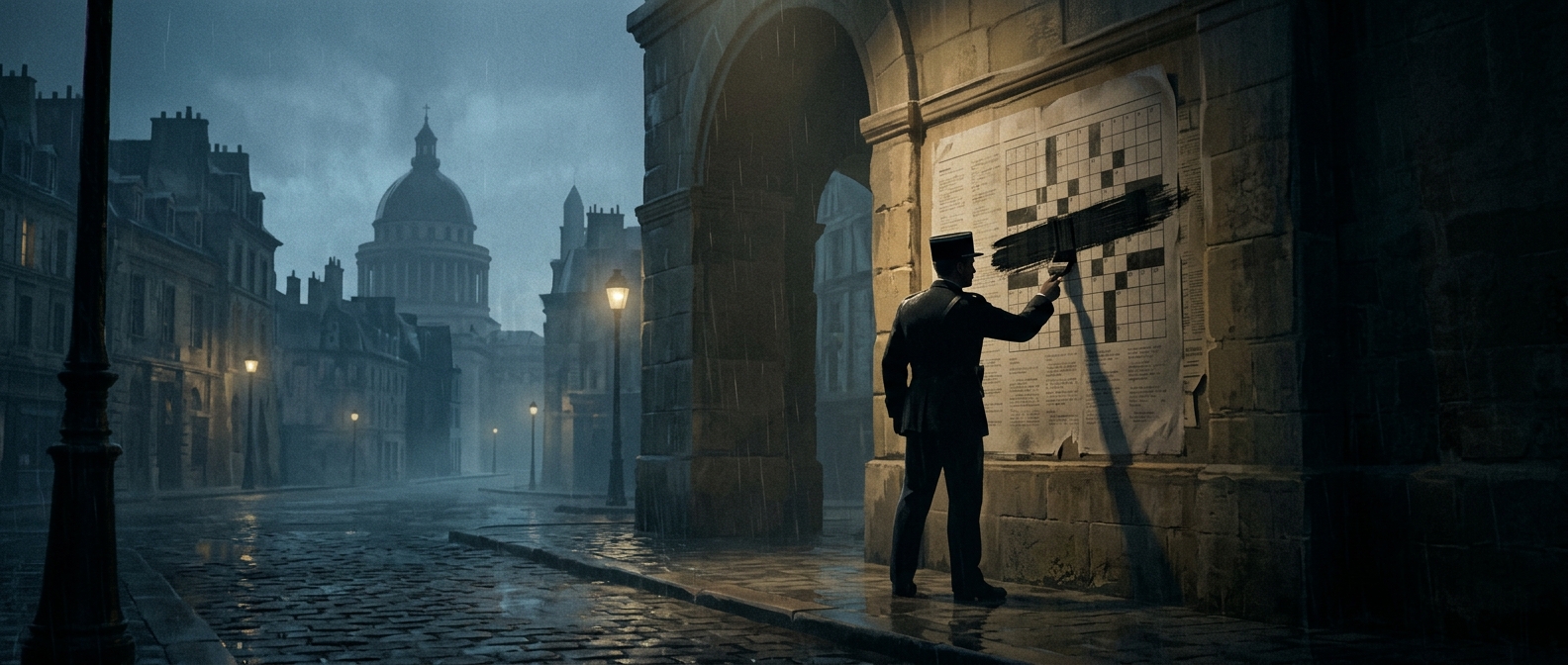
A crossword clue is rarely a complete definition. It may point to a meaning, a phrase, a pun, or a bit of wordplay, leaving several answers plausible. The grid supplies a second kind of evidence: an answer must fit the available spaces, and its letters must agree with the words crossing it.
That turns solving into a cycle of testing. Suppose a clue suggests a five-letter word, but you can think of three candidates. A crossing answer may provide the third letter; another may reveal the last. Each confirmed letter rules out options, while an uncertain entry can be revised if it clashes with firmer answers. The solver is not simply guessing in isolation—the grid lets clues check one another.
The puzzle is built to work both ways
A crossword’s creator, or constructor, has to make that feedback possible. The answers must fit together in a grid, and the clues must give solvers enough of a foothold without making every entry obvious. A word with several meanings can make a compact, satisfying clue, but too much ambiguity can stall the puzzle unless crossings provide useful letters.
This interdependence also explains why a nearly complete grid can suddenly become easier. One confidently solved answer may expose several letters at once, turning a vague clue nearby into a much narrower question. Conversely, a wrong answer can spread trouble: its letters may make multiple crossing answers look plausible until the mismatch is found.
The satisfying moment is often not recognizing a word outright, but watching the pattern constrain it. A guess becomes a solution when the clue fits and the crossing answers confirm it.