How a sleeping body can enter a dream
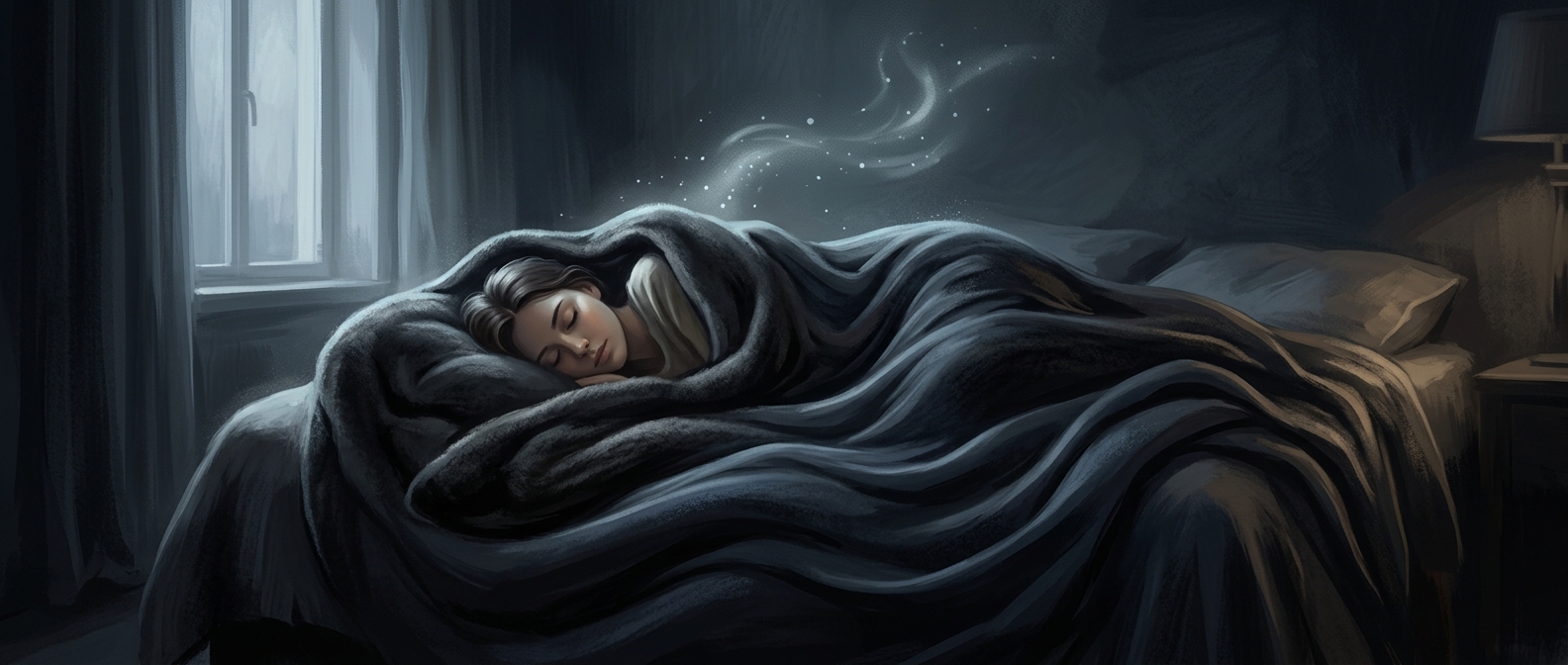
The brain does not stop receiving information from the body during sleep. It turns down attention to many outside signals, but sensations such as pressure, warmth, pain, or a cramped limb can still register. A dream may weave those signals into its plot: pressure might become a hand holding someone down, for example, or discomfort might help create a sense of danger.
This is a form of sensory incorporation—the mind fitting a real sensation into an imagined scene. The sensation does not dictate the dream’s meaning; the brain supplies the story. Lying on the left side is therefore not a reliable nightmare trigger. It may matter for an individual if that position creates pressure or discomfort that interrupts sleep.
Why a bad dream can feel tied to a position
A sensation that briefly wakes someone can make a dream easier to remember. So can a restless night: waking near the end of a vivid dream gives the person a better chance of recalling it. The position may seem connected to the nightmare because it supplied a bodily cue, because it disturbed sleep, or simply because the dream was remembered after waking—not because the left side carries a special psychological meaning.
The practical clue is personal rather than universal: if a particular position repeatedly feels uncomfortable or disrupts sleep, changing it may help. But a frightening dream after sleeping on the left side does not, by itself, show that the position caused it.