Why a small implant can stop a cremation
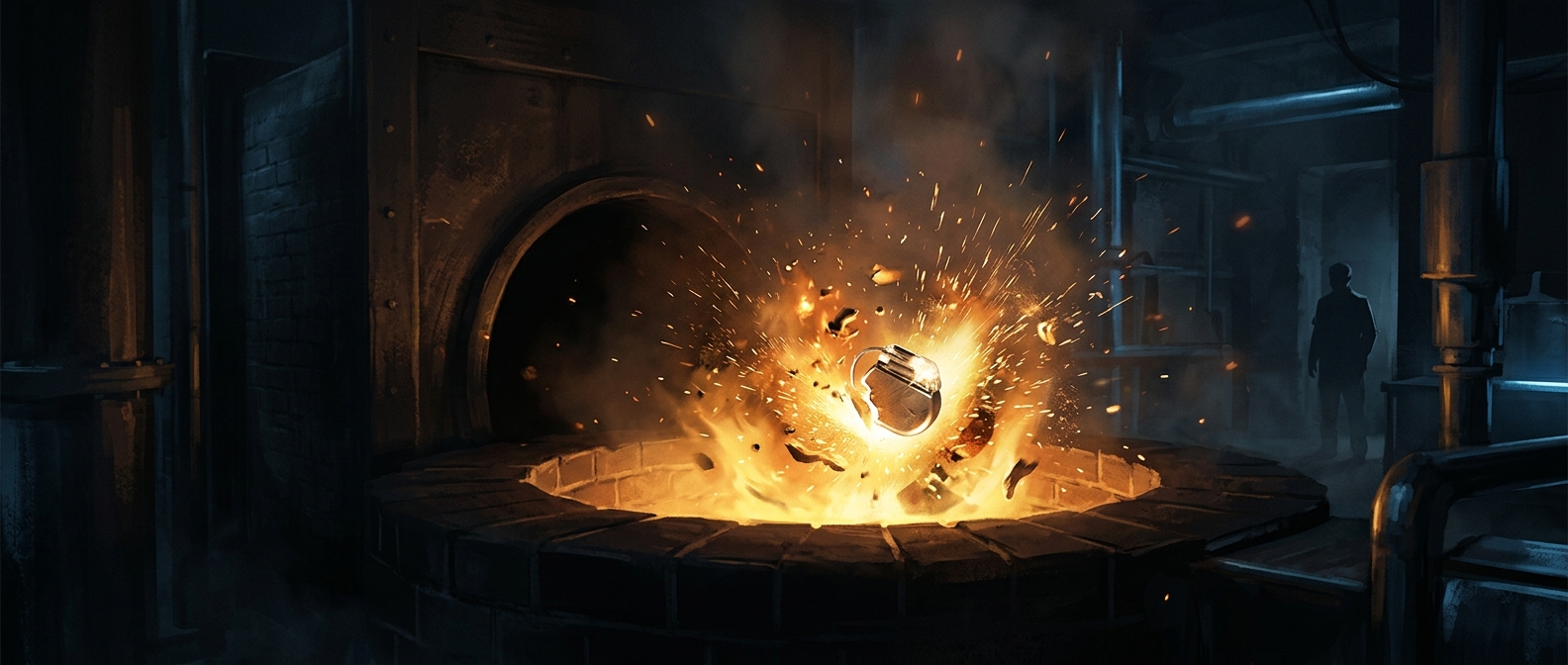
A pacemaker is not just a piece of metal. It contains a battery and electronic components sealed inside a case, and the battery can rupture or burst when exposed to cremation temperatures. That makes the device a hazard inside the cremation chamber, where a sudden failure could damage equipment or interrupt the process.
The risk is to the machinery, not the remains
Cremation chambers use carefully controlled high heat. A pacemaker’s battery is not designed to withstand it, and its casing can fail as internal pressure rises. Removing the device beforehand prevents that failure from happening inside the chamber, protecting the crematory’s equipment and the people who operate it.
The check is especially important because an implant may not be obvious from a viewing or from clothing. Funeral professionals ask about medical devices and arrange for removal when needed; the exact process depends on the circumstances and local procedures.
A practical step before the furnace
This is why funeral arrangements include questions about pacemakers and other battery-powered implants. A device that once kept a person’s heartbeat steady can become a mechanical risk after death—not because it remains active in the ordinary sense, but because its battery and sealed components still react to intense heat.