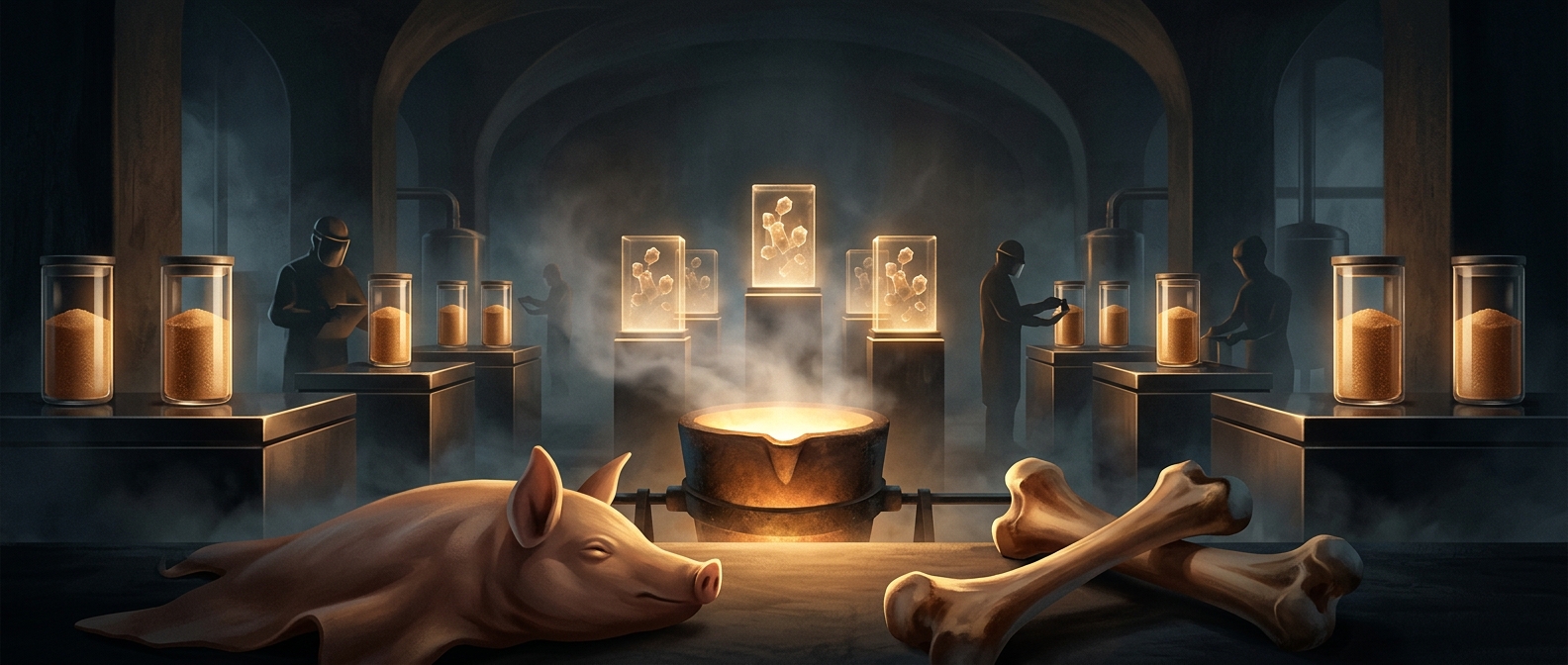
A seal changes the conditions inside
A body contains water, and decomposition releases more moisture as tissues break down. In a tightly sealed casket, that moisture has little chance to escape. The enclosed space can therefore stay humid, while oxygen becomes limited as it is used up or displaced.
That combination favors anaerobic bacteria—microbes that can keep working without oxygen. They break down tissues and produce gases and fluids. A seal intended to isolate the remains can thus create a damp, oxygen-poor environment that supports this kind of decay.
Why airtight does not mean preserved
Drying can slow many forms of decomposition: when tissues lose water, microbes have less of what they need to grow. A sealed enclosure may hinder that drying. The result can be faster breakdown than in conditions where the remains would dry out, though the effect depends on the casket, burial environment, temperature, and treatment of the body.
An airtight casket does not guarantee a particular outcome. It changes the balance of moisture and oxygen rather than stopping decomposition, and a casket’s seal may not remain perfectly airtight indefinitely.
The preservation tradeoff
Sealing is designed to limit exchange with the outside, not to make the contents biologically inactive. Once moisture is trapped and oxygen is scarce, decomposition follows a different route—and can continue inside a container that was meant to keep the outside world out.