Why the Sun Got Most of the Solar System’s Material
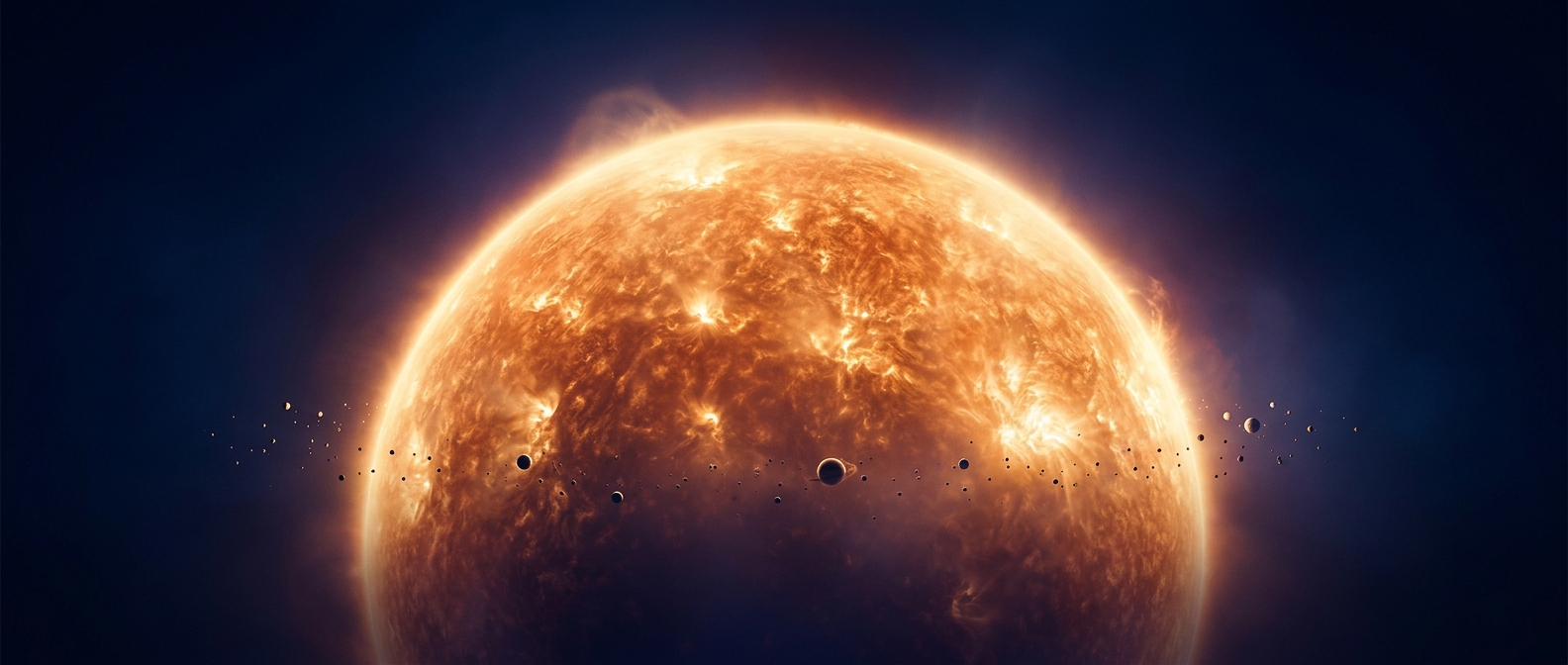
The solar system formed about 4.6 billion years ago from a vast cloud of gas and dust. Gravity pulled the cloud inward. As it contracted, most of its material collected at the center, where pressure and heat eventually became high enough for the Sun to shine. The remaining material spread into a rotating disk around it.
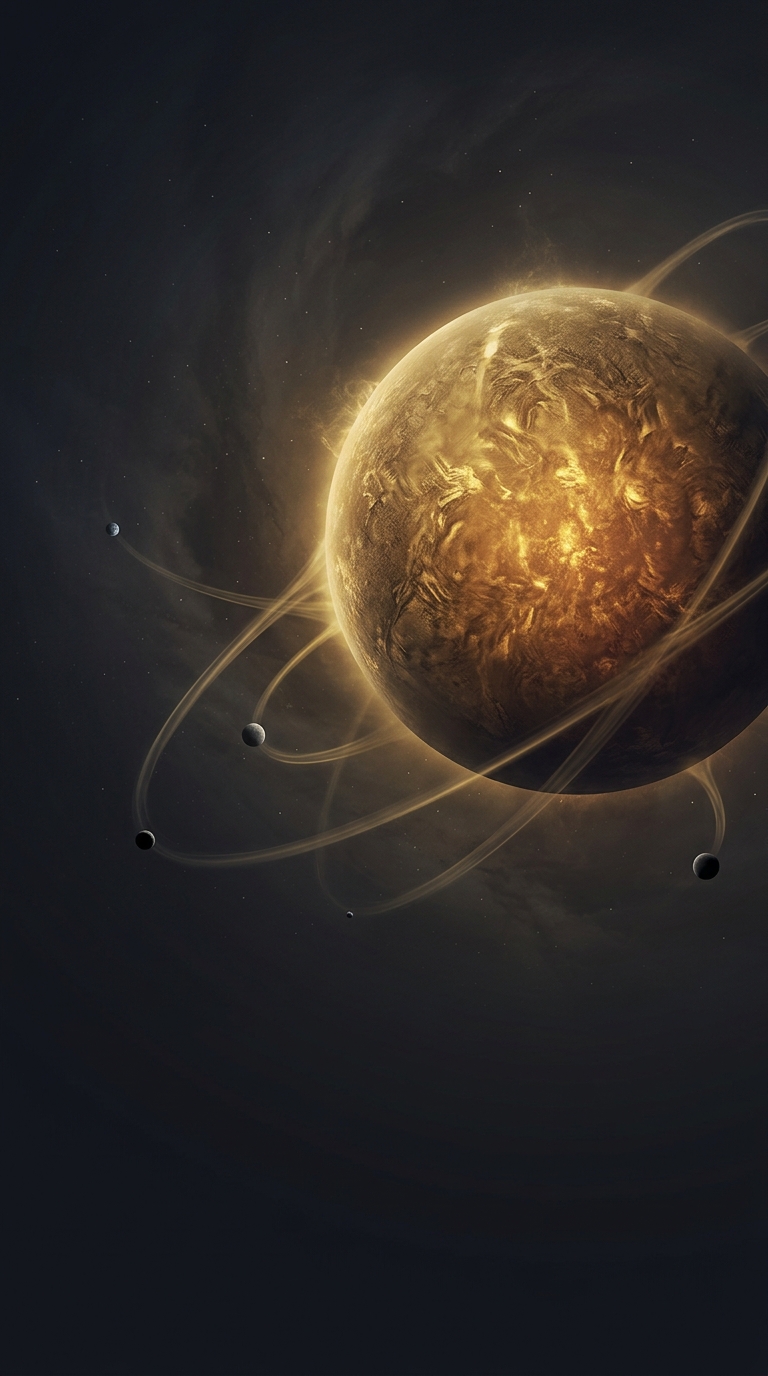
That disk was the construction zone for the planets. Dust grains stuck together, grew into larger clumps, and—through repeated collisions and gravitational attraction—built up planets and smaller bodies. But the disk began with only the material that had not joined the central star. Even the giant planets formed from a comparatively small share of the original cloud.
A Star’s Gravity Shapes What Comes Next
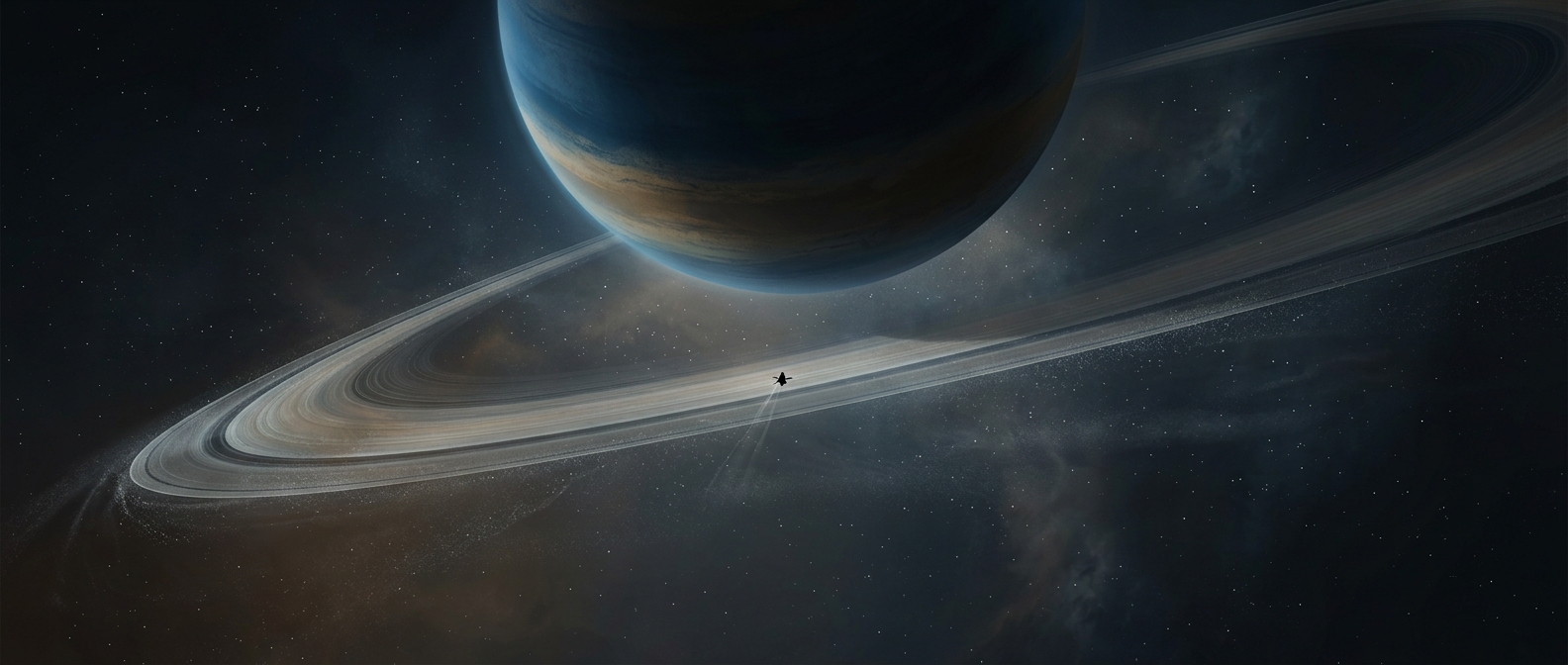
The Sun’s mass also determines how strongly it pulls on everything around it. That gravity keeps planets, asteroids, and comets in orbit, while the planets’ own gravity helps gather nearby material during their growth. Jupiter became massive enough to strongly influence the traffic of smaller bodies, but it could not rival the star at the center.
Mass is not the same as size: a planet can occupy a huge volume while still containing little material compared with the Sun. The solar system’s striking imbalance began before the planets had names or orbits—the star assembled first from the cloud’s crowded center, and the worlds formed later from what remained.