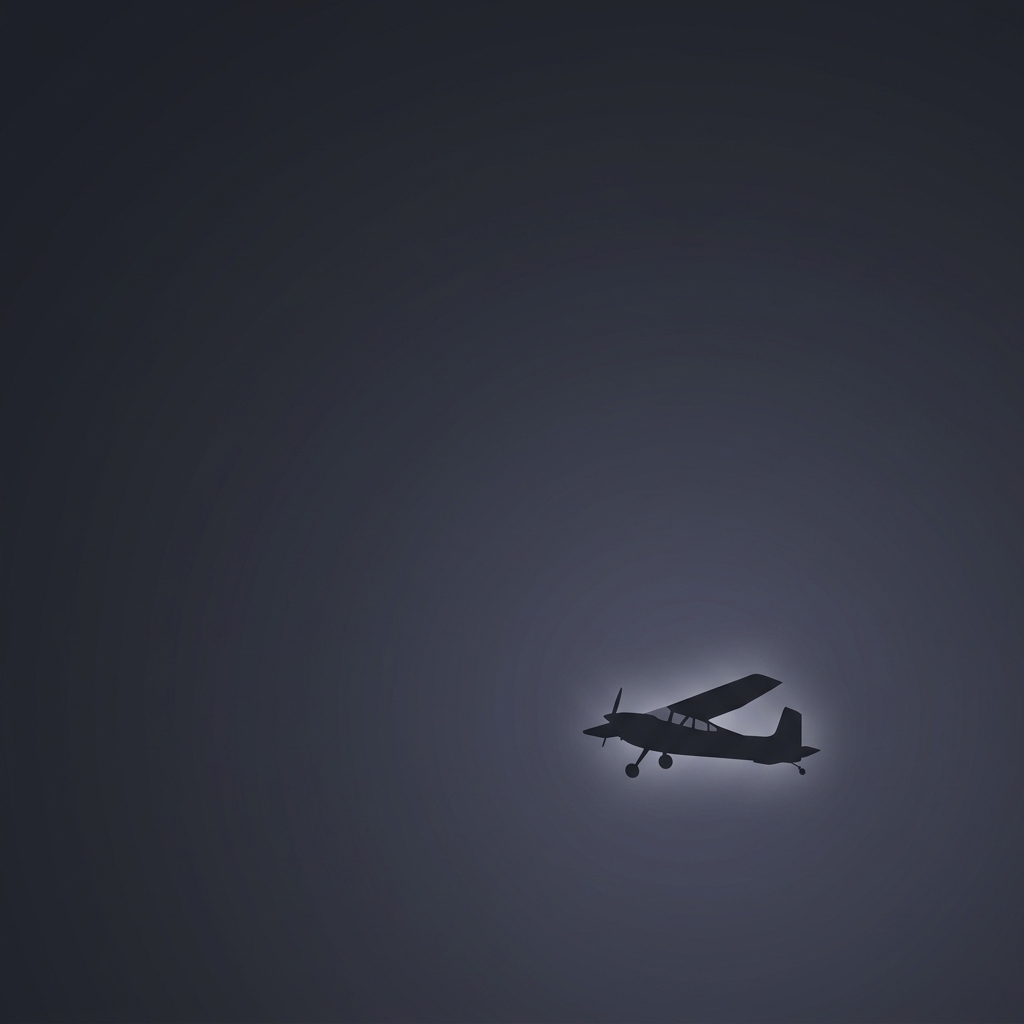
A Cessna 172 With a Road Beneath It
Keeping an airplane aloft for weeks is not just a matter of carrying enough fuel. The aircraft also needs food, water, engine oil, and other supplies—and its crew needs a way to receive them without landing. Robert Timm and John Cook solved that problem by making the ground crew move with them.
They flew low over a road while a truck drove underneath, matching the airplane’s pace closely enough to transfer fuel and supplies. The road effectively became a temporary runway for a handoff: the Cessna stayed in the air, while the truck brought what it needed within reach.
The Moving Supply Line
The arrangement turned an endurance flight into a coordination problem. The pilots had to keep the aircraft steady and aligned with the truck, while the crew below managed the transfer. A conventional landing would have ended the attempt; a moving handoff let the plane take on necessities without touching down.
That did not remove the airplane’s limits. The crew still had to manage fuel and maintenance, and the pilots could not simply stop flying to rest. The truck’s role was therefore essential but narrow: it kept the aircraft supplied, while the Cessna and its crew continued the demanding work of staying airborne.
More Than an Airplane Record
From December 1958 to February 1959, Timm and Cook kept the Cessna 172 aloft for more than 64 days. The striking engineering idea was not a special aircraft transformation, but a link between air and road: the plane could remain in flight because its support system kept moving beneath it.
The record depended on treating the ground not as a place to land, but as a mobile service station. In that sense, the truck was as much a part of the endurance operation as the airplane’s engine.