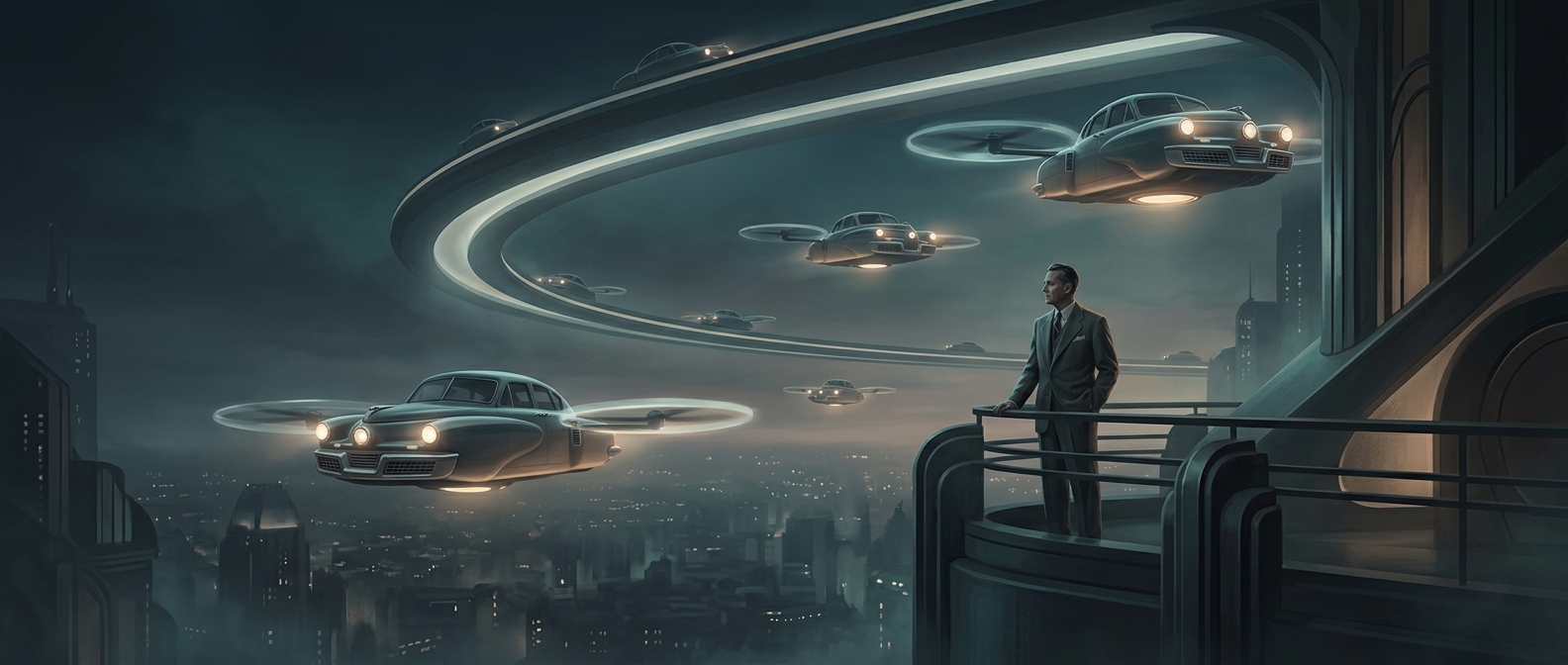
The AirCar’s central compromise
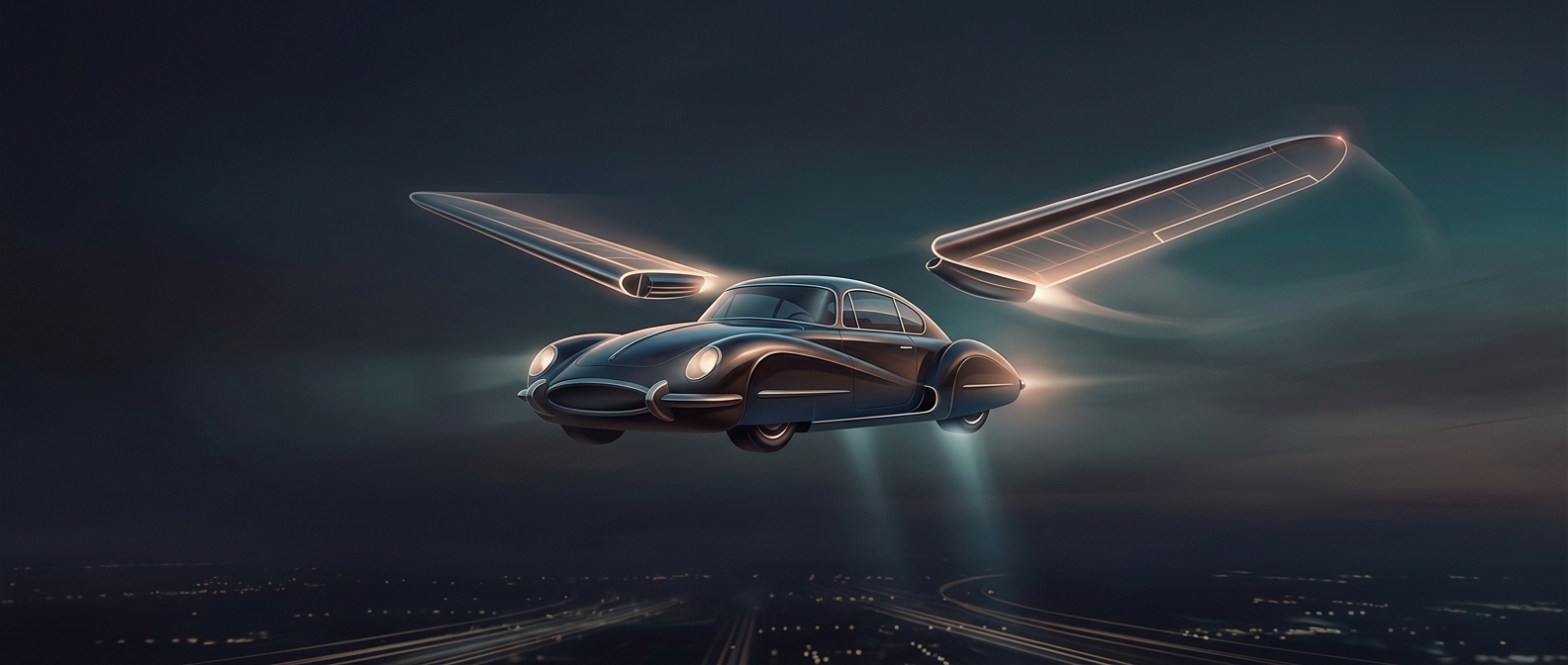
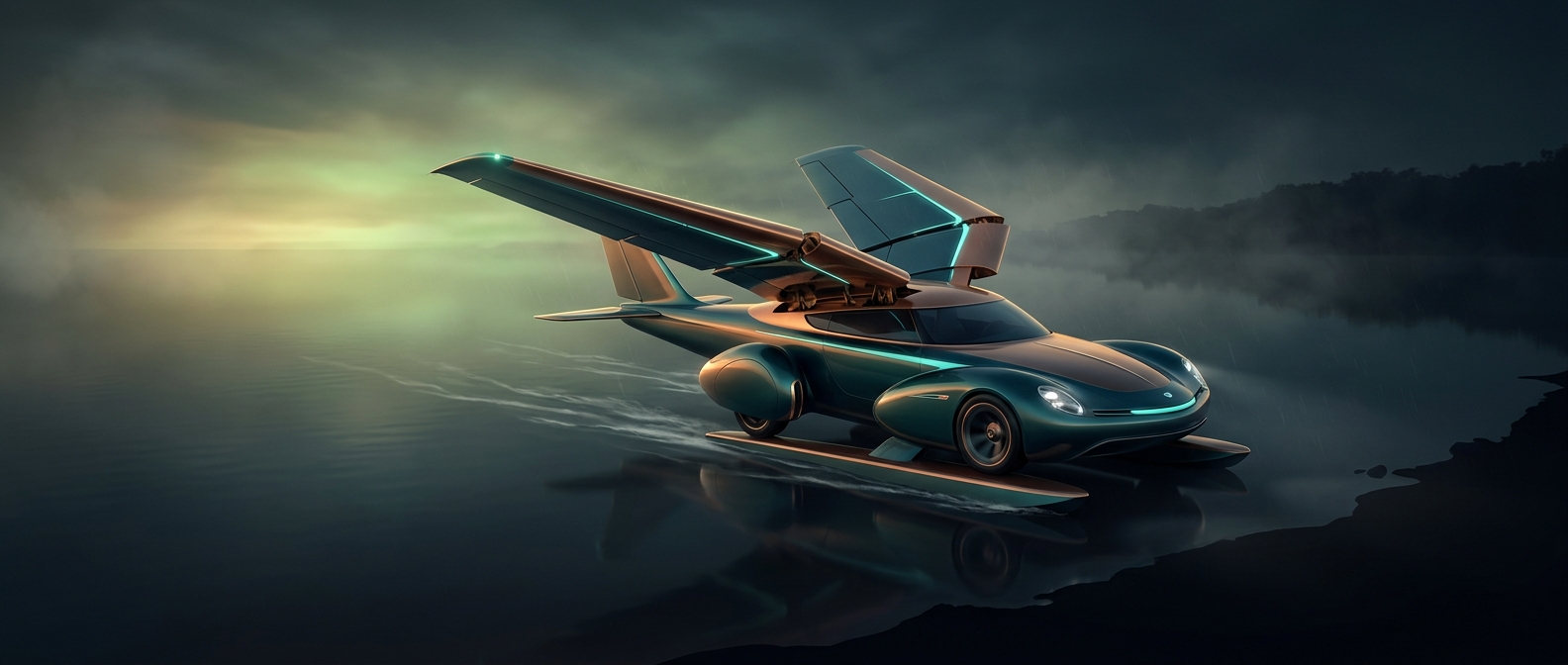
Preston Tucker’s AirCar concept tried to make one machine do two jobs: use its body as a car on the ground and as the central body of a small aircraft in the air. Removable wings and a tail were the key to that arrangement. Without them, the vehicle could fit the role of a road car; attached, they could provide the broad surfaces and stability an aircraft needs to fly.
That sounds like a simple transformation, but the two modes demand opposing things. A road vehicle benefits from being compact and easy to steer through ordinary streets. An airplane needs enough wing area to generate lift and a tail to help keep it stable and controllable. Those flight parts add bulk precisely when the vehicle is meant to be driven and stored like a car.
The commute would not end at takeoff
The detachable parts shifted the problem rather than eliminating it. A driver would need somewhere to keep the wings and tail while driving, then time and space to assemble them before flight. Once airborne, the vehicle would still need a suitable place to land and a route that made flying practical. The promise of bypassing a traffic jam therefore depended on more than having an aircraft-shaped car: it depended on managing an aircraft’s equipment and operating needs at both ends of the trip.
The concept’s bold move was to treat the transition between road and air as part of the commute. Its most revealing engineering challenge was that the parts that made flight possible were also the parts a driver could not conveniently carry around in ordinary traffic.